Theth: Where Silence Speaks and the Mountains Listen

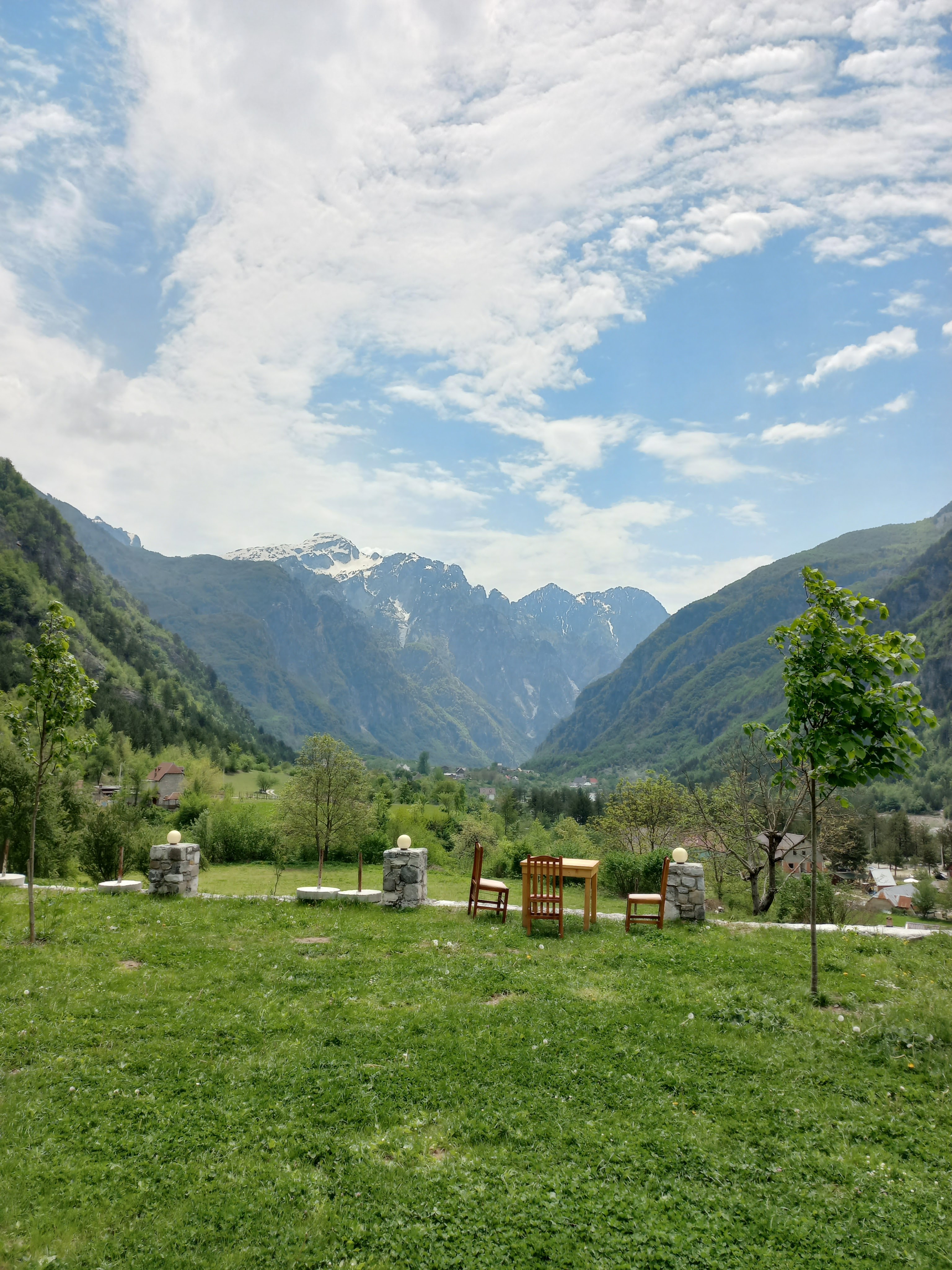
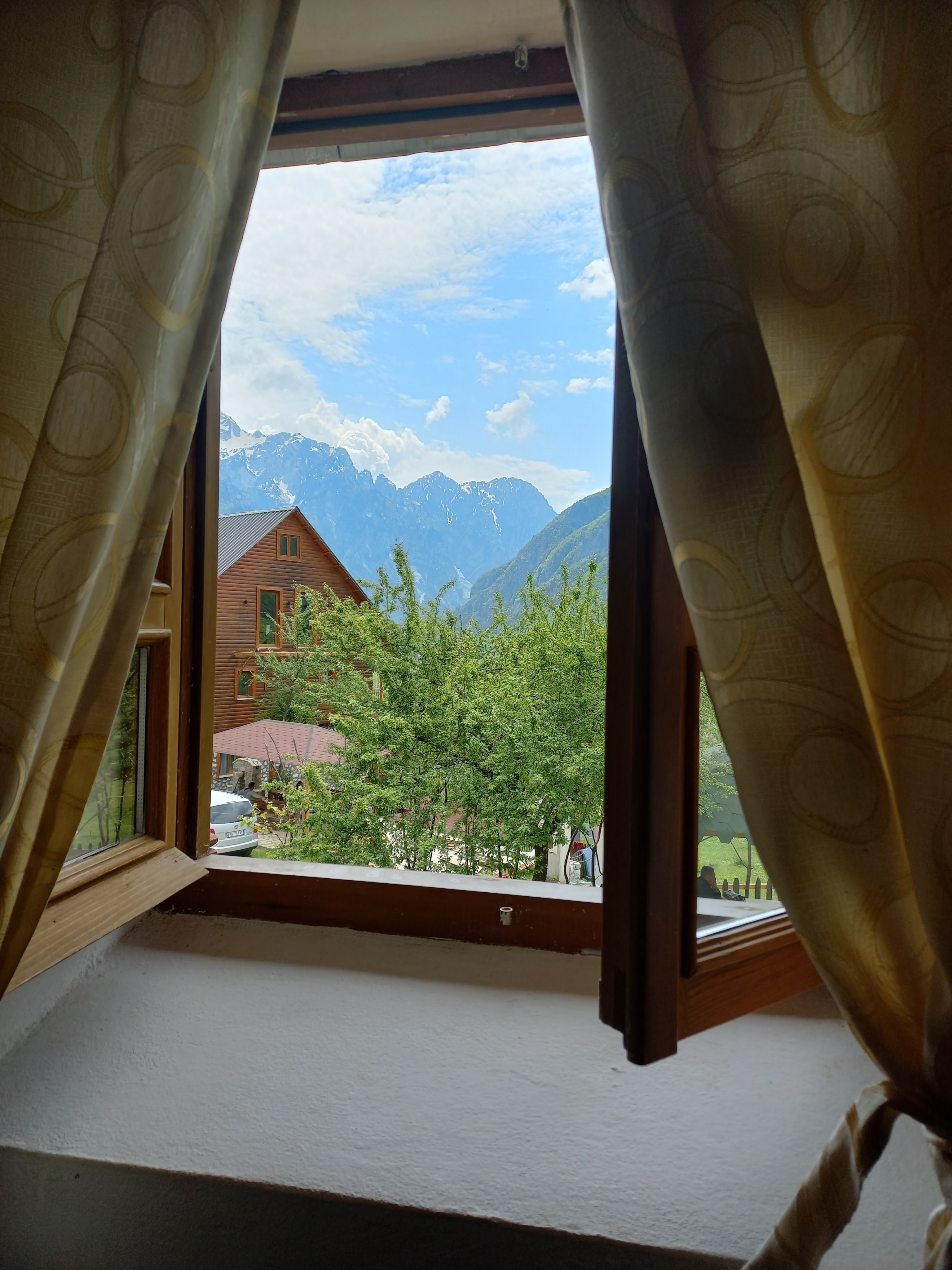
There are places in Albania that whisper gently to your soul —like Theth— telling us stories without saying anything. Hidden deep in the Albanian Alps, cradled by jagged peaks and ancient tales, Theth is not just a destination. It’s a feeling. A pause. A breath held a little longer.

After many years of life and work in Albania, we decided to go and visit the place in the northern highlands.

We wanted to visit the beautiful scenes of nature which we had heard so much about, having an inner desire to search for the lost time, old customs, old passionate Catholic tribes of the Northern Albania.
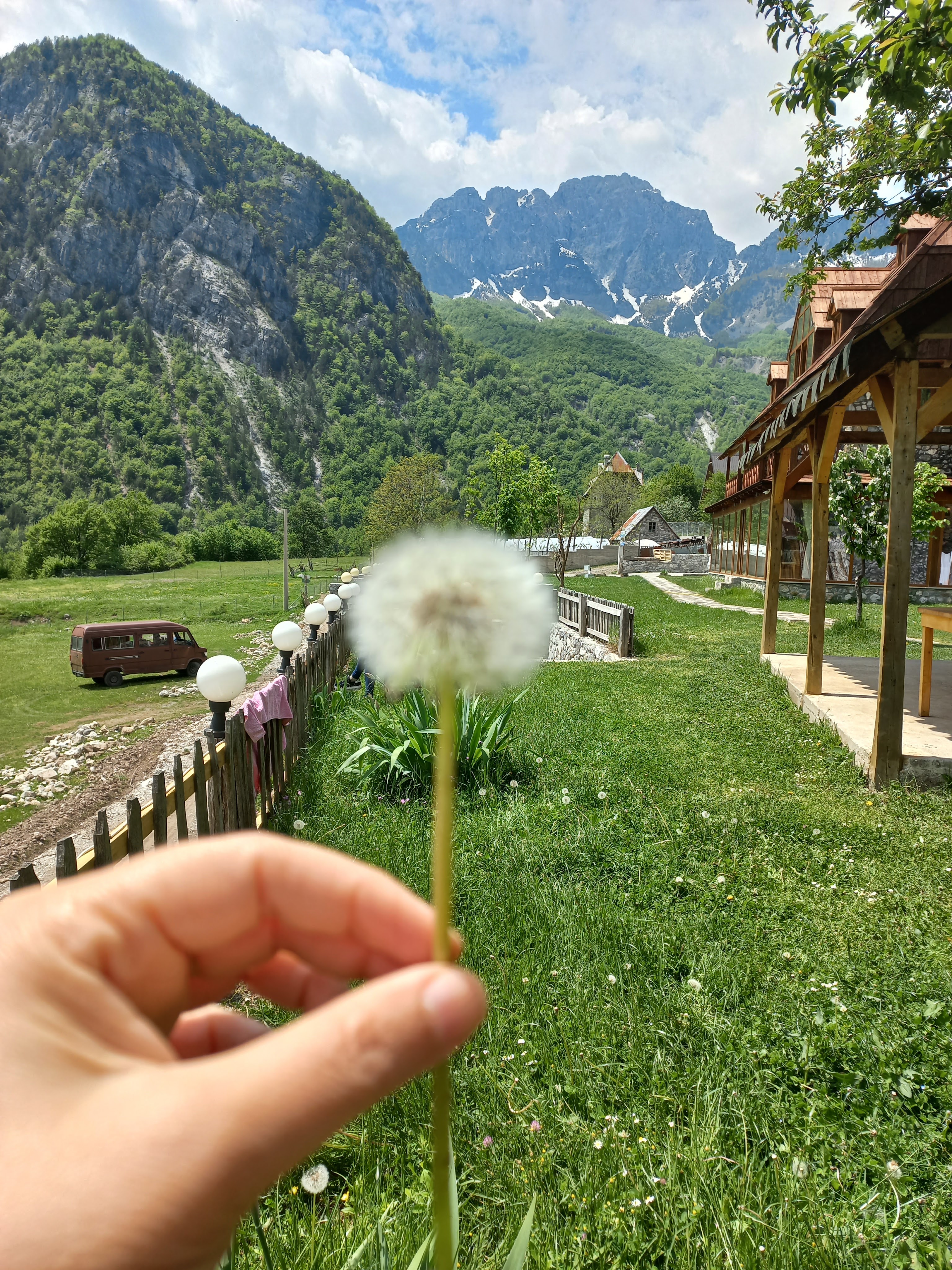
More than hundreds of years have passed and Theth, once a poor hamlet with two hundred households, has seen itself being emptied of their own people who would leave this isolated wild place, far at the edge of time and earth, for a better life or fleeing blood feuds. Most of them had left for America in the 1930’s to leave behind just a small number of co-villagers who remained forever imprisoned within the everlasting snowy high mountains and, after 1945, isolated by a fifty-year-cold- winter of the human soul, the Albanian communism.

The village and the area were never visited by any communist dignitary to be left to its own destiny. The last inhabitants left the village after the fall of the regime to go to Shkodra, the nearest big city.

Once a lost village visited only by rare travelers and explorers who would be hosted in the poor cottages and huts by villagers in the best fashion of Albanian hospitality with no profit purposes, Theth is today a place with commercial guesthouses appearing and spreading everywhere run by the natives only in spring and summer but not in winter when the place becomes completely cut off from the world.

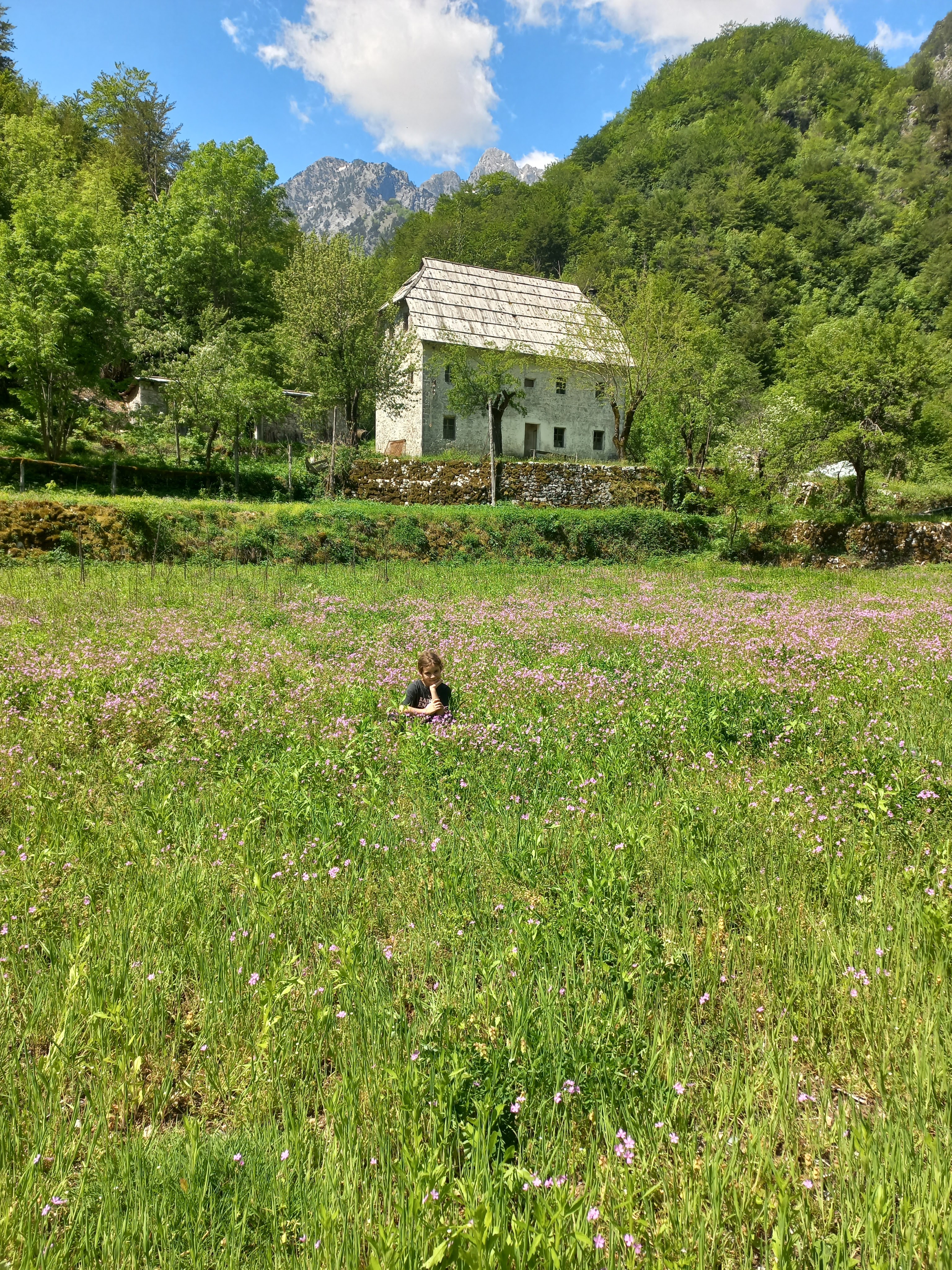
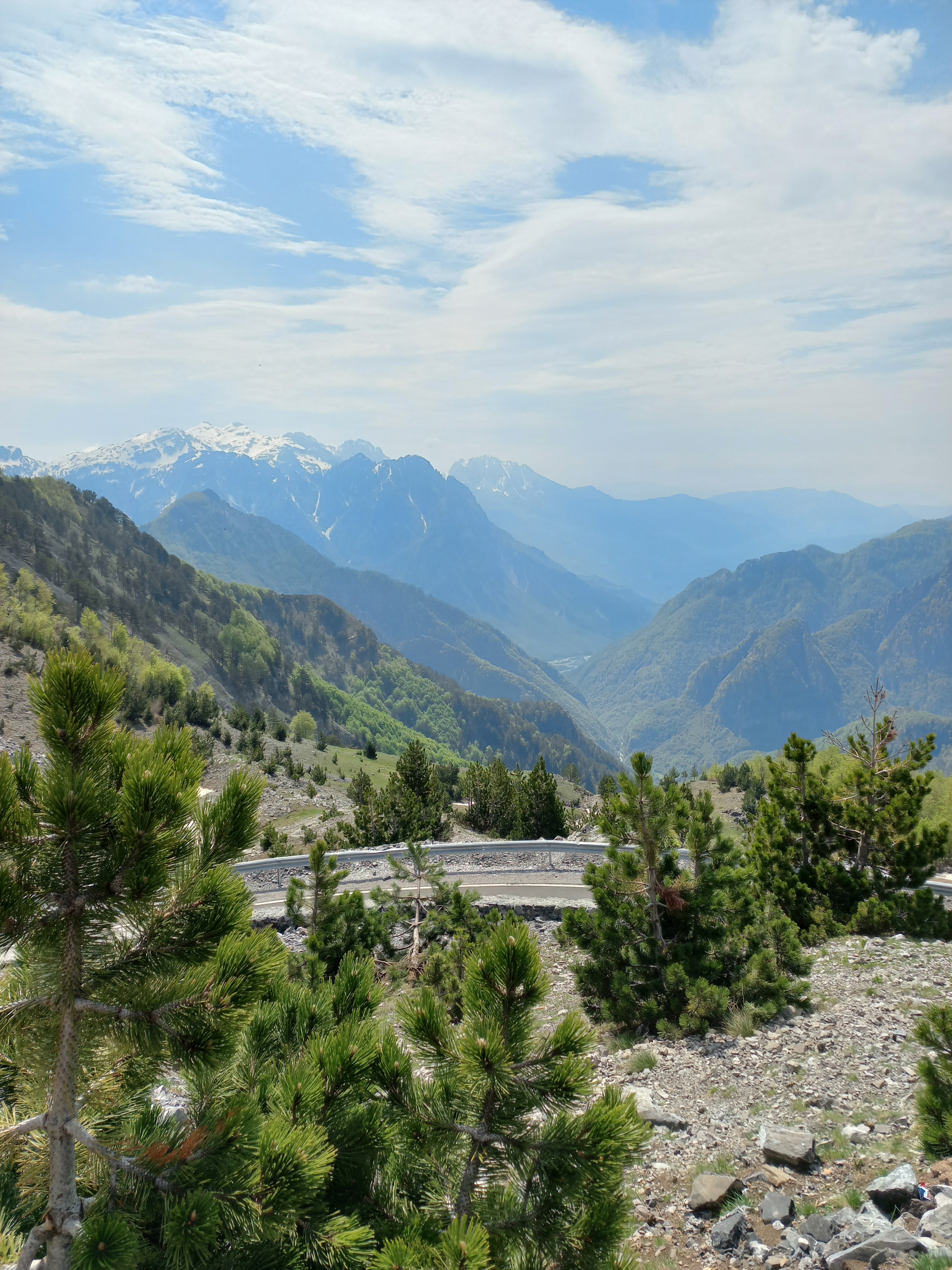
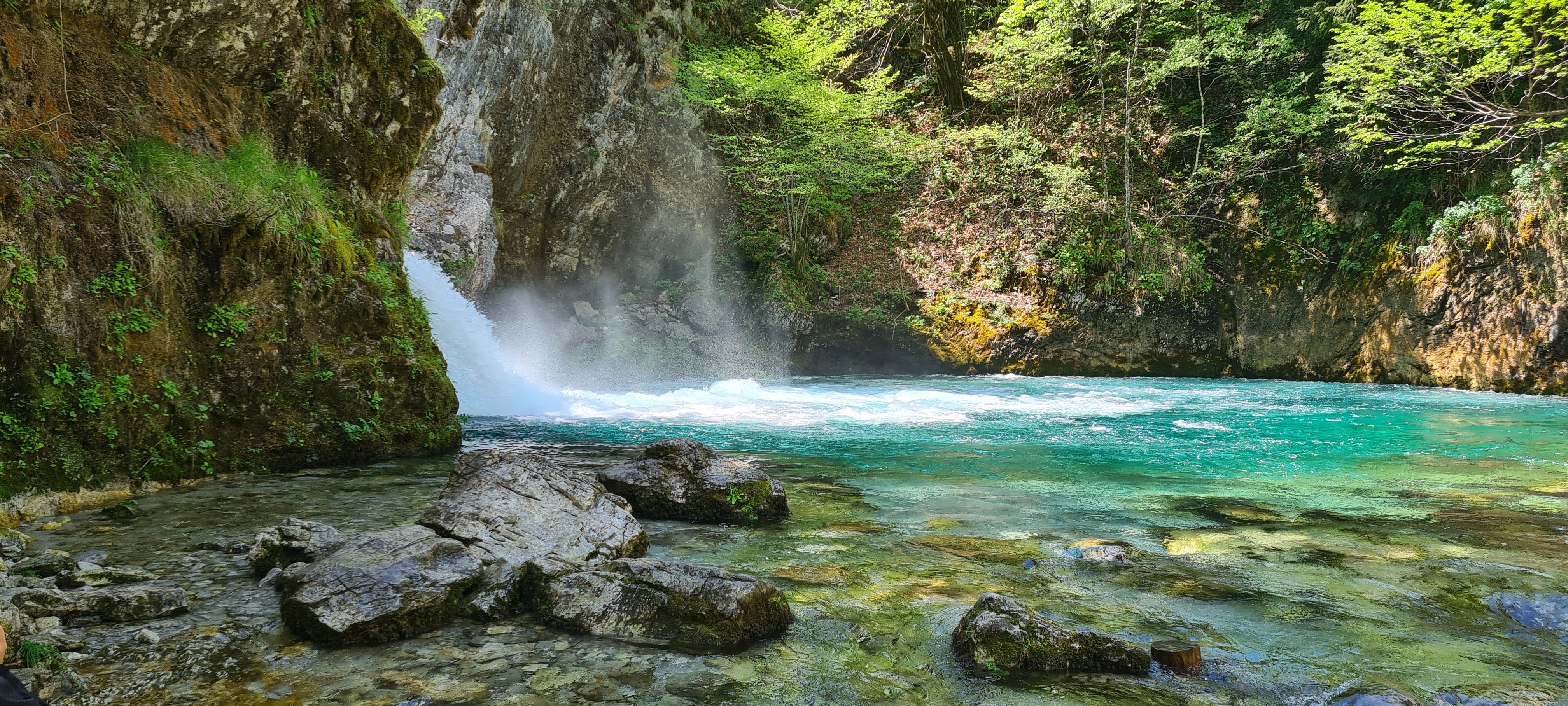
Imagination, emotions, and freedom would transport anyone; for this place offers all a reverie worthy of the romantic travelers of the XIX century: the everlasting-fairy-tale-high-mountains with snow that never melts even in summer; the unpredictable weather awaken your senses so that you love this place differently when it’s snowing, raining or when it’s sunny, all this within a day.
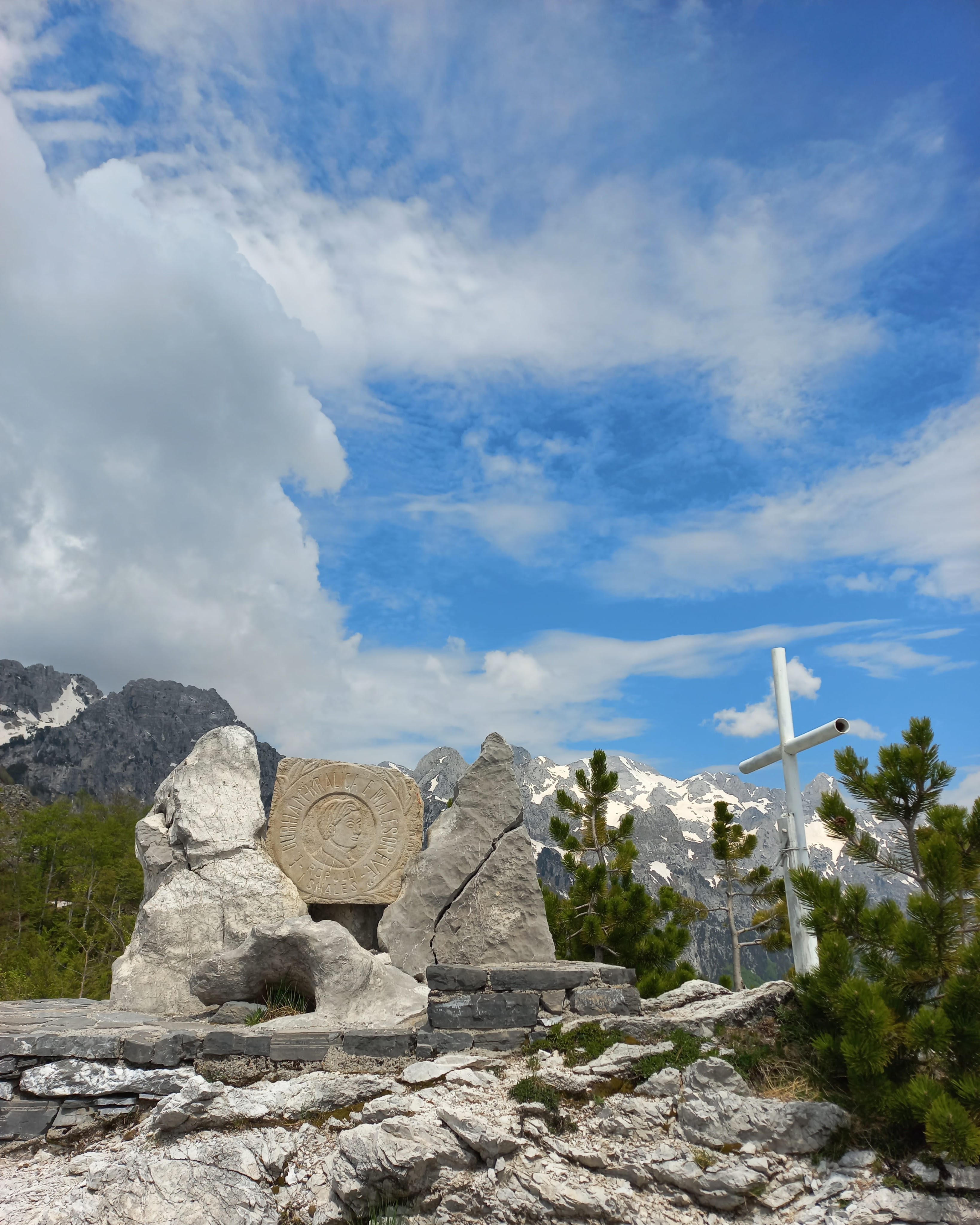
Many people have passed through the mountains of Theth, but few have left a mark as deep as Edith Durham. Over a hundred years ago, this Englishwoman came not with expectations, but with an open heart. Traveling by mule through some of the most isolated corners of Albania, she listened, learned, and stood beside the people of the north when few outsiders even knew they existed.

She was more than a visitor. She became a voice for the highlanders, writing about their bravery, hospitality, and struggles during turbulent times. Her respect for their way of life was real—so real, in fact, that the people came to call her “Mbretëresha e Maleve” – the Queen of the Mountains.

Today, a small monument stands quietly by the road to Theth in her memory. It’s a simple reminder that sometimes, the ones who understand us best come from far away—but leave a part of their souls behind.
Theth and its alps offers a grammar of senses and there is no other way out than to submit yourself to them: the feeling of isolation claims you, a strong communion with the nature plunges you pleasantly into your thoughts; the mountains with sharp peaks like a gothic cathedral stands in front of you immovable and you turn and turn and spin around wishing to see everything.

There is such poetics that you will once again love yourself or bless the world or love your mother that gave life to you. Or love God. I don’t know! Sad and pensive travelers suffering of the world might have their melancholy exalted to the point of thinking of shortening their lives! Come and see it yourself! You will perhaps hear the first call of your Muse and become a writer in this place of inspiration; even better.
So come to Theth not just for the views or the hikes. Come for the silence. Come for the stories carved into stone. Come to walk the mountains, listen to their stories and breath.


Qeparo, a beautiful lonely village in the South of Albania

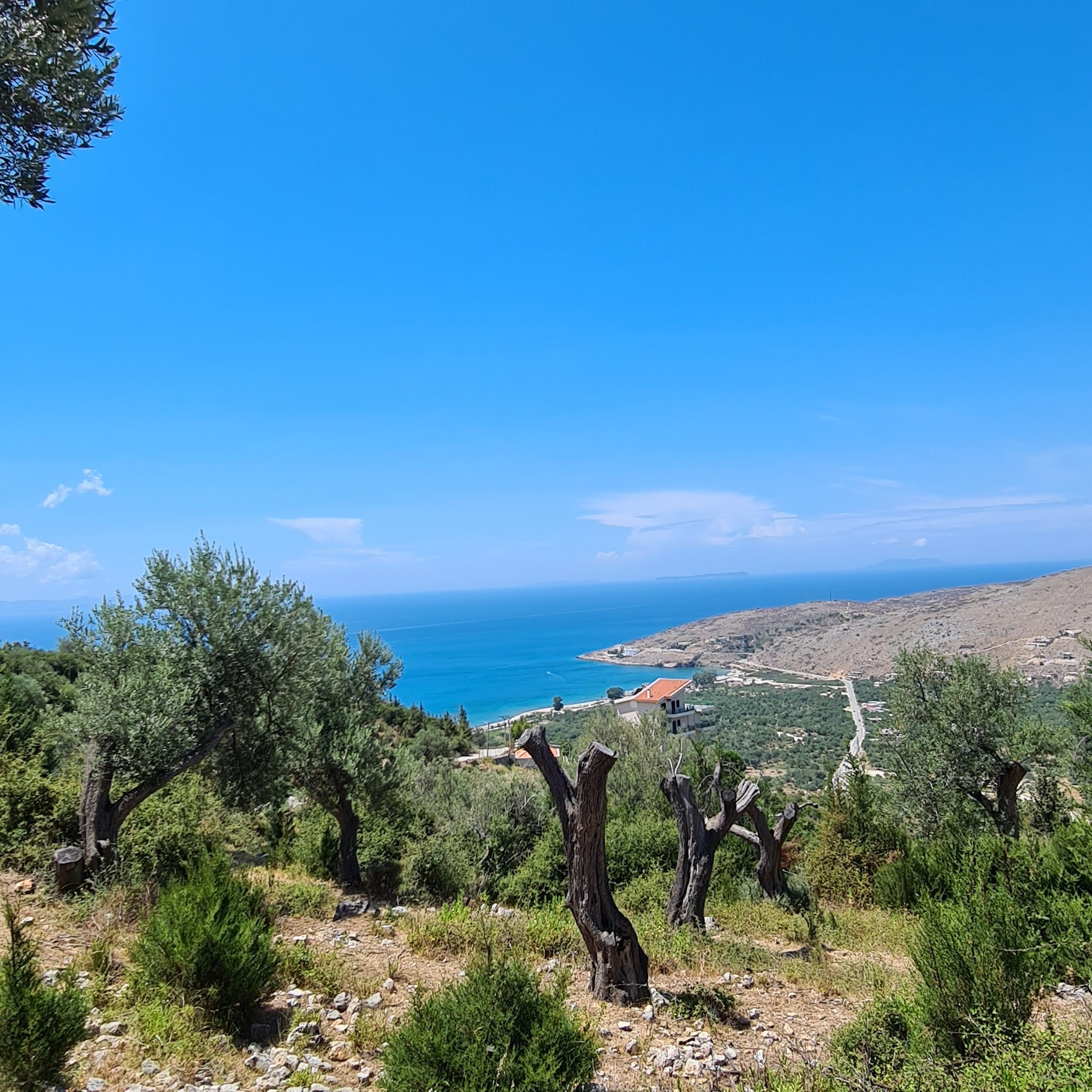
This year, we again decided to venture to the south of Albania to pick up where we left off last year. It’s July 17th 2021. Rains and precipitations are causing floods in Germany, but the blazing sun, the breeze, the deep blue Ionian see, the cypresses, the hillsides full of olive groves, the cicadas were still there. South Albania was waiting for us proudly and faithfully, being there for ever and ever. The beautiful villages of Dhermi and Vuno were still there and happy to see new faces this summer.

This time, we decided to go deeper to the South to discover new places, new people, new fates, to hear new stories. The idea of not being far from Greece filled us with joy; for the famous island of Corfu could be seen on the other side of the sea. We ended up in the village of Qeparo. We arrived late in the evening and booked an accommodation for one night at “Blue View Apartments”, located in the new part of the village close to the sea.

As expected, the Albanian hospitality was there. We had the impression it grew even more. Was it because the year has been a long, an extremely long year and the country seemed so joyful to receive impatiently new travelers and visitors after the pandemic ?! Or is it just about a hospitality that is inseparable of the Albanians?! Probably both.

Thimolea, the kind host, thin and suntanned as all the Mediterraneans welcomed and showed us the places where to swim. The way to one of the beaches was with plenty of path stairs.

He invited us for a coffee and told us about his story. Like all the other people of the region, he left the country after the collapse of the infamous old regime to go to Greece and work as construction truck driver. In the nineties, when the Albanians were searching for a living, the villages of the Greek coasts and islands were being built and covered in concrete.

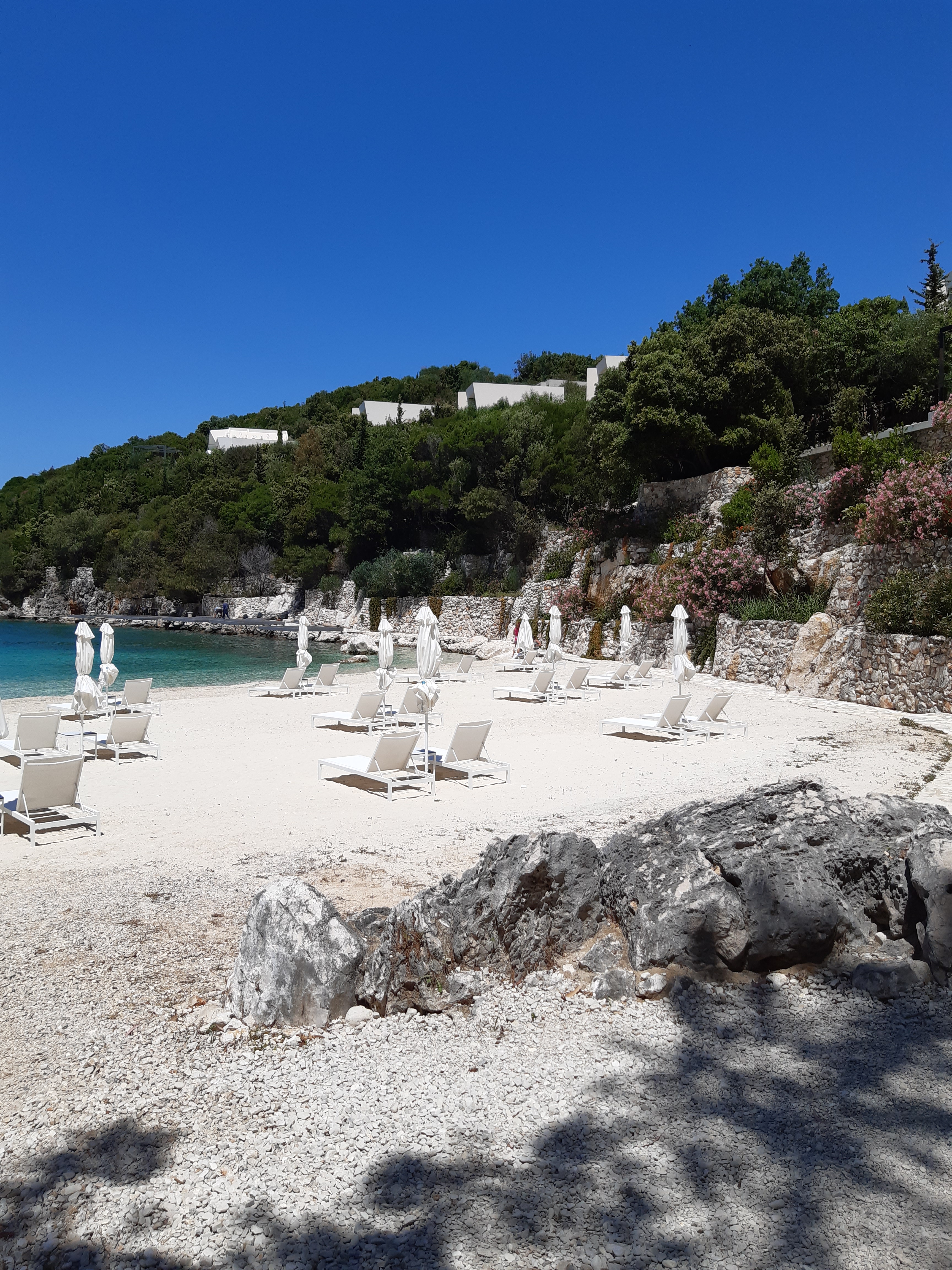
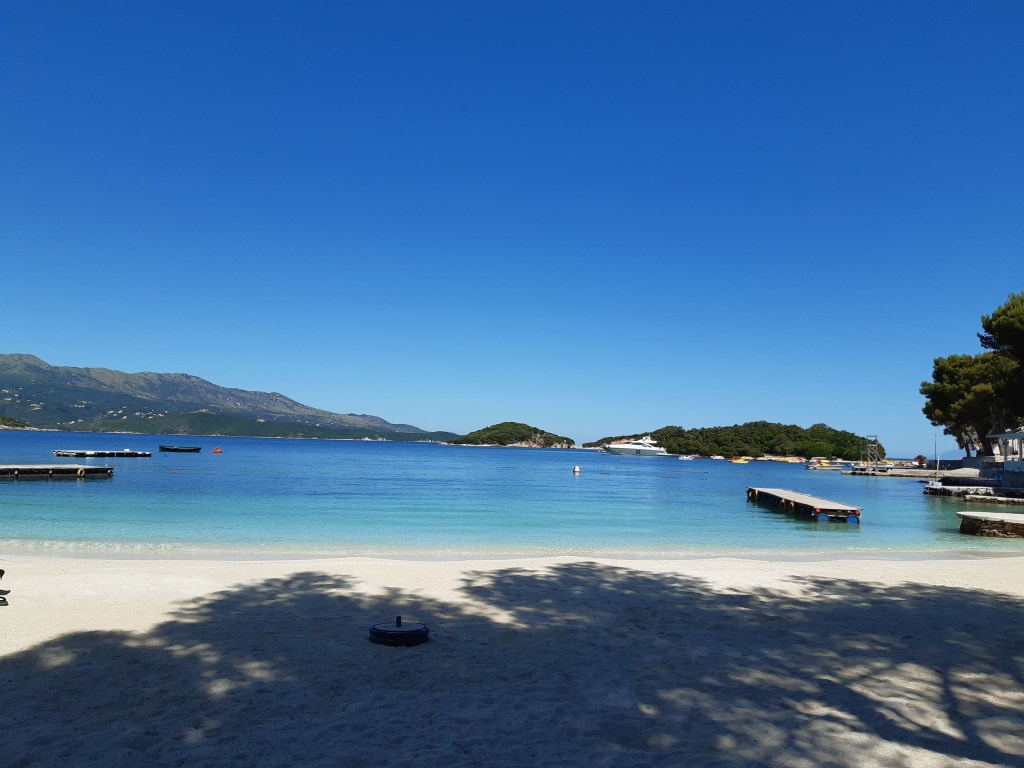
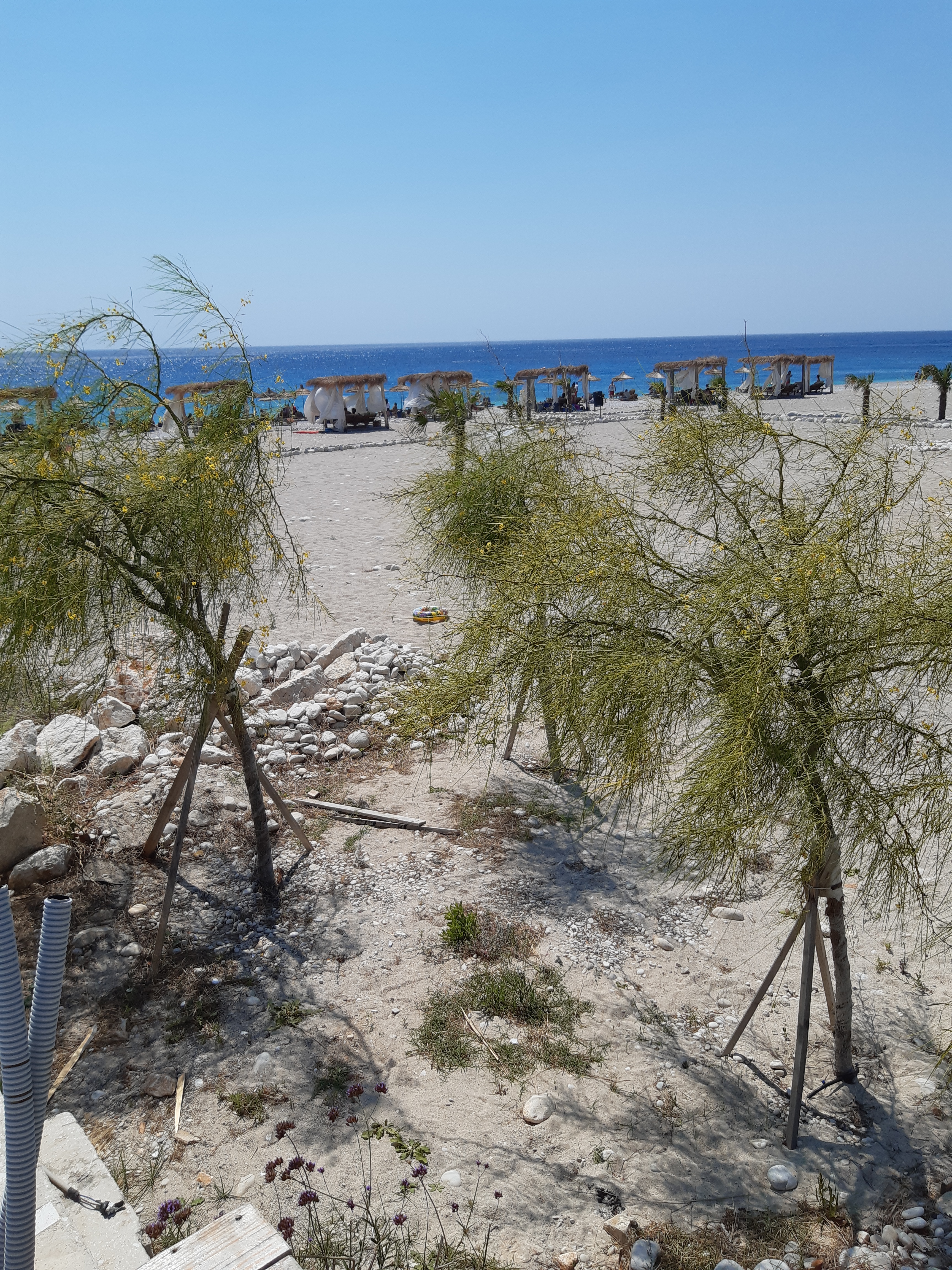
A beach next to the Sea View Apartments

Thimolea left his children in Greece and came back to his native village to stay for ever. “Here, there will always be someone to bring me a flower on the tomb”, he told us.

Next morning we headed towards the old village of Qeparo.

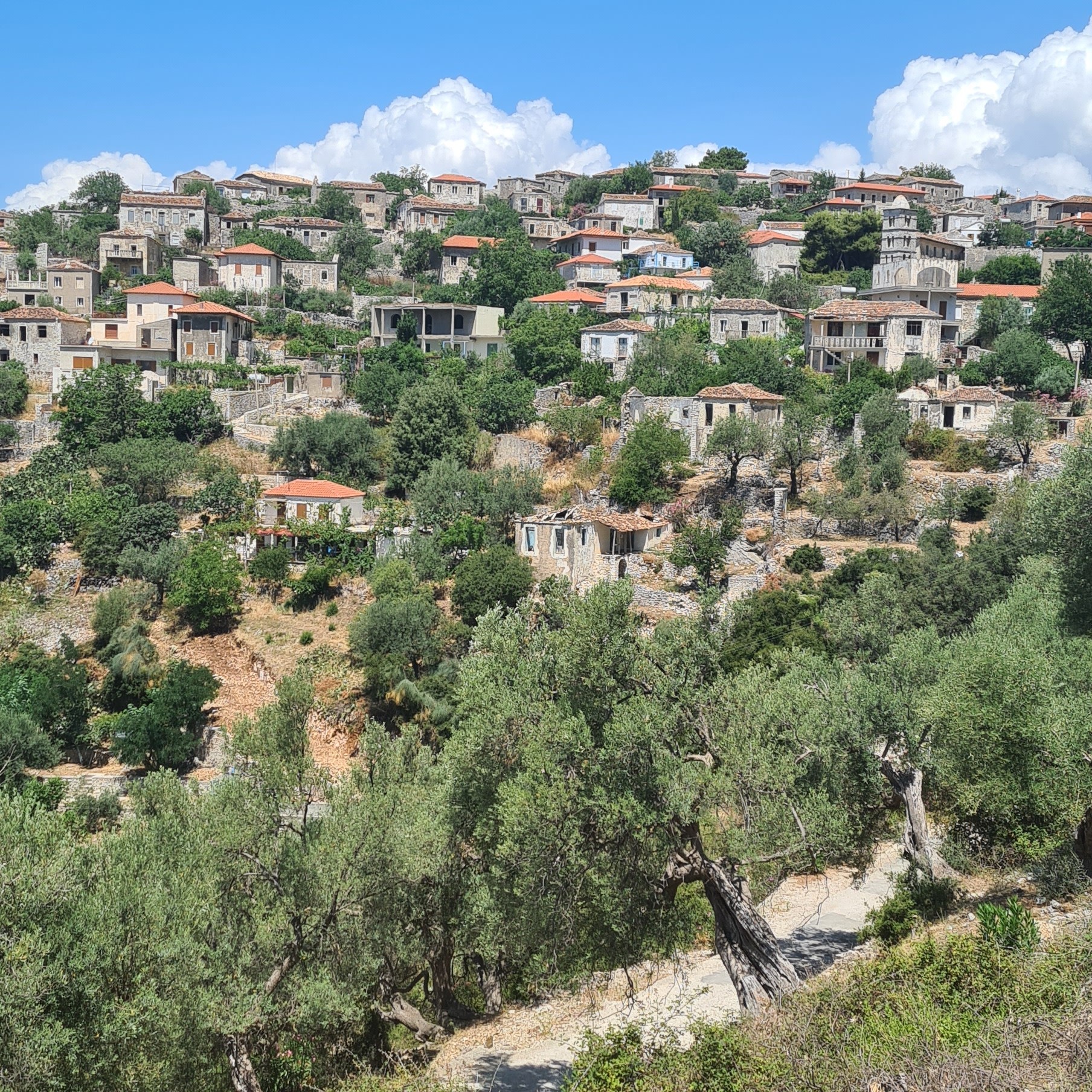
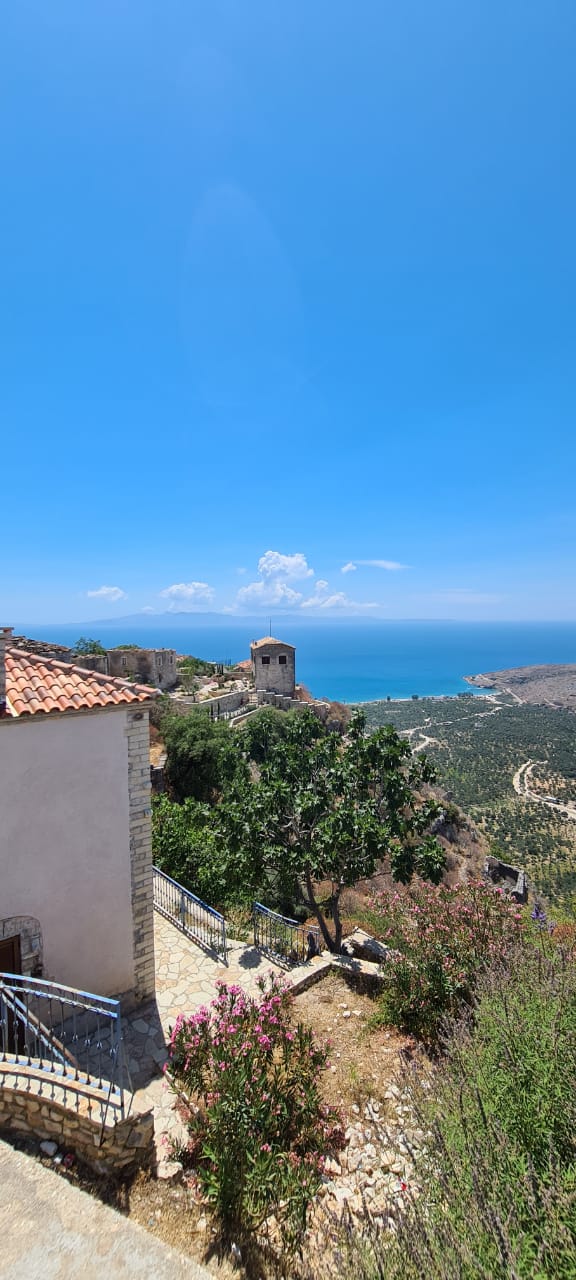
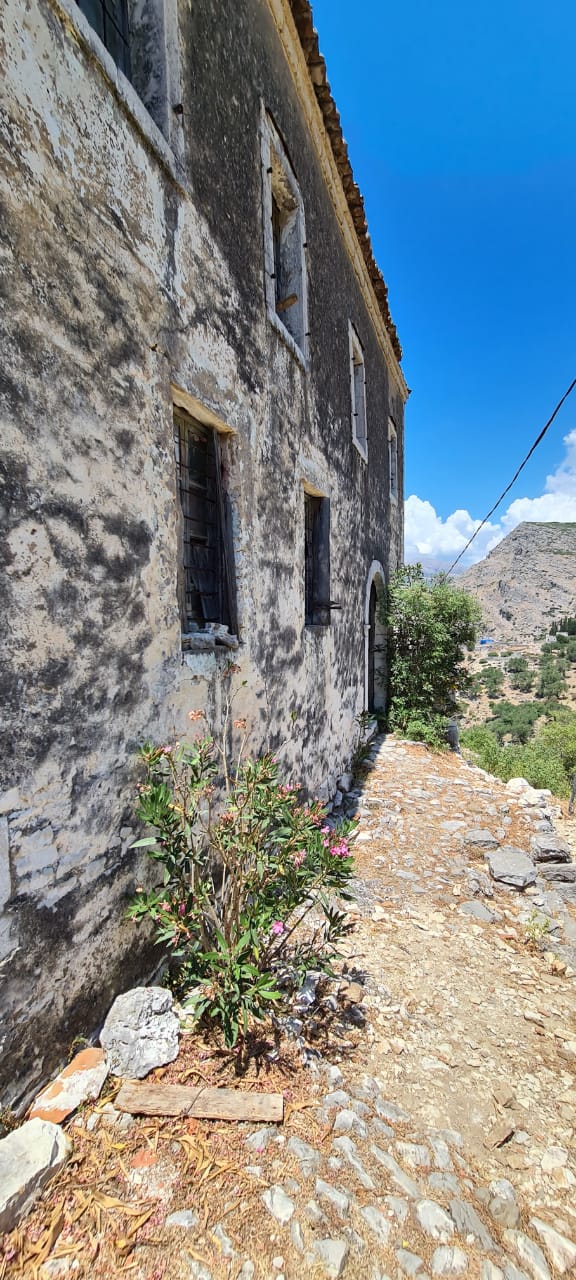
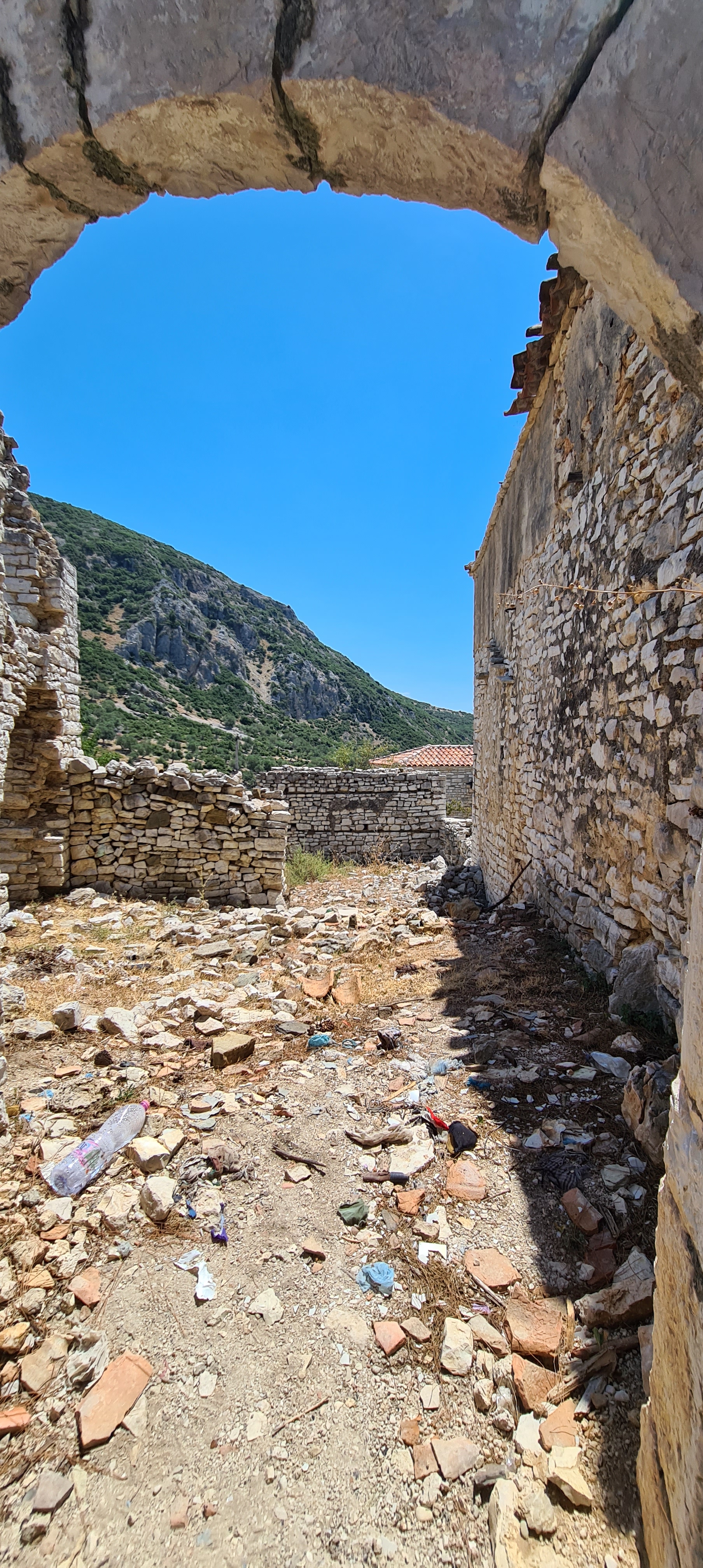
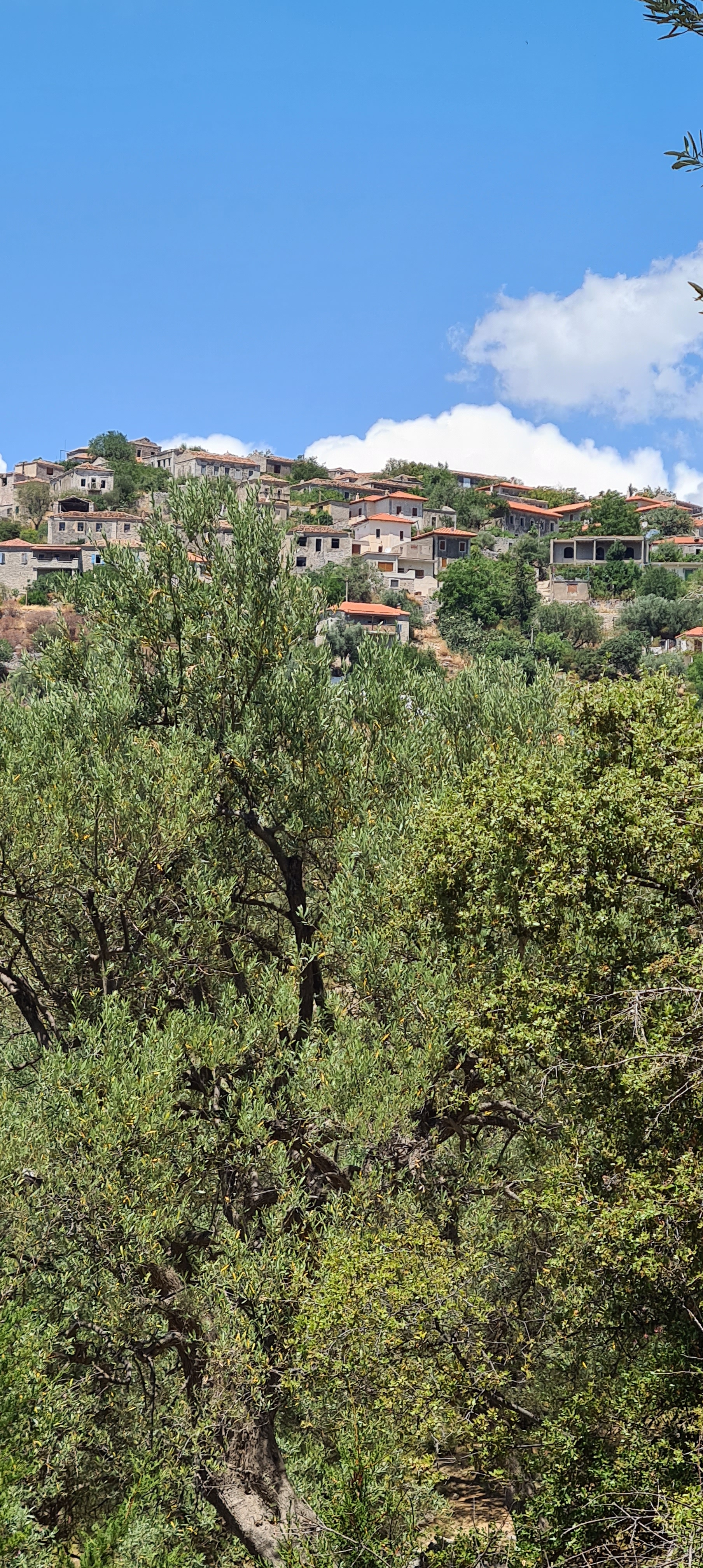
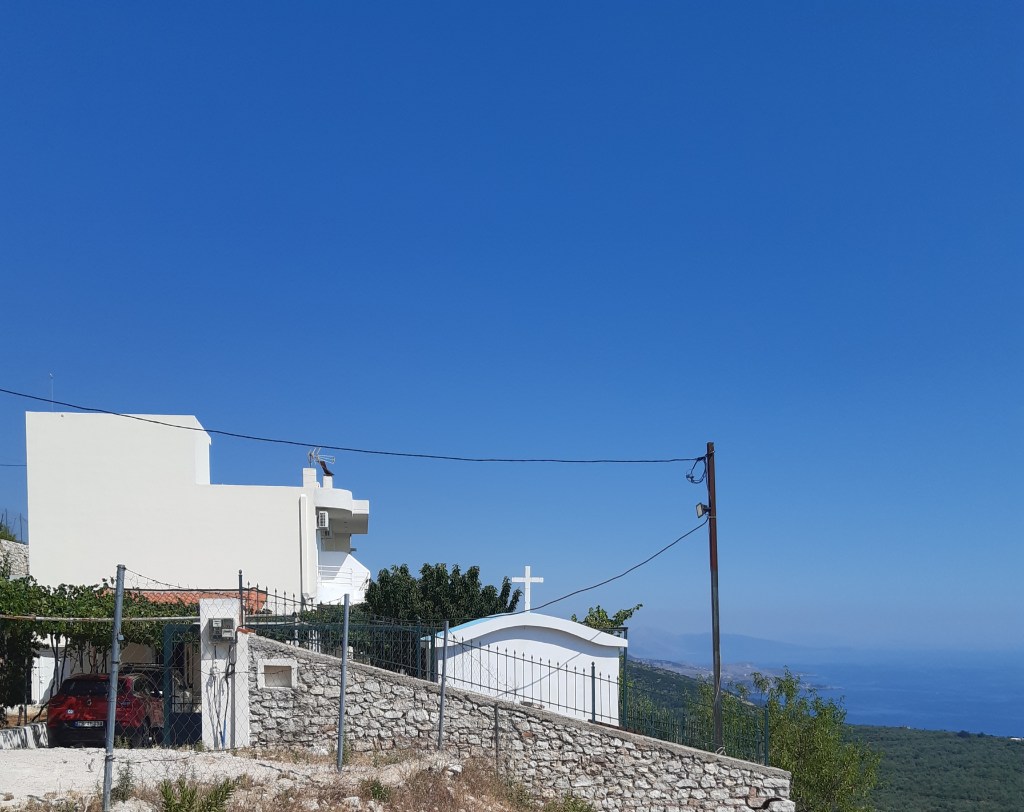
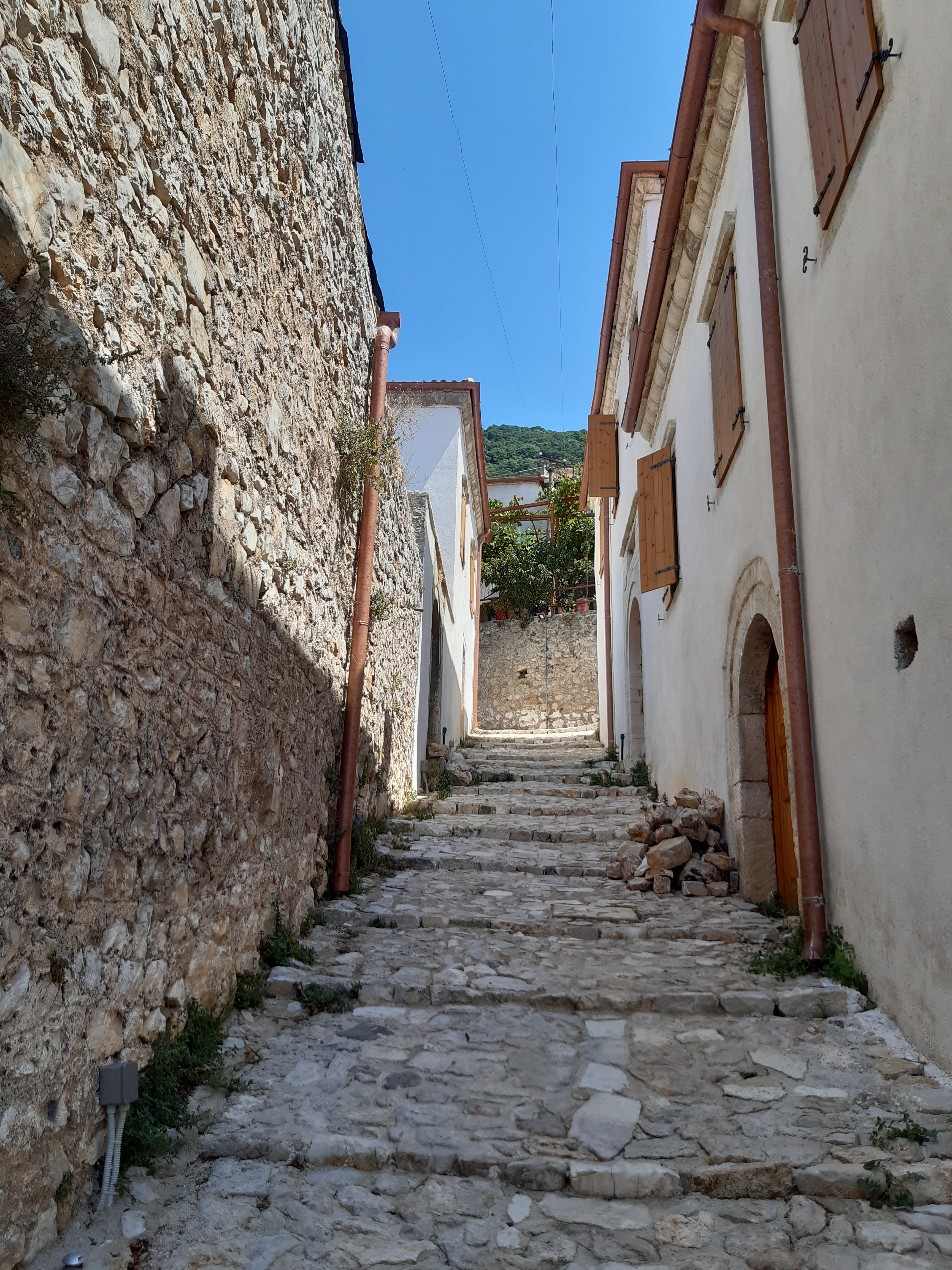
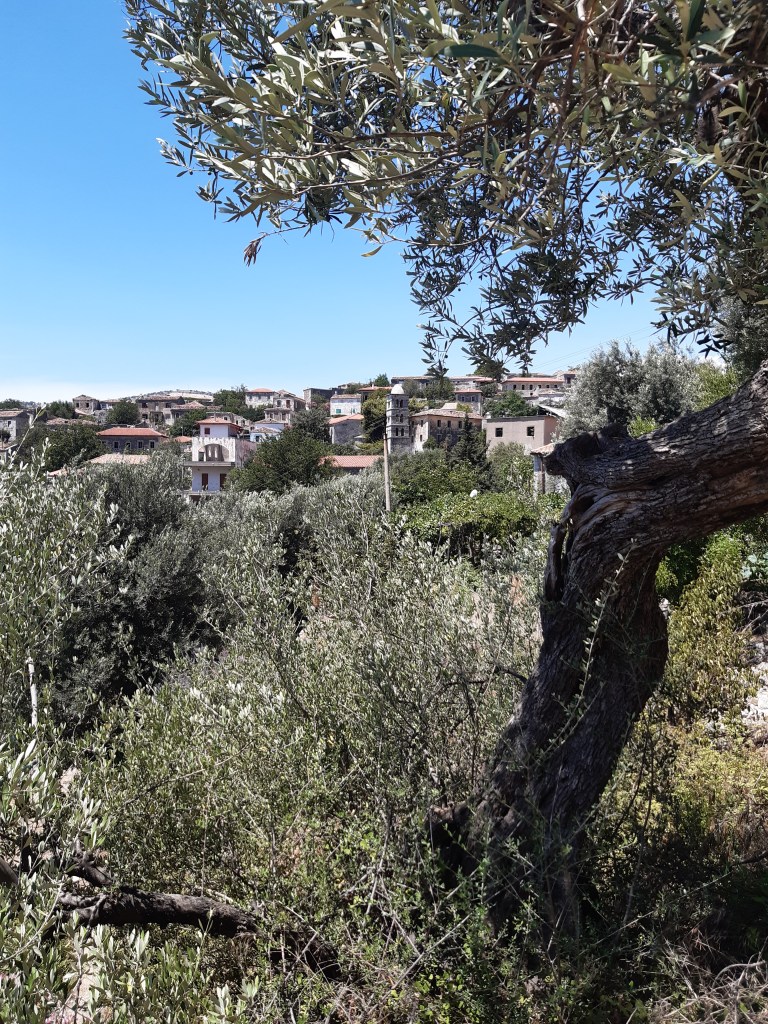
The old village of Qeparo took our breath away. It was another part of the village. The road uphill was in poor condition but we finally climbed it on board of our car. The old stone houses up in the hill amongst olive trees overlooking the blue Ionian sea reminded us very much of other Mediterranean villages. But this village was a phantom village; it was almost uninhabited; barely a human soul could be seen high noon, the paths of cobblestones destroyed, a small grocery shop restored somewhere in the middle of the village by a couple of Albanians newly arrived from Greece. (Again Greece!). One old lady in black with a white scarf would come out of a path as a sudden living revenant; several meters away, another lady with an elegant straw hat just appeared in front of us in the middle of dog barking in the courtyard of a derelict church black bell tower but with no church; few children riding a bike in the middle of the destroyed path of stones, a very old tree in the middle of the village next to a ramshackle restaurant. It was a desolate place, with bleak and sad emptiness, yet beautiful and surreal. We started dreaming about moving into this village, picking up our favorite house, owning our own olive trees and enjoying the quietness of the village and the stillness of the summer days. At least this is what three French and one English did. We were told that they bought several dilapidated houses and gave them a new soul but to no avail for the village. There were still lots of ruinous houses, falling to pieces whose owners had died or dispersed around the world. Facts and phantasy mixed in our minds. All suddenly, the children grabbed my husband and me to wake us from our deep daydreaming. The sun dizzied us, the place transported us… This is Albania, my love Albania.

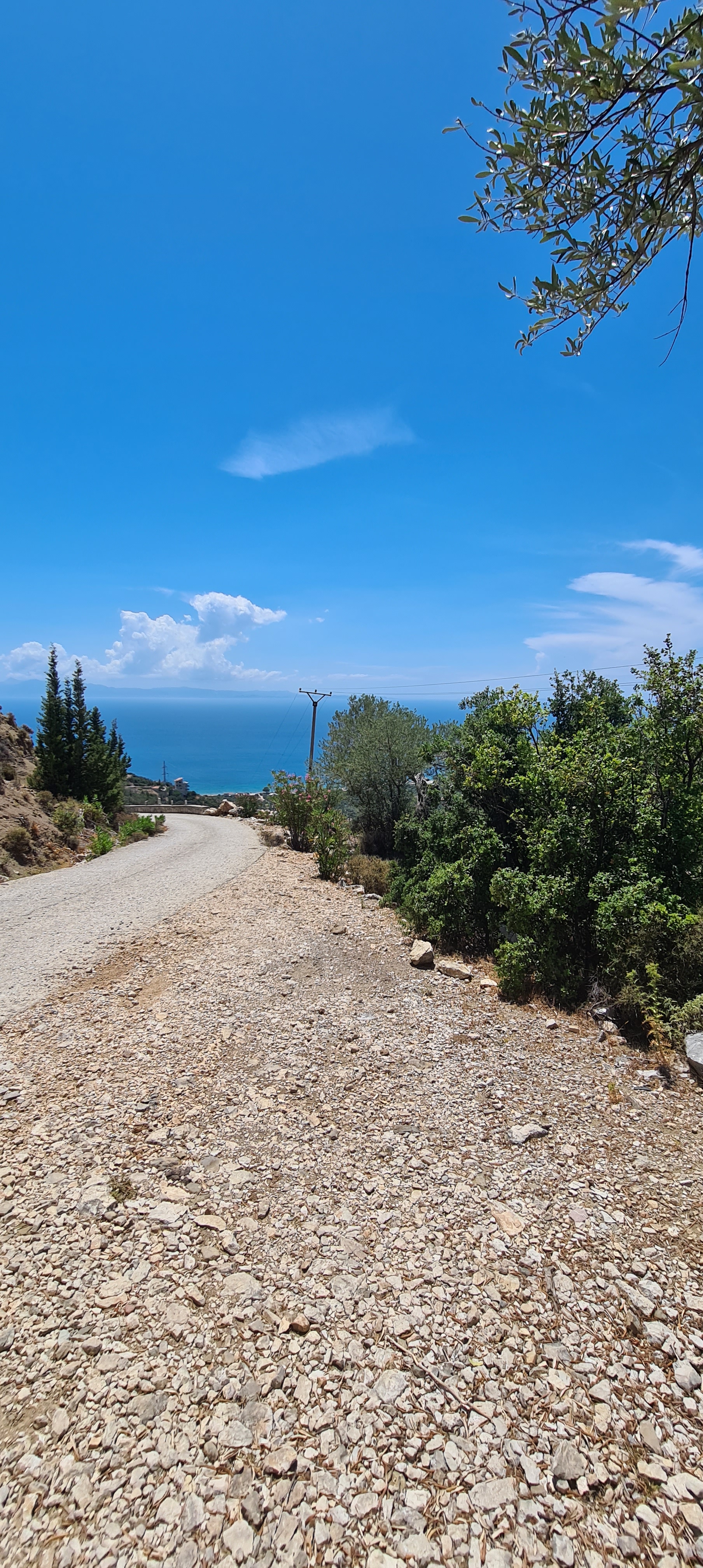
We finished the visit and turned back downhill the slope. Our children wanted so much to go down to the beach. Probably, it was just an excuse to leave the village. We stopped once again our car in the serpentine road to have a last look as if we separated forever. The solitary village was still up there on the top hill with its slopeside location, with the houses appearing to cascade down as the hair of a beautiful creature carved in mountain. We looked each other for the last time. I set the car in motion and turned my head for the last time with a long glimpse. I don’t know whether it was a farewell or a “see you again”.

Favorite beaches in Albania

Many friends and acquaintances have asked me about the beaches of Albania. Which beaches are worth visiting in Albania? How to get there? Is it safe? etc. The albanian coast is really beautiful and it has two kinds of beaches: sandy beaches, those along the Adriatic sea, and the rocky beaches along the Ionian sea in the southern part of Albania. The locals prefer very much the southern seaside especially the beaches of Vlora, Saranda and Ksamil. I have visited some of them and these are some of our favorite beaches in Albania.

Kep Merli, Ksamil

Kep Merli is a private residential resort in Ksamil with a small beautiful beach. Quite and very intimate. The visitors need a prior booking to visit the beach. The view is very beautiful facing the greek island Corfu.

Palasa beach

Palasa beach is egzotic. The colour of the sea is blue and turquoise from the white little stones of the beach. The high greyish mountains of Llogara give a very exotic and authentic look to Palasa. Next to the beach is a luxury resort with vilas and appartments that are availabile for rent.

Dhermiu beaches

Dhermiu village boasts some of the most famous beaches in Albania such as: the beach of Gjipe, Jaliksari, Pirate, Canyion of Gjipe, etc.

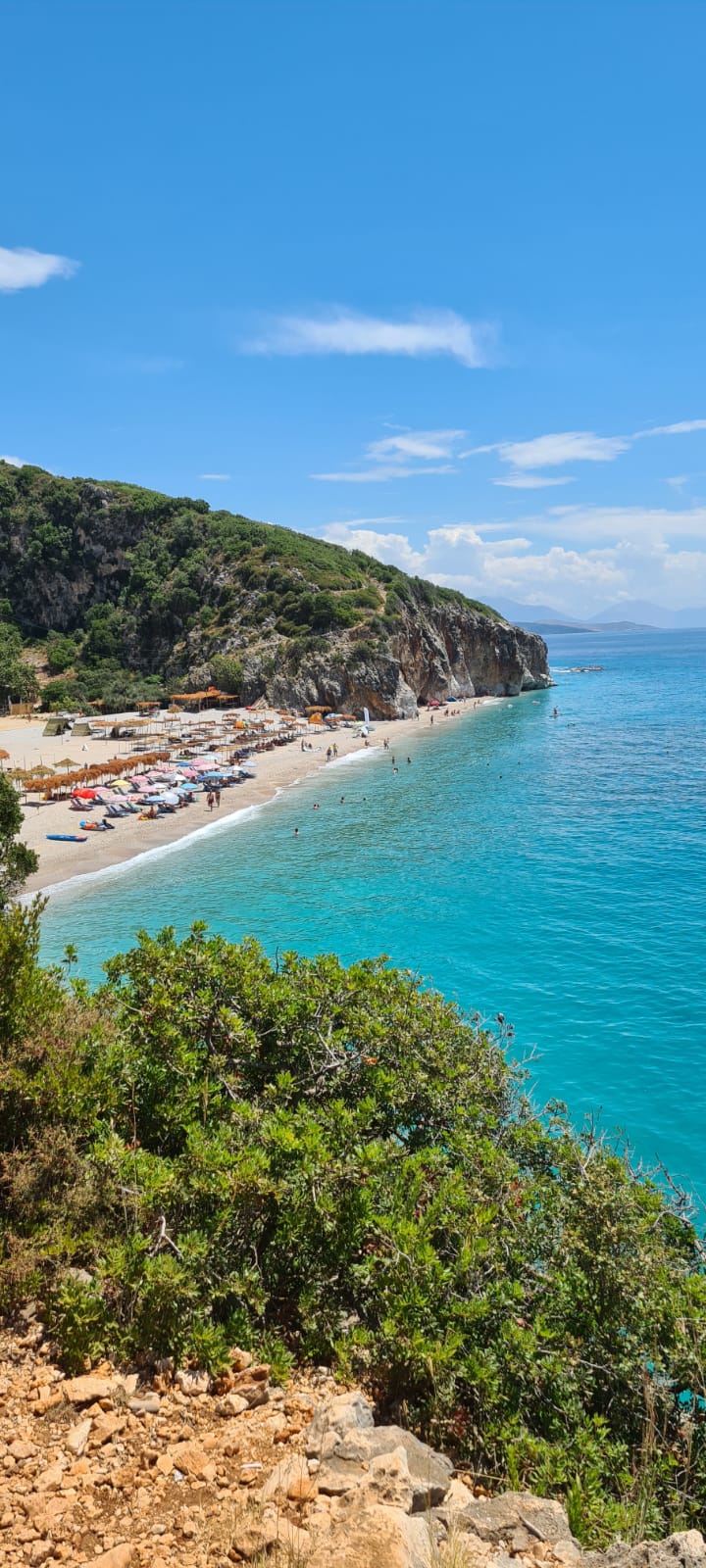
The beach of Gjipe in Dhermiu is natural, authentic and beautiful. The walking distance from the parking to the beach is about 30 minutes. Cars can not drive through that road because it is mountain rocky way. So in case you are not a good walker than you can use the boat transport from Dhermiu. Many visitors use the beach for camping. Gjipe is a perfect place to take memorable instagram photos.

The photo below is of the beach next to the restaurant called Pirate’s restaurant in Dhermiu. It is a nice beach too.

Beaches of Qeparo

Qeparo is a charming village in the county of Himara. The village is dispersed in two parts, the upper part called Old Qeparo and the lower part by the sea. In Qeparo are few beaches, some more private and some are next to the restaurants and hotels. They are really lovely.

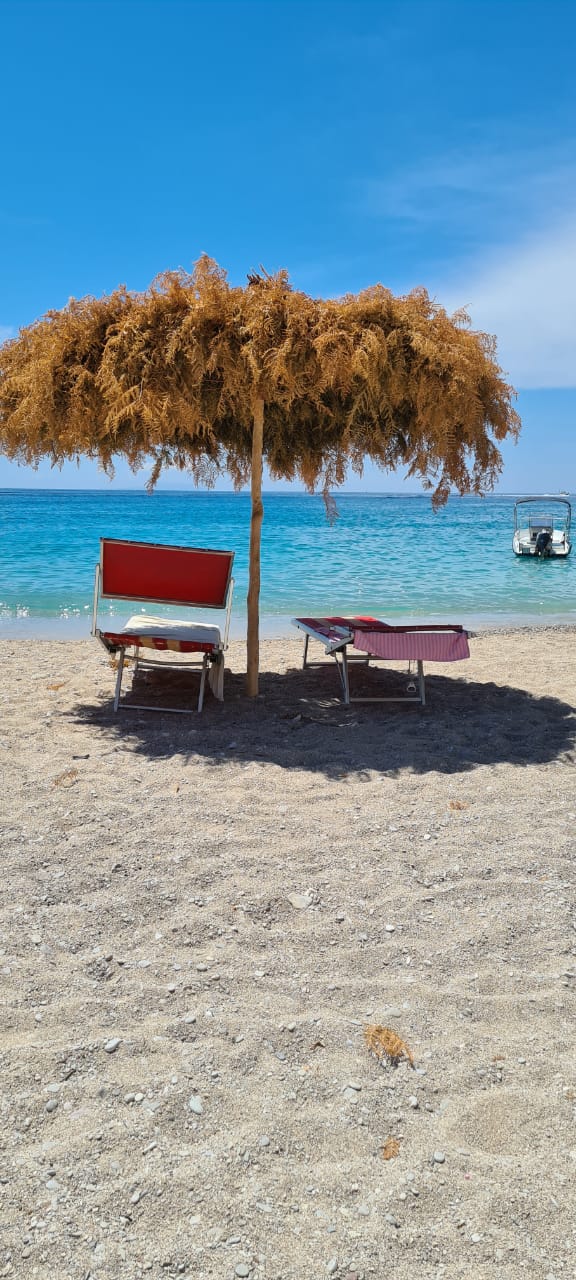
A beach next to the Blue Sea Apartments in Qeparo

Bora bora beach, Ksamil

Bora bora beach is just one of the many beautiful beaches in Ksamil. In front of the beach are two small islands, which may be visited by a boat. Usually in July, Bora Bora is very crowded but if you visit in June and end of August, it is very nice and quite.

Beaches at the Cape of Rodoni

Cape of Rodoni is only one hour drive from Tirana. It is an authentic and historical site. There are three famous beach resorts there, Rera e bardhe beach resort, Arbeni beach resort and the beach next to the medivial church of st. Anthony. Arbeni resort has a very nice place next to the beach but the music from the bar is very loud. In general, the Cape of Rodoni is a beautiful destination for the summer especially because it so close to Tirana.

Vuno, the idyllic village of Albania

I fell in love with Vuno a month ago during our family trip to the south of Albania. A small village up in the rocky arid mountains with its beautiful white houses facing the deep blue Ionian sea. Charming, authentic, desolate, enchanting.

I was invited again by the village. I returned last Saturday, July 11th 2020, ready to experience the village, know its secrets, walk its streets and meet the people.

The first local from Vuno that we met was Filip, the owner of the Villa Filip, where we booked our room. His house offered a splendid view on the sea and was a few kilometers from the village.

Villa Filip, Vuno

We spent the afternoon amid chirping of cicadas. Their music lulled us. We could not resist their songs. We were watching the sea from the Villa’s terrace. An invitation to laziness. I liked it.

Filip prepared us a simple dinner. At the same time, he would tell about his time when he left Albania to go to Greece for a living, with his young children on the shoulders. The old regime was falling apart. He decided to come back thirty years later and construct with his wife the house he called a villa, a simple building where he offers bed and breakfast and a beautiful hospitality without fuss and glitter.
The little chapel in his yard intrigued us. My children entered and rushed to the candles to lighten them in the middle of the wooden icons. I was observing the momentum. A small demi arched window offered the blue of the sea which in combination with the whiteness of the small church’s interior reminded us Greece. For indeed Vuno has a flavour of Greece. It is not far from it and the island of Corfu can be seen from the village.

On Sunday morning, we went to the centre of the village. A small coffee place in the middle of the village aside the main road that leads you to the south of Albania invites you necessarily and you can’t resist. The tourists were already there mixing with old people of Vuno who were drinking “raki”, the Albanian fruit flavored alcoholic drink, early in the morning.

The centre of Vuno

The coffee place offered a view on the slope of the hill where white houses were standing out from the greenery. It was idyllic. We felt extremely happy. It was peaceful.

The waiter and owner of the coffee bar was suggesting us to see a church in the vicinity telling us proudly that the prime minister’s mother was from the village. He invited us inside the coffee bar handing us the key of the church. I had never had a church key before! I was puzzled!

We headed towards the church of Saint Mary. I had its key in my hand. I felt baffled but also like a child about to open a treasury. I was moved to open a church built in 1783 turned into a cinema during communism. The iconostasis displayed in front of us. My children would rush again to the candles playing with some coins left aside as charity. We were alone in the church serving guides to ourselves. I turned the key back to the owner. It happened in Albania, beautiful and exotic Albania.

It was time to go for a swim. We left the village and discovered some beaches nearby. The beach of Jale, Gjipe, Dhermi, Palasa are the most visited and are said to be some of the best beaches of Albania. But they are not the only ones in the area. There are many that are off the main roads and one needs to get off the beaten track to reach them.

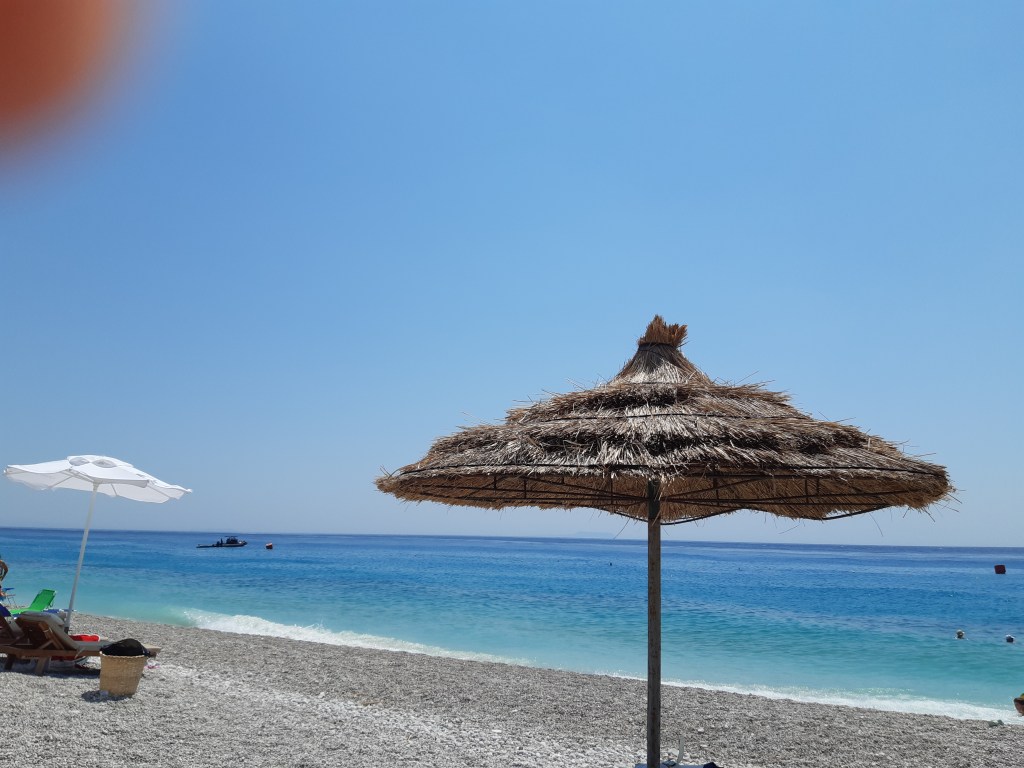
Beach in Palasa near the Green Coast Resort

We finished the day on the beach of Palasa swimming in its crystal blue-green water with white stones. The sharp mountain was behind us. We knew that we had to climb the narrow serpentine road again for a 4-hour trip back to Tirana knowing that those mountains and sea would be there forever for new invitations.

One day in Durres, the ancient city of Albania

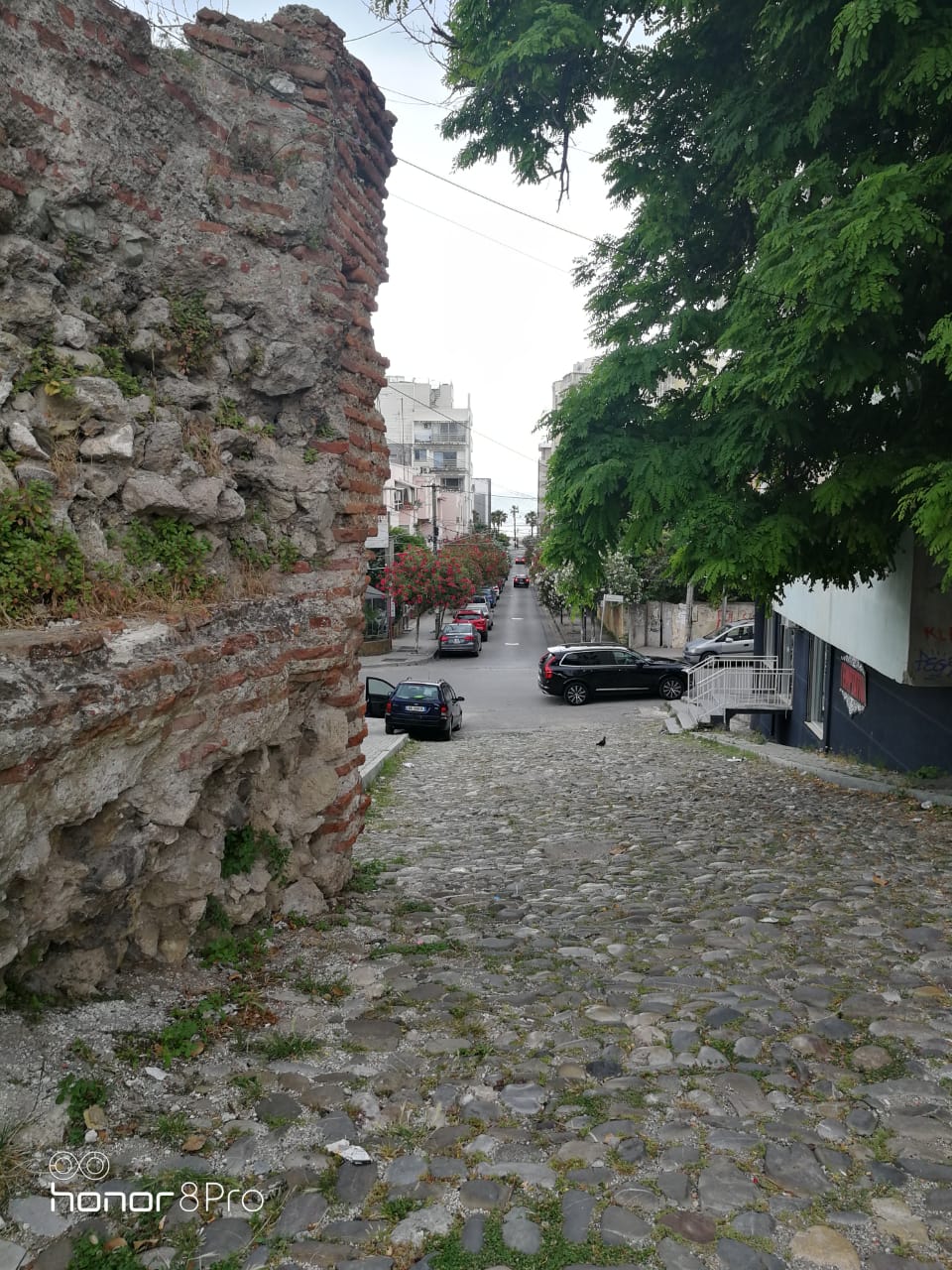
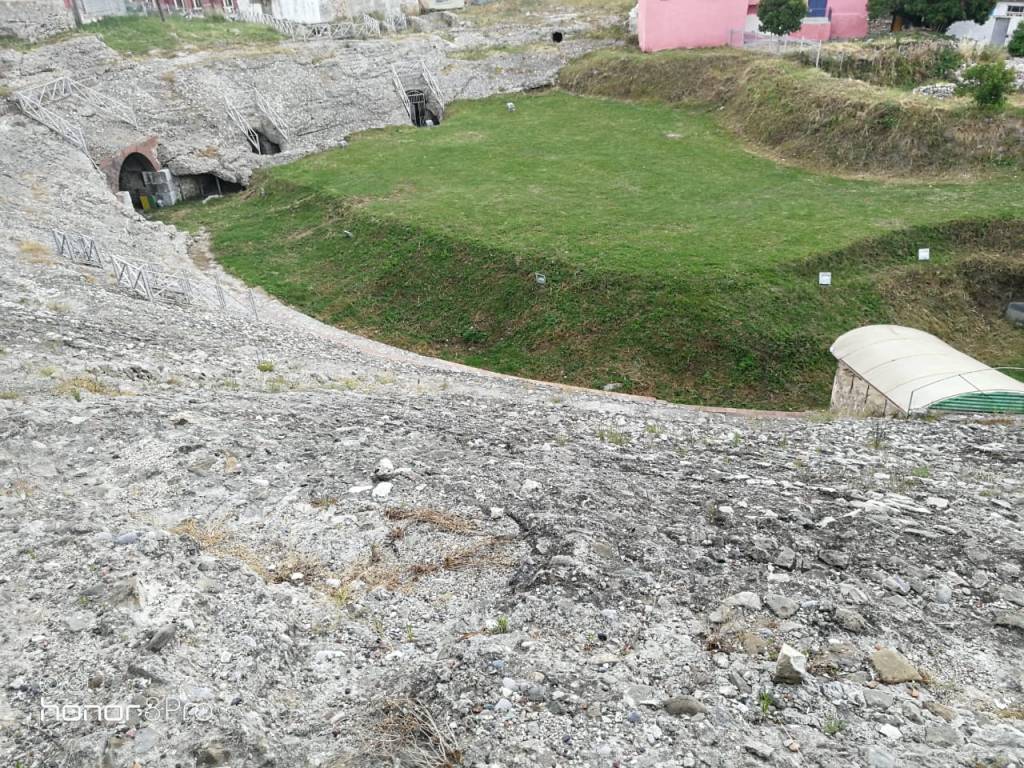
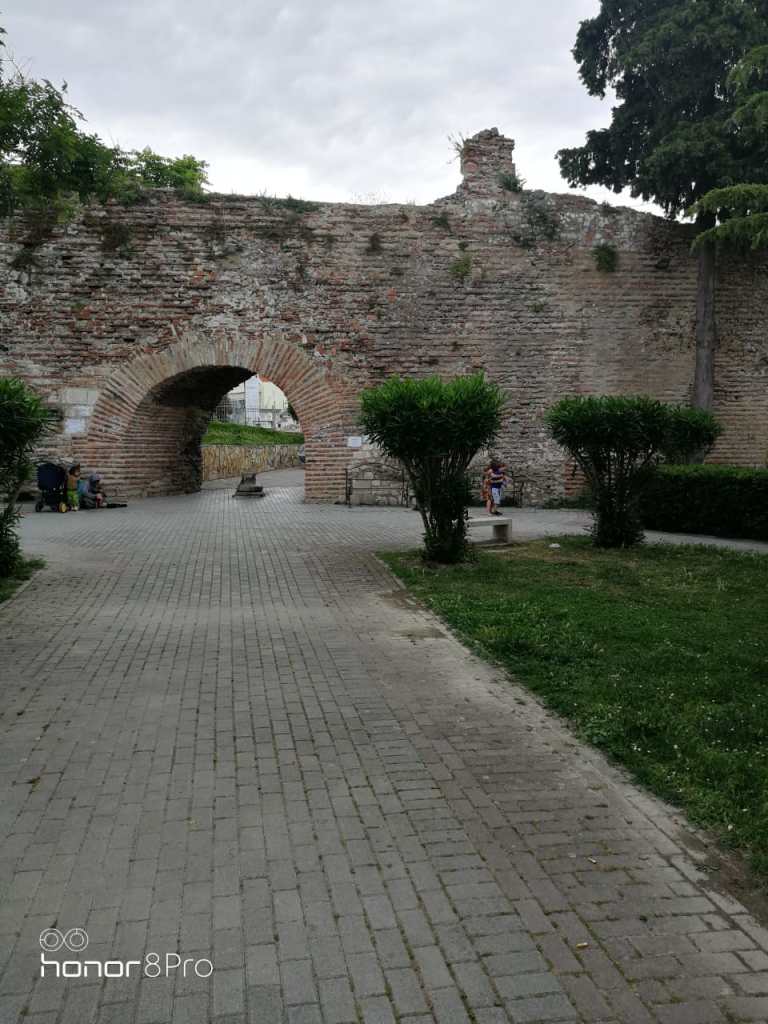
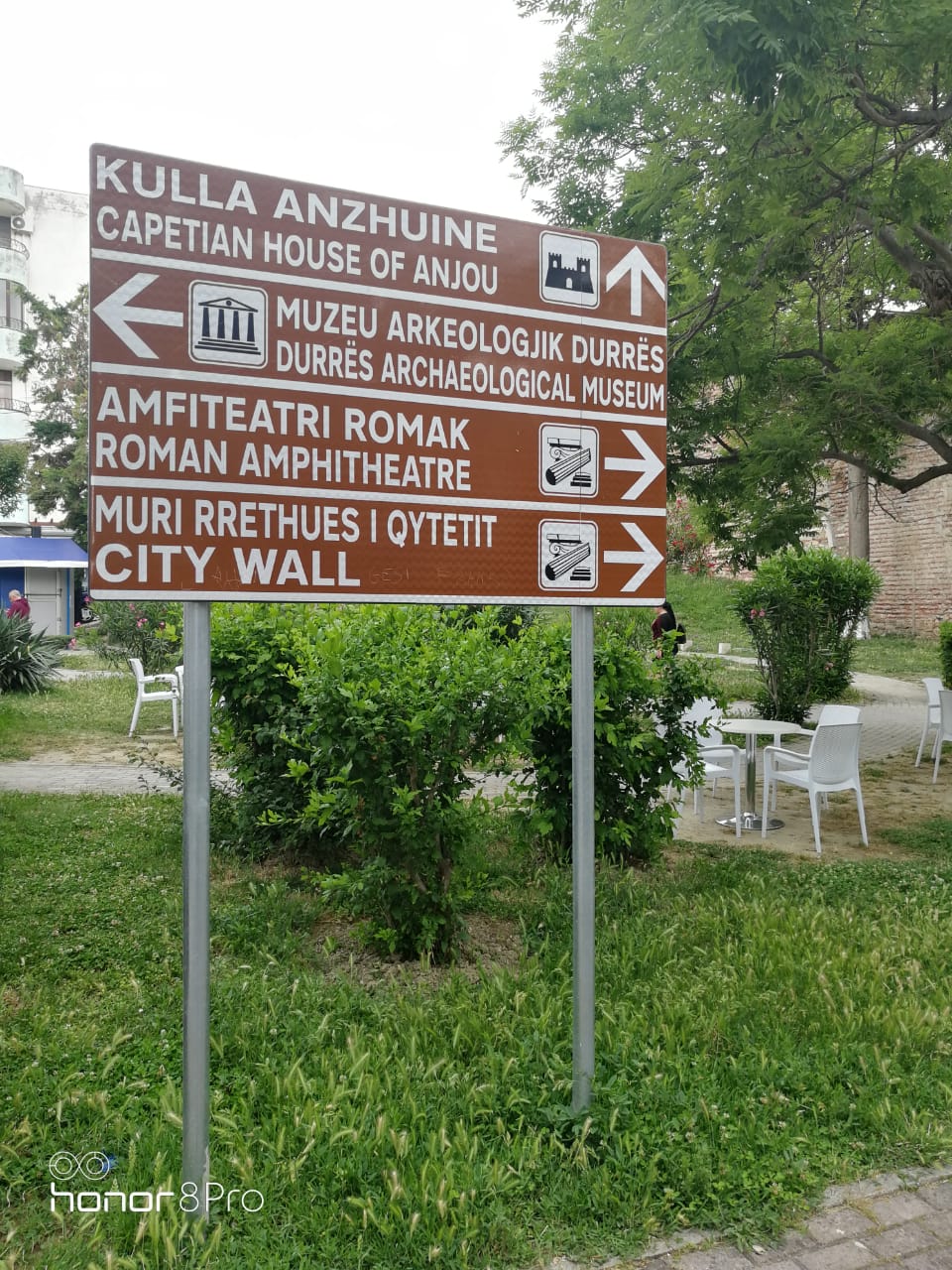
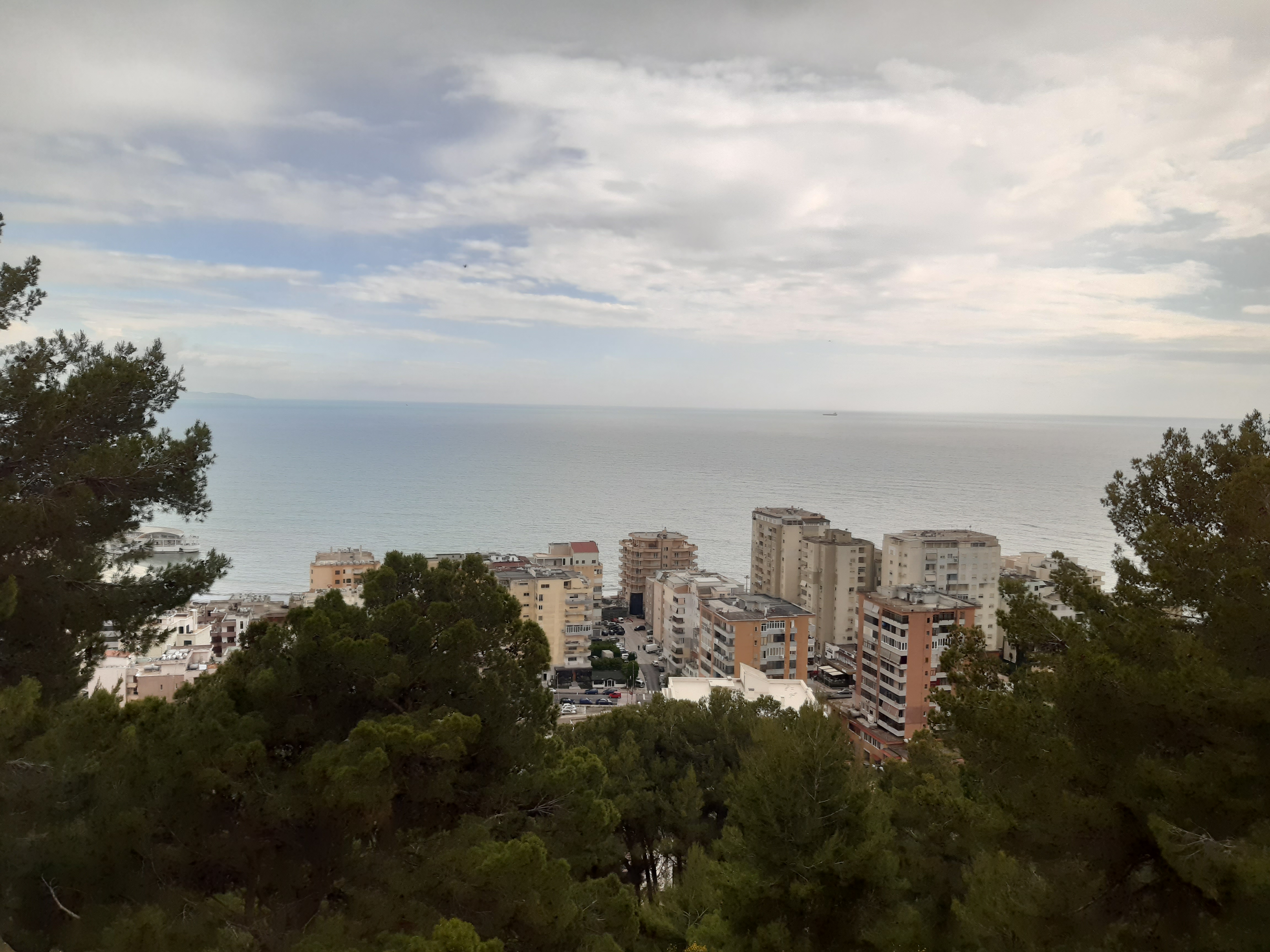
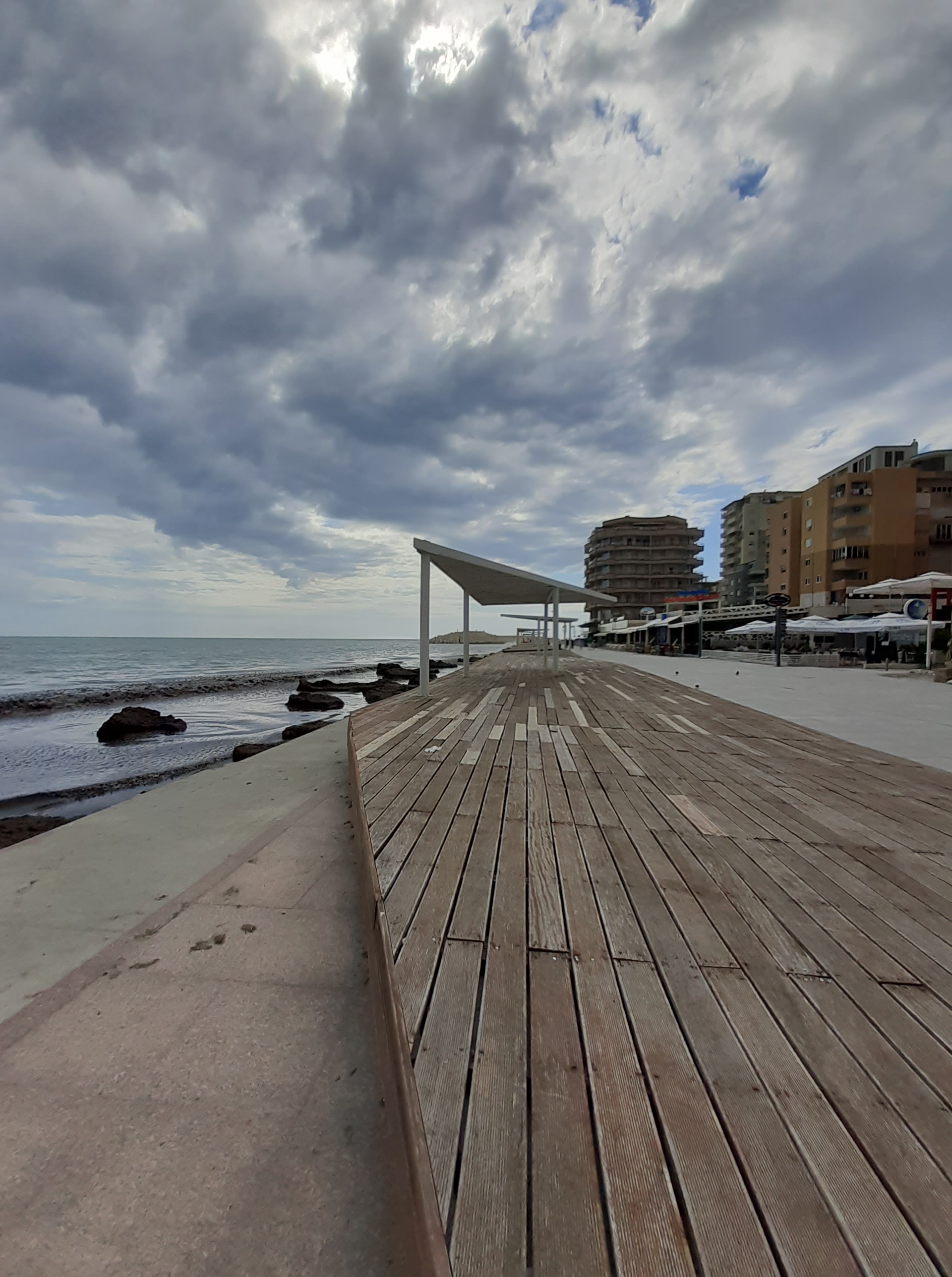
Durres is the port city of Albania. The city is known for its byzantinian, roman and ottoman archeological sites and relics. It is located in the western part of Albania, only one hour driving from Tirana. On Saturday we visited the Roman Amphitheatre, the Sorrounding Walls of Durres, the Venetian Tower and the Royal Vila of King Zogu. Our last stop was at the Taulantia street by the sea. Here are some photos from our visit:

The Roman Amphitheatre built on 2d century AD by empror Trojan
The Sorrounding walls of Durres build by the byzantinian empror Anastasias
The Venetian tower built on the 15th century

The Royal Vila of King Zogu

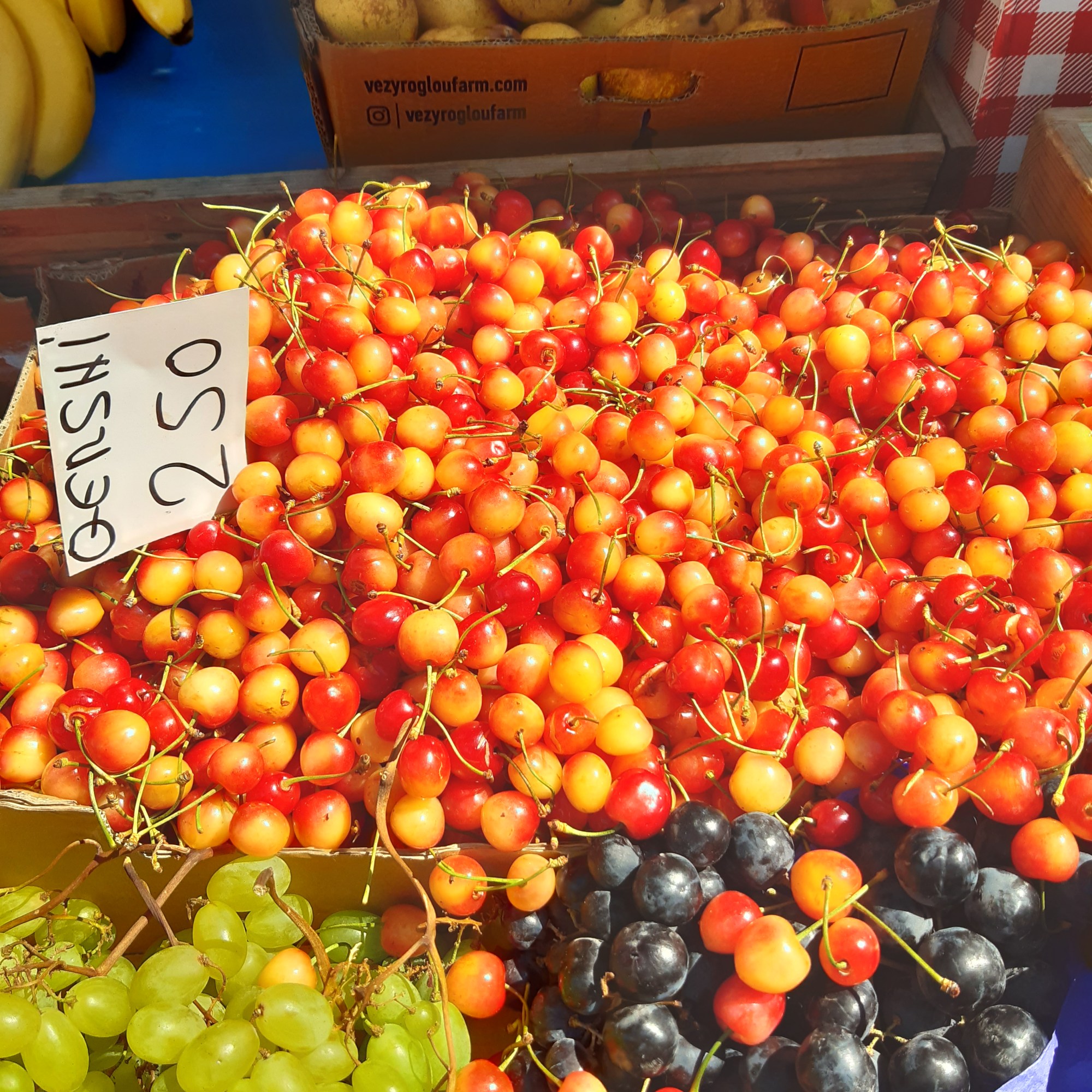
The Heaven of Cherries

If there is a heaven of cherries than it must be in Albania. In June you find cherries in all the shops and in the markets everywhere. They come from the different regions of Albania, such as Dibra, Peshkopia, Kukes, Elbasan, Shkoder etc. They have different tastes and colours, so delicate and full of flavours! A heaven of cherries!

Happy June everyone! Gezuar qershorin muajin e qershijave!

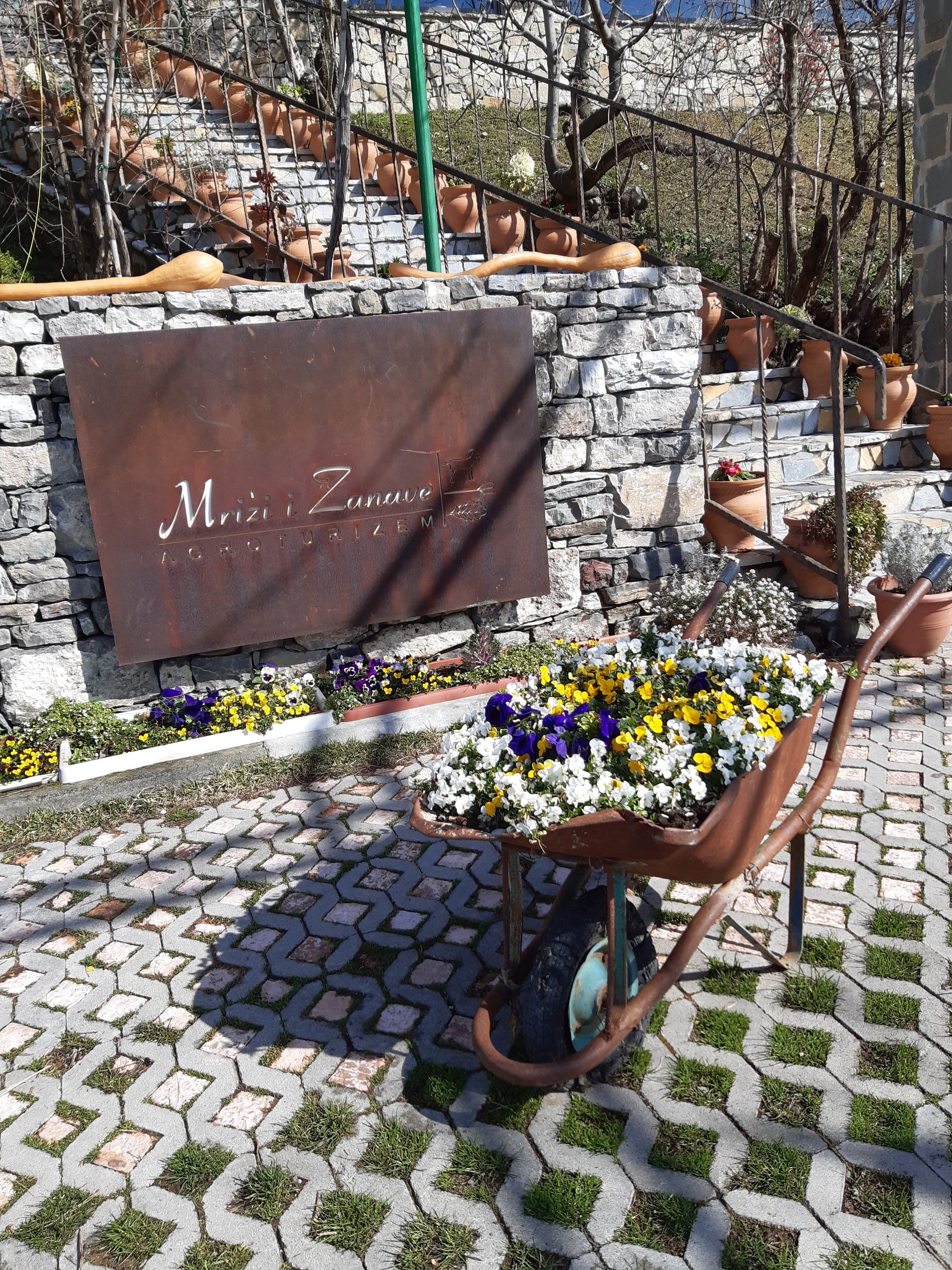
Mrizi i zanave, a blend of poetry and cuisine

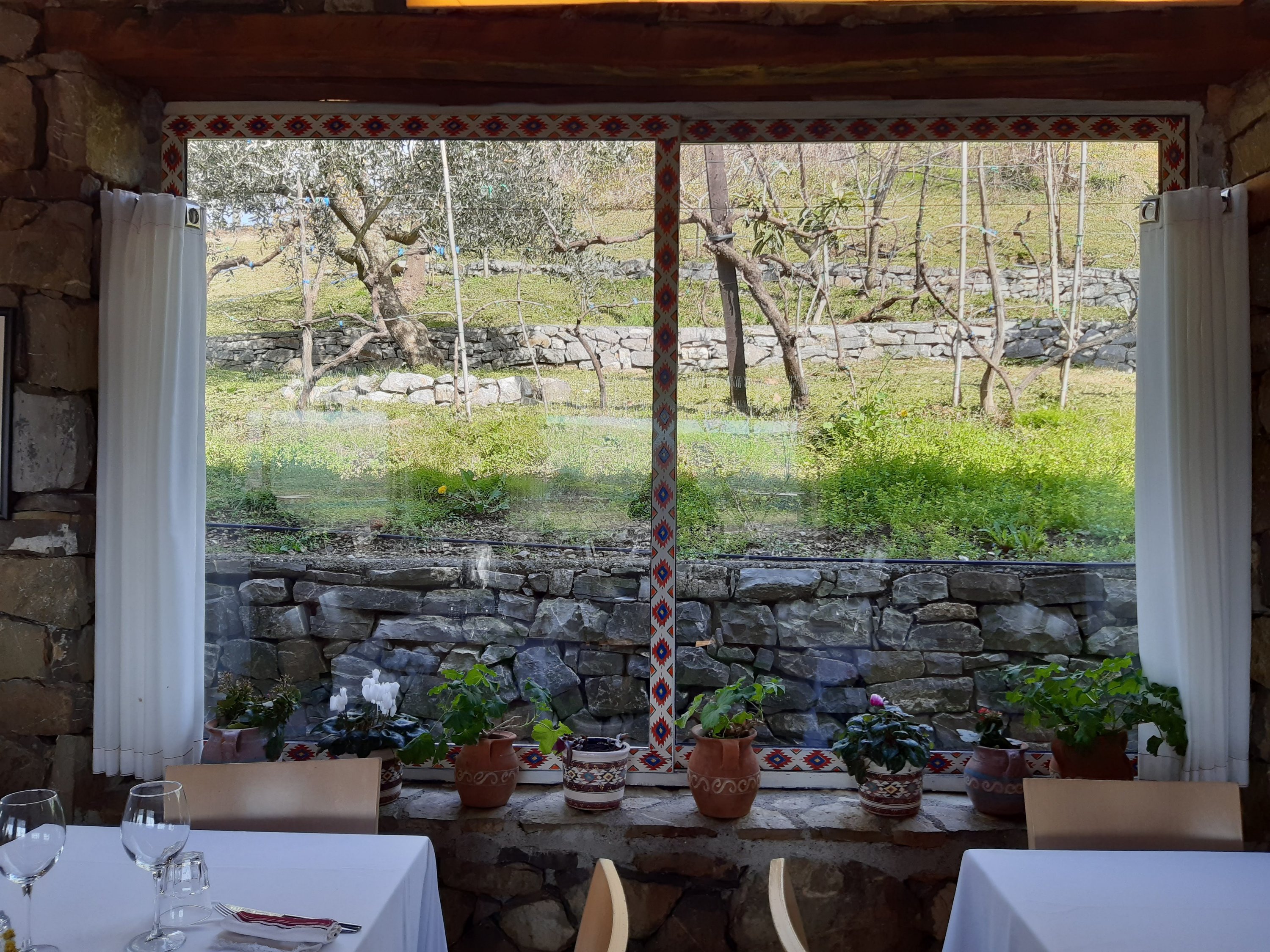
It was a lovely Saturday in February and we finally visited the well known restaurant in Albania, Mrizi i Zanave. I was curios to visit this place. I had heard a lot about it. The name of the restaurant is after a book of poems called ‘Mrizi i Zanave’ (the ‘Shade of the Fairies’) written by the famous writer, patriot and Catholic priest Gjergj Fishta, universally known as the national poet of Albania until the communists took power in 1944, who was from the same village, Fishte, the region of Zadrima, North West Albania.

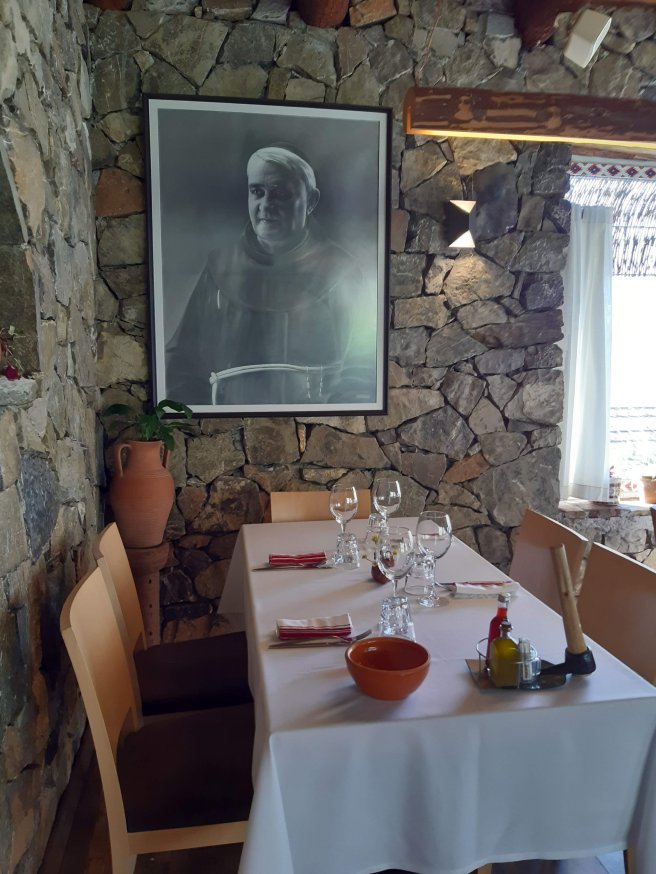
We arrived in the evening. The atmosphere inside the restaurant was warm and nice. The fireplace, the pictures on the wall and the light music coming from the piano in the hall made us feel welcome. It was new to us, beautiful.

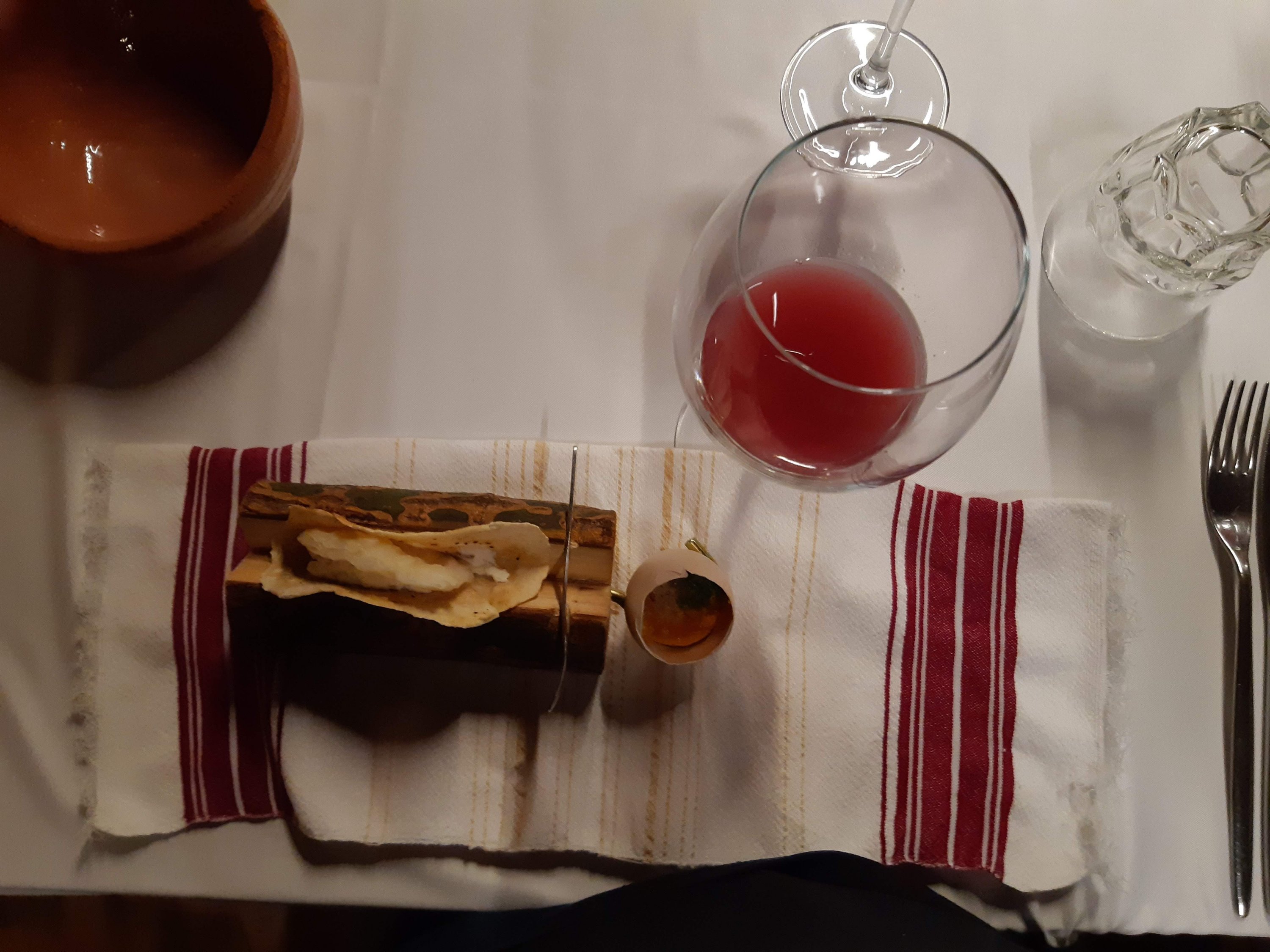
Beautiful smile of the waitresses saying nothing but showing you the way to the table awaits for you at the doorway. Fairies leading and enchanting you to a new experience which you can’t but let yourself fall under the spell. The dishes will follow one by one in harmony, superb presentation for the eyes, a true festival of flavours and colors.

Dishes made of local products.

Our children could not wait to go outside, play and see the farm – part of the restaurant. We left the food for a little and went after them. As we looked at the farm, heard the sounds of the livestock and children and smelled the manure … such a reminiscence of childhood captured us. What a nostalgic feeling invaded us making us remember the beautiful days when we visited our uncles at the farm. My daughter could find right away all the animal characters of her favourite book the Charlotte’s Web. She was excited and happy to see the pigs, she would identify the runt piglet whom the little girl of the book treated as a pet, there were also animals in the barn, the lamb, the talkative goose and the intelligent ‘old sheep’. What a happy moment for children to see all these farm animals in one place.

The restaurant was more than a place where to eat. It was the poetry blending together with all the flavors of fields of Zadrima, a melody. A melody of one’s love for his village, fields and the early sunrise. At those deliciuous moments, we thought of the brothers Prenga, the owners of the restaurant, who made that miracle for the people of a poor village, giving them jobs and living. They made our day a beautiful experience to be remembered for ever.

Tirana, beautiful and sad, sad and beautiful; times that will be remembered

Spring has arrived in Tirana. The mimosas are blooming. The sky is blue and the sun is shining over the horizon. The heights and the slopes of the Dajti Mountain covered with a thin layer of snow. This year spring has found the city deserted like never before. My daughter and I are dancing, spinning around to the beautiful sounds of tunes of the tv swisspop music inside our appartment; my husband and our son each on their tasks; all in the dining room. Beautiful and sad; sad and beautiful at the same time. United like never before.

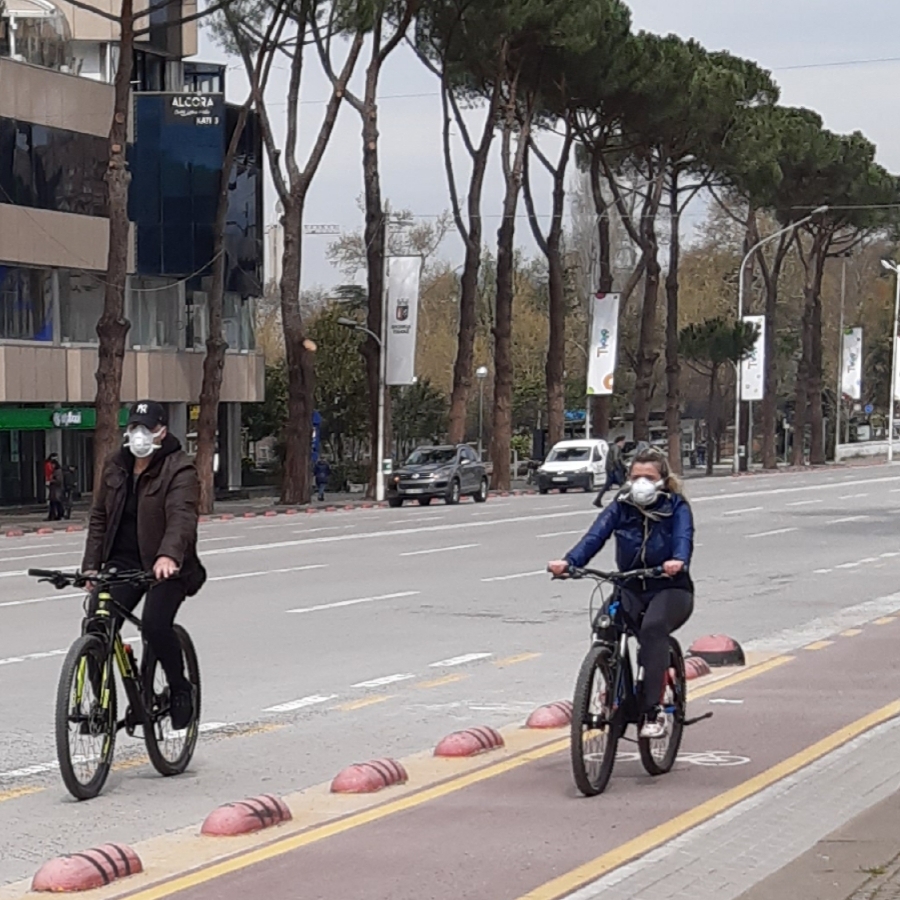
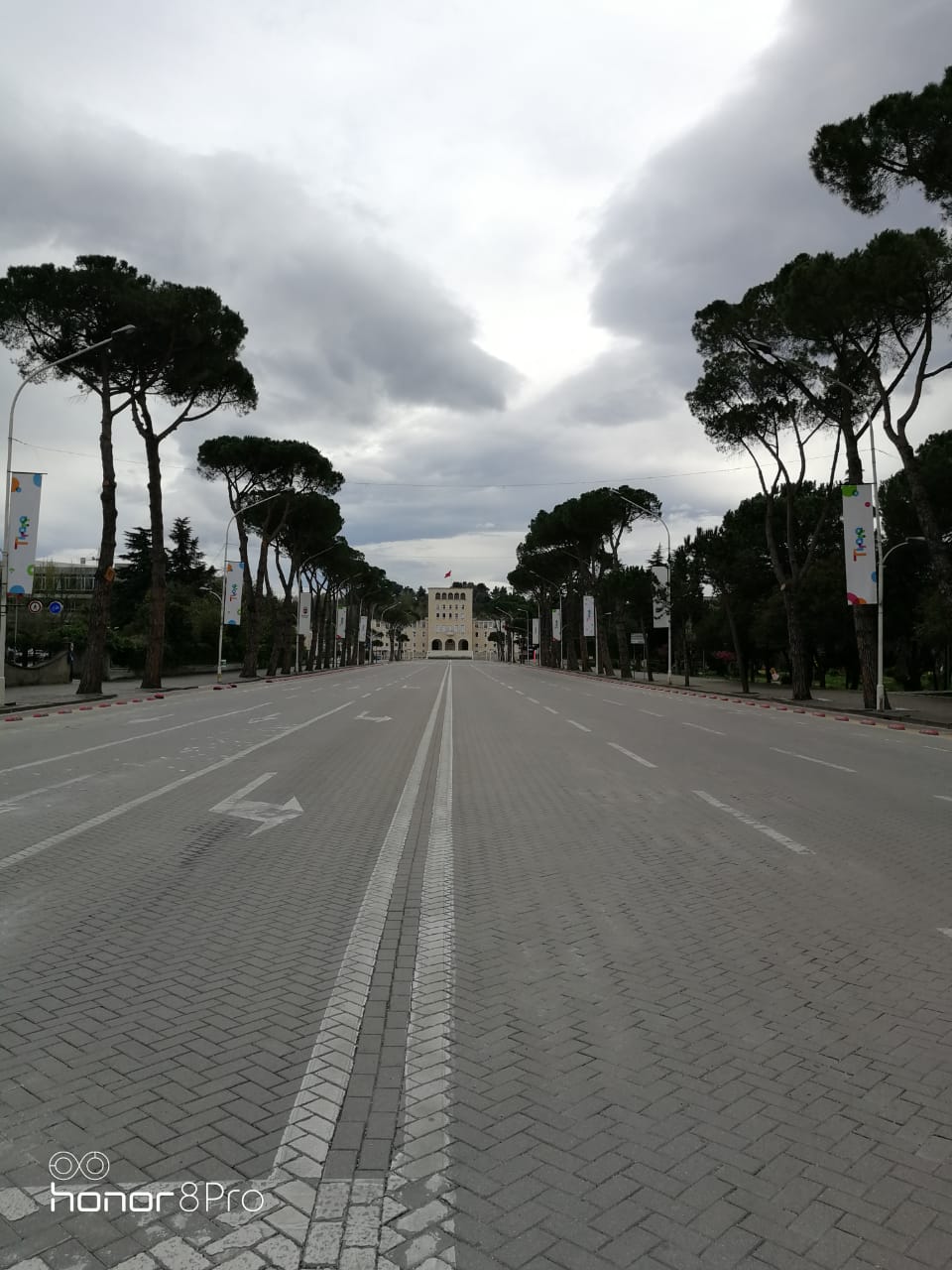
Schools, businesses, churches, mosques are closed. Time has stopped. The people confined in their homes. Tirana at the time of the coronavirus. A time to be remembered. And all this, in the time of democracy and coronavirus.

330 people are reported to be infected by the deadly virus, some are in the hospitals and others are isolated in their homes. 20 have died so far. Who knows how many are infected at large?! The contagion has found the poor country unprepared.

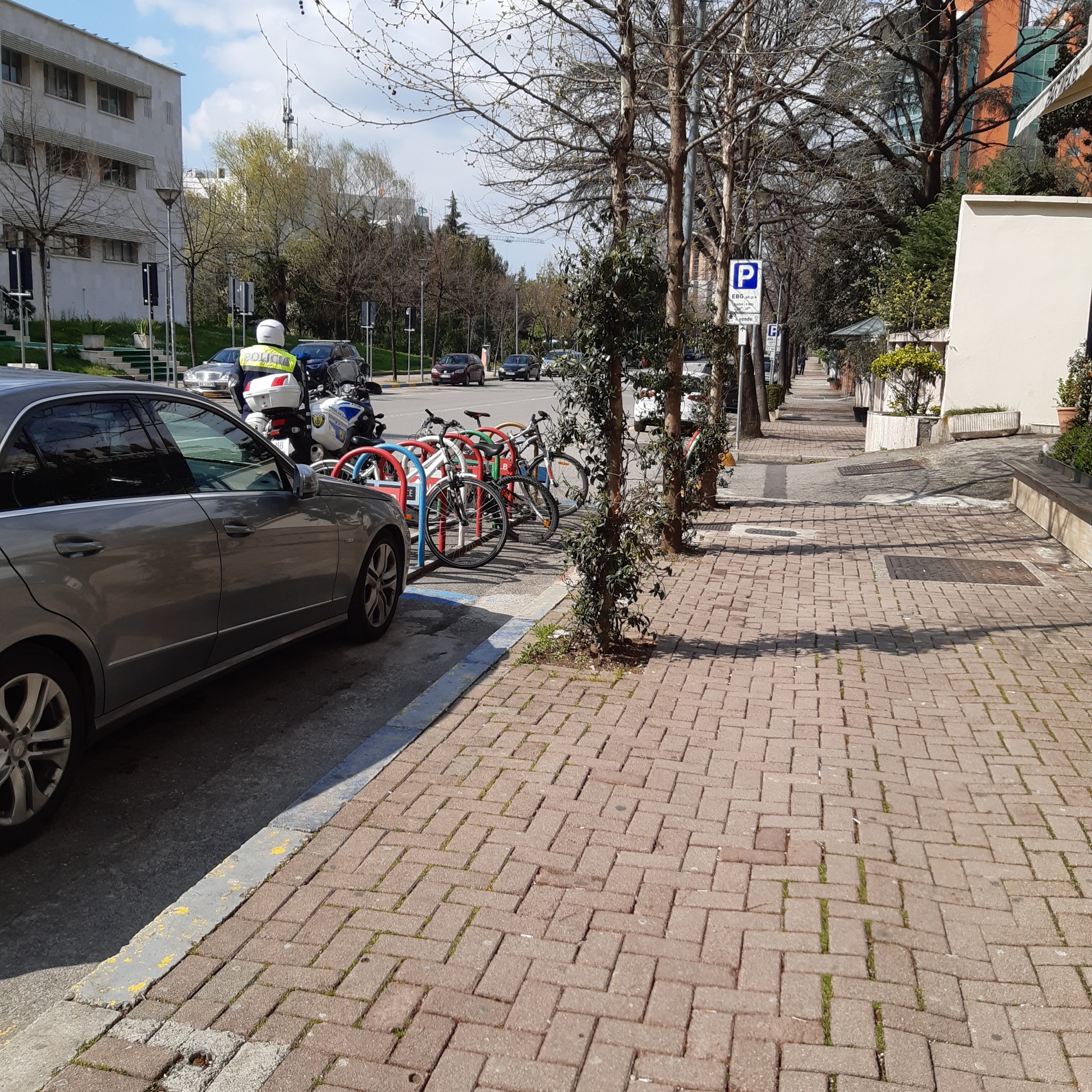
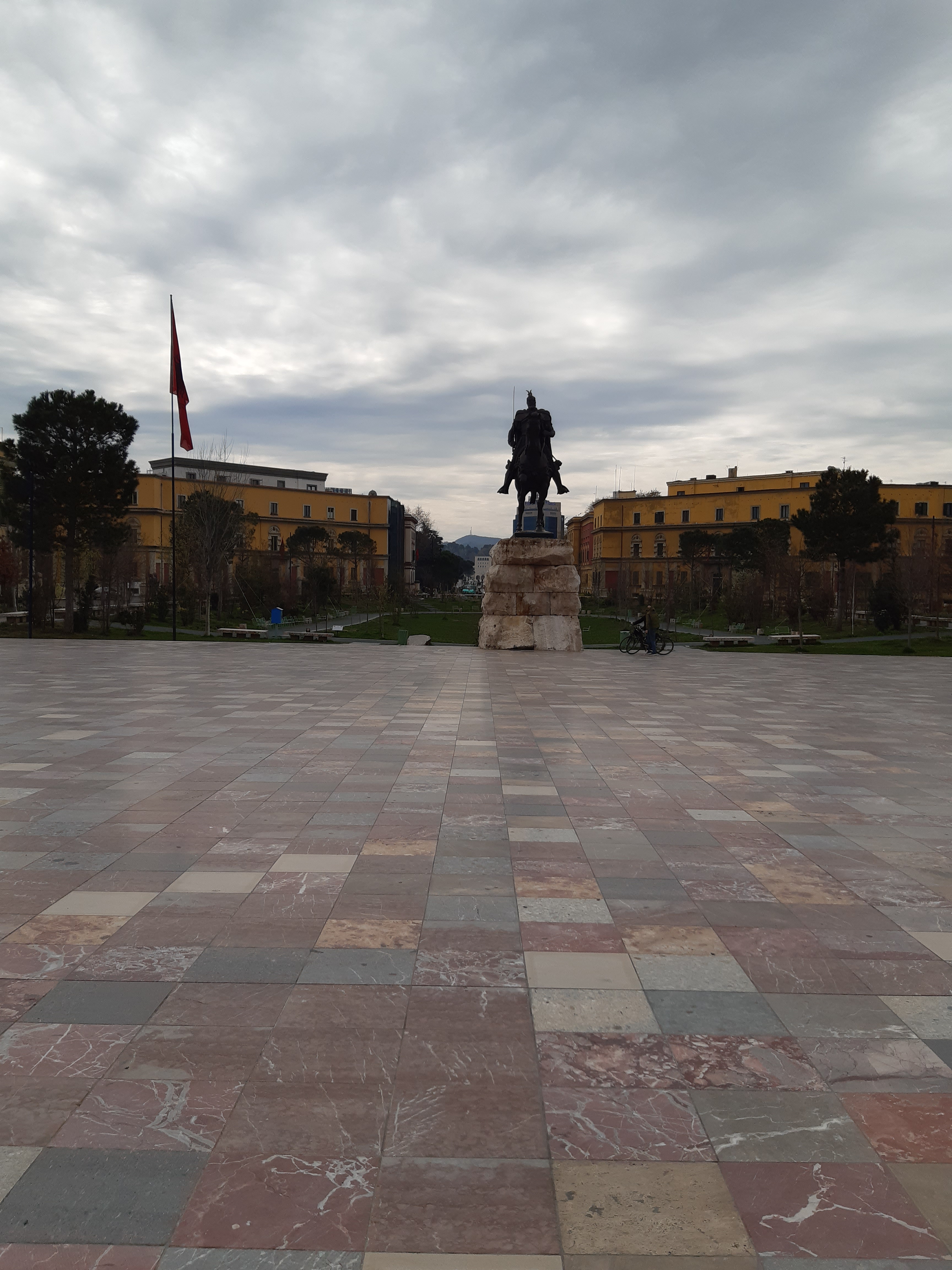
The main city’s avenue, the reknown Boulevard of Heroes, Skenderbeg’s Square and St. John Paul Street are empty and deserted at the time when I am walking. No tourists taking photos around. We used to see them a lot in the last years. Albania and Tirana had just started creating a place for itself among the Europe’s southeastern destinations trying to break into the dificult established tourism market. The country and its charms do not seem to work at the time of the coronavirus!

For the first time I could hear the singing of birds. No more cars and city noises. Nature takes over again and seems to take its rights back.

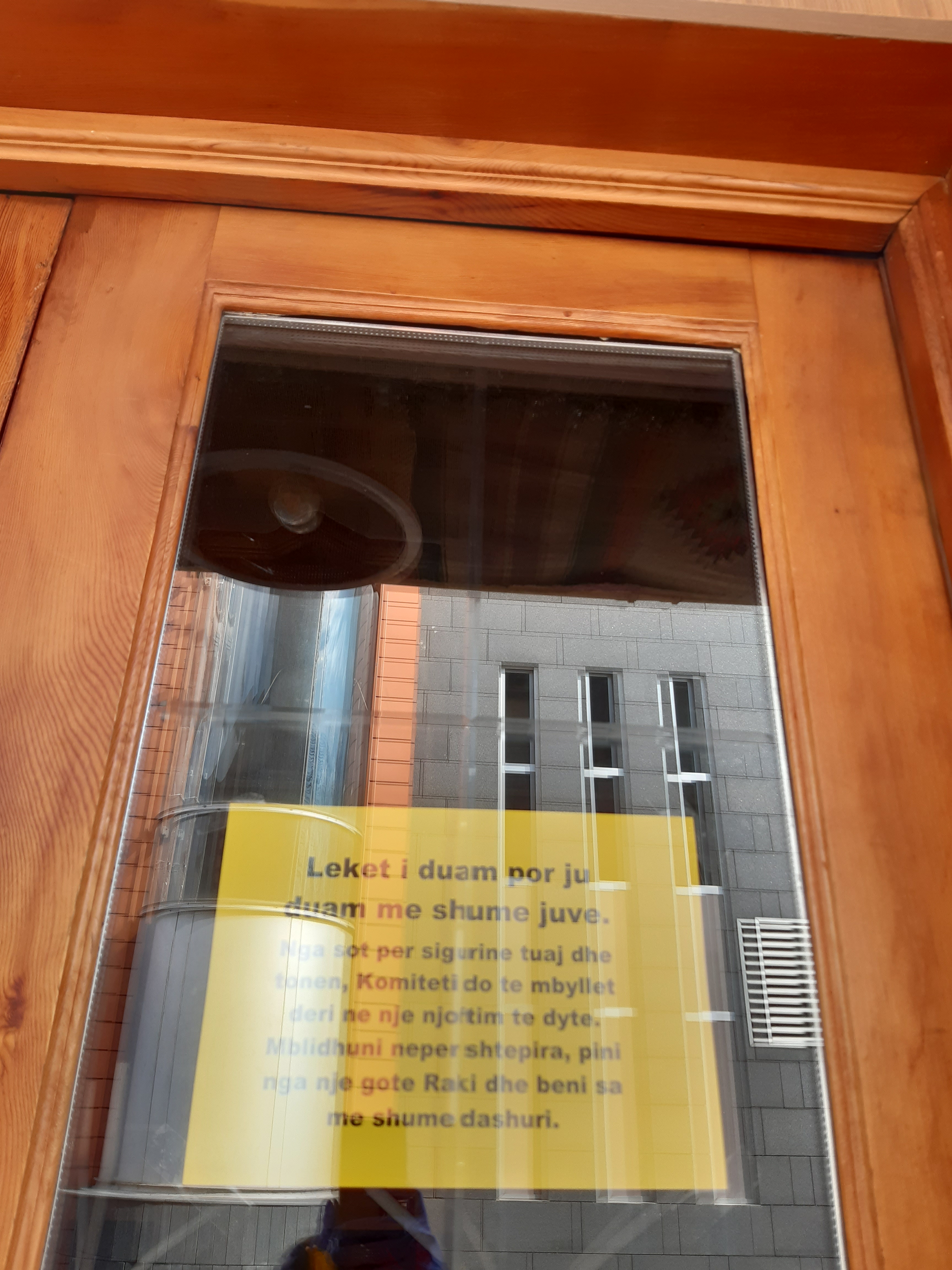
The cafes and restaurants are closed. This city does not make sense without them. The country does not have other established industry than these restaurants and cafes. The capital city lives thanks to them and they used to make Tirana such a beautiful and vibrant city. Notes of closures are displayed everywhere on the windows and doors of the cafes. The Cafe Bar Komiteti, whose name is a reminiscence and suggestive of the communist party political bureau committee shows the following note: “We like money but we like you even more, for your wellbeing Komiteti is closed as of today until further notice. Stay in your homes and drink a glass of raki and make much love”. But can we think of it in these times of contagion?! I wonder while holding the camera in my hands. The virus will be gone; it lives and lasts shorter than dicatorships.

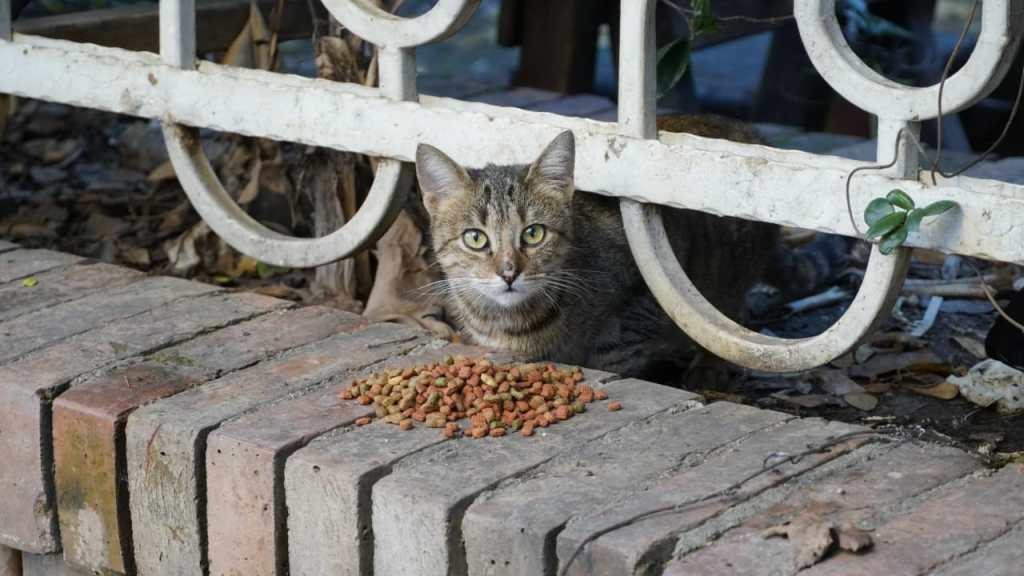
Rare are people who think about the street cats and dogs in general. At these times of confinement, who could think that such a strange and beautiful sort people exist in my lovely Tirana?! But they do. I could tell it from the plates of food left at the the places frequented by the city’s street dogs and cats that have been abandoned and forgotten in the old derelict houses waiting to be swallowed by the real estates developers soon. They are heroes of my city.

Photography by Albi Beqiraj, animal rights activist

How long is this going to last?! Are we afraid, bored, tired?! Deep in my heart I know that this will end one day too, soon. Tirana will be Tirana again. She will come back to me brighter than ever.
Everything will be alright.

Arta Zimaj

The streets of Tirana

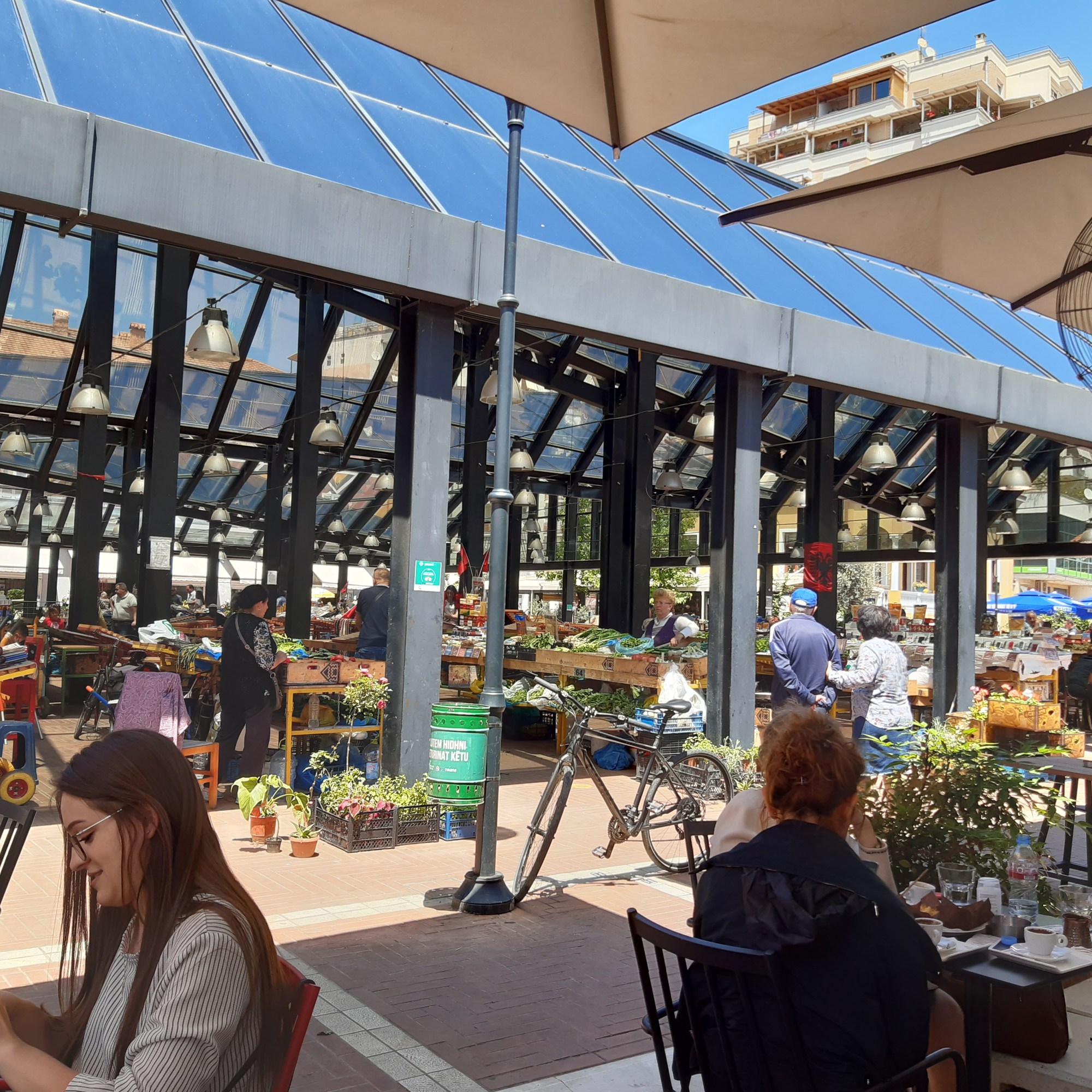
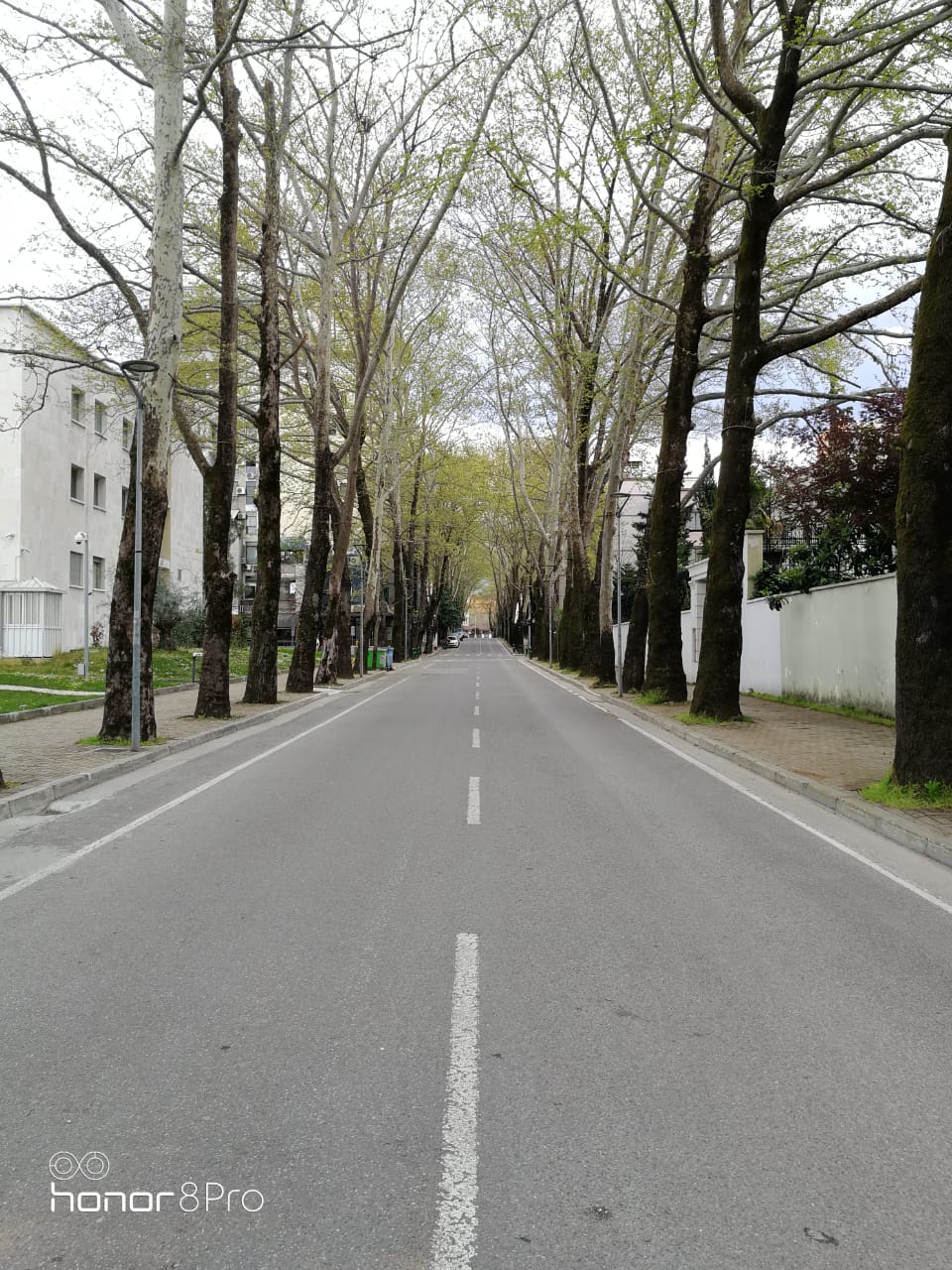
Some of the streets in Tirana are so lovely. The small markets of fruits, flowers and books are almost in every corner of the city.

Everytime I pass by the St. John Paul’s street, I see the flower lady selling seasonal fresh flowers for a low price of 200 lk or 300 lk. She and her flowers are like a framed picture, giving so much life and colours in that street.

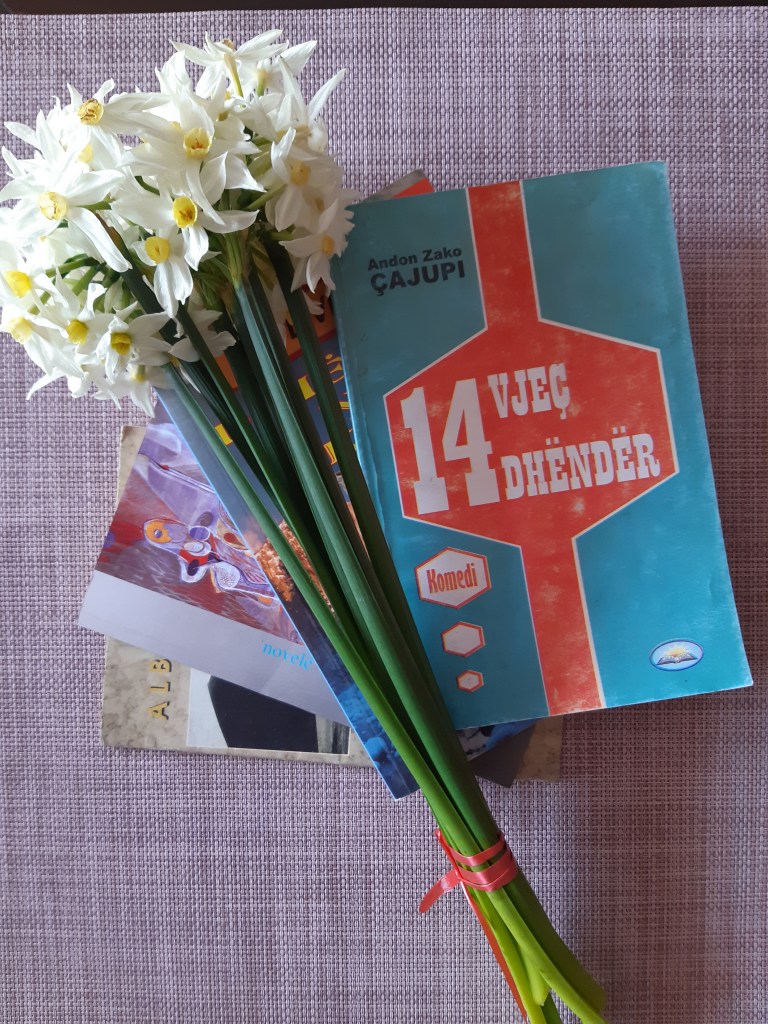
Next to the flower lady, at Ismail Qemali street is the man who sells books. He comes at his corner everyday, except on rainy days, with his bicycle. He has a good selection of books of known foreign and native writers including children books. His favorite genre by the way is fabula.

We say our goodmornings every day. They are both very kind. Today, this is what I got for myself. Aren’t they lovely?!

The Petrela Castle

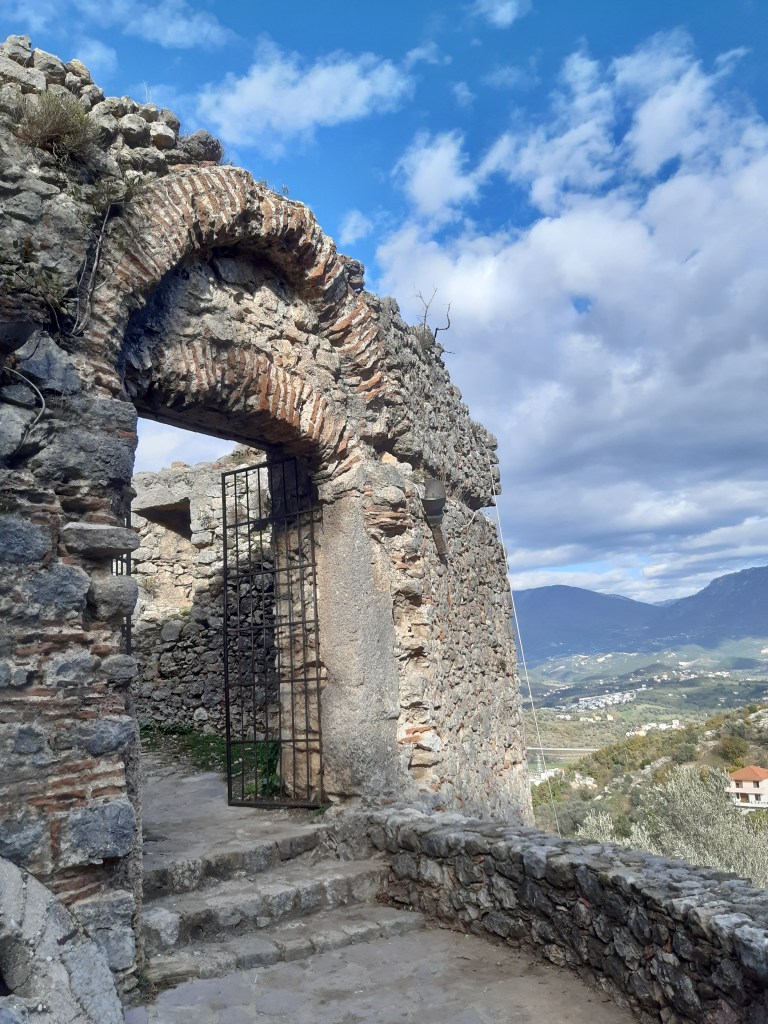
The Petrela Castle is only 20 minutes away driving from Tirana. It is a medivial castle and it has a very interesting history. The sister of Gjergj Kastrioti- Skanderbeg, the national hero of the Albanians, lived there. She was married to the noble Muzaka Topia, the lord of the castle and of the lands around.

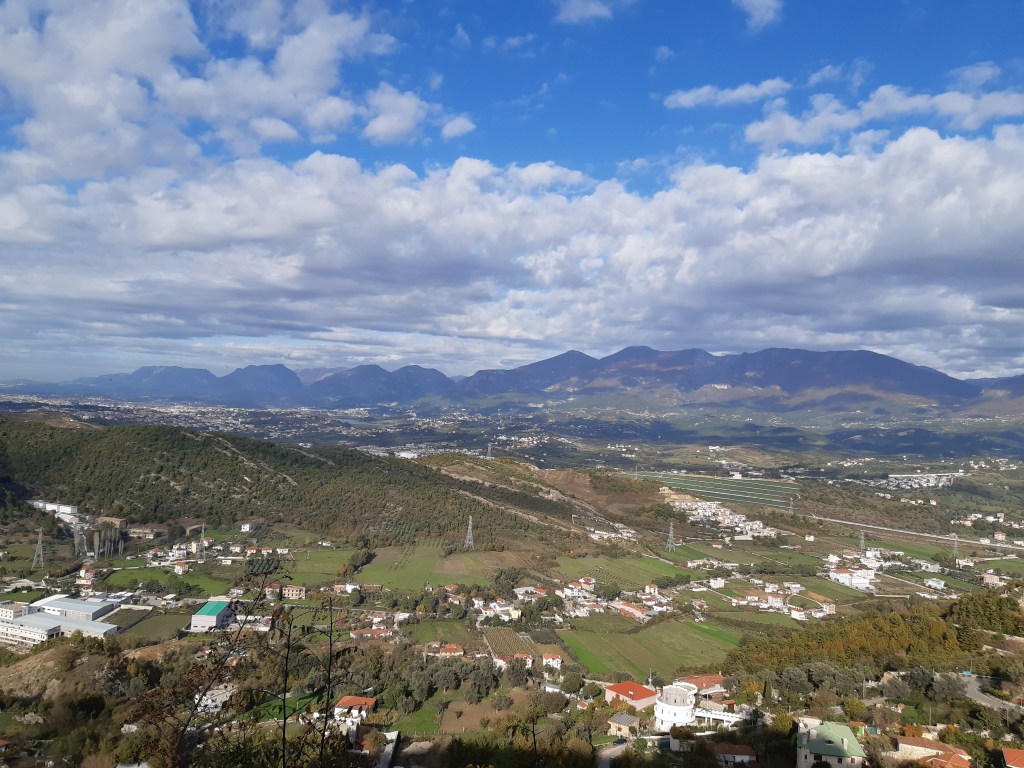
The view from the castle is really beautiful. One can see the whole capital city together with the Dajti mountain overlooking it.

The Castle comunicated in distance with the two other castles of Skenderbeg’s time, the Kruja and Preza Castles, serving to defend the country from the Ottomans. On the top of the Castle, one can easily see the Preza Castle and the city of Kruja nestled into the mountains not far from Tirana.

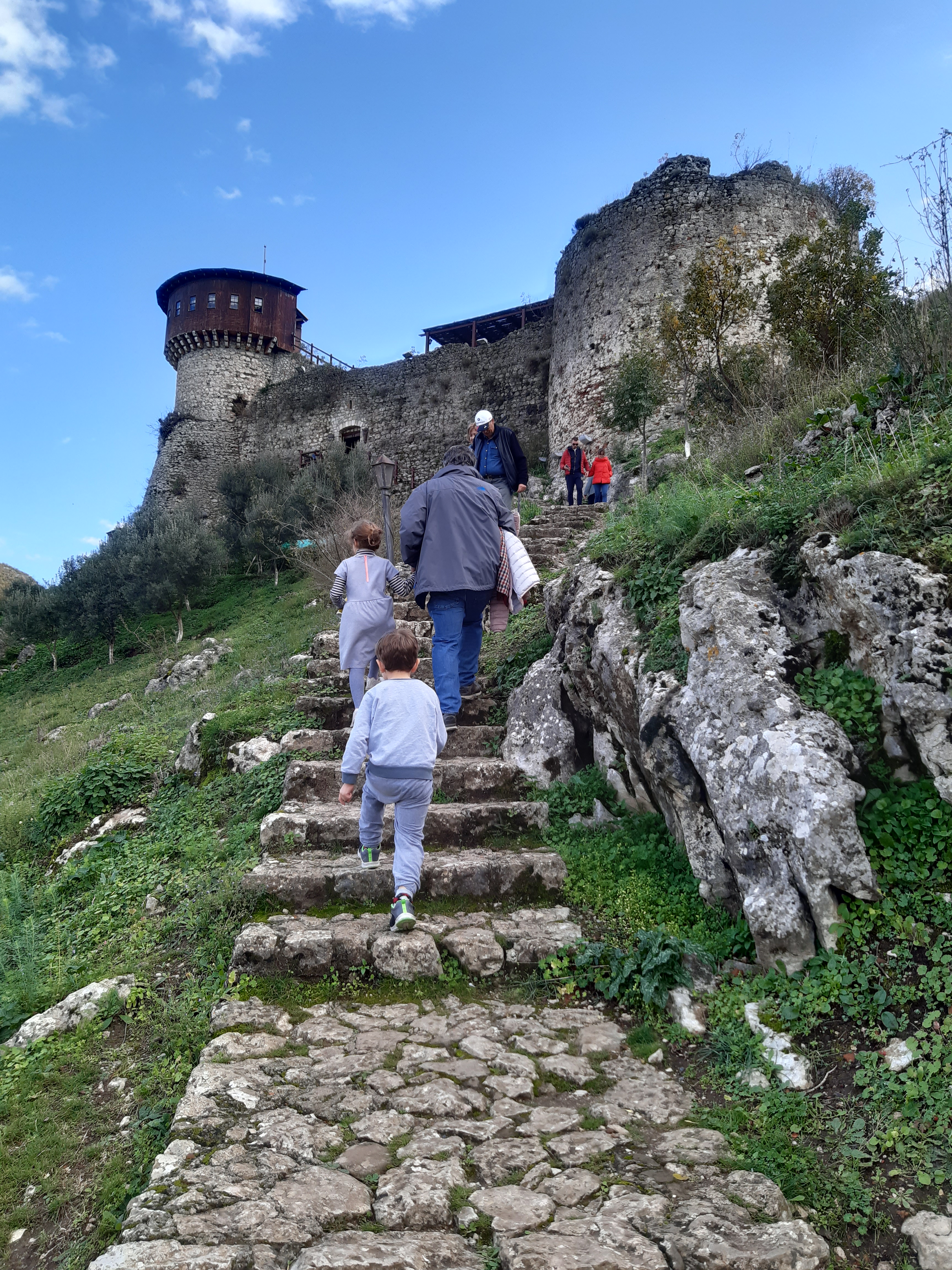
One can visit the castle by car or on foot from the bottom of the hill. Walking all the way to the top of the castle will bring you joy, it can make the spirit and you will have a great pleasure.

Thank you for visiting my blog!

Tirana tells stories: One day in the capital city of Albania

Mirëdita! Hello as they say in English! So you arrived in Tirana safe and sound and wondering what one must visit here in the city. Probably you are very curious to know what this city has to offer!

This selection of things to do and see in Tirana rounds up some of most diverse and inspiring places of the city providing insights into how this city is different and exceptional from the other European capitals. The capital city of Albania, the Rock Garden of Southeastern Europe as the country was once called by one of his prominent intellectual of the beginning of the last century, invites us to this journey through the city.

How does the Scanderbeg Square with its small mosque look like? Or how a bunker was turned into a museum of art to remind us the totalitarian regime? Take a walk by the pyramid and continue all the way to the boulevard. We went to these places accross Tirana and found inspirations that will enchant you.

The locations could hardly be more diverse nor could be the views. They show how the city lived in the past and how vibrant is today aspiring to be a western capital through its many restaurants and coffee places with an unique architectural mix of different styles. This selection exhibits the effects of an aesthetic evolution. It also shows the pace of modernity the city and its inhabitants are trying to catch.

If you are visiting the city, here are the things that you should not miss in Tirana:

  • Visit the Skanderbeg Square

The Skenderbeg Square is the main Square in Tirana, surrounded by a mix of Fascist Italian-style buildings, Soviet buildings, Ottoman mosques. The National Museum , the Opera building, the Ottoman time clock tower and the Et’hem beu Mosque are the main buildings on the square. The square is called after Gjergj Kastrioti, Skanderbeg, the national hero of Albanians. The Albanian nationalism is inspired by his existence. You can take a tour and visit each of them.

The National Historical Museum features a building of Soviet Aesthetic Architecture with in front a monumental mosaic inspired by socialist realism.  The work is supposed to reflect and promote the ideals of the socialist Albanian society representing their aspirations to Independence and Identity.

  • Visit the Bunkart

In a walking distance from the Skenderbeu Square is Bunkart (a literary device in which the words “bunker” and “art” are joined together). During the Communism it served as a Nuclear Shelter for the Minister of Interior. Today the bunker serves as a museum of memories with an inscription of Primo Levi, the Jewish holocaust survivor, written at the entrance of the excellent artistic installation : “All those that forget their past are condemned to relive it”. The Bunkart alerts us to the warning signs with its many objects, relicts of remembrance, photos of people that were prosecuted and documentaries evidencing the horrors of Communist era. The Passage 2 (the Shelter had 4 corridors) confronts you with the bitterness, sadness, fear, strange emotions when reading the texts and watching the pictures relating to the activities of the communist secret police “Sigurimi” with its “36 ways of torture” used during the investigative stages against the “enemies of the people”. It teaches us that we are the ones who “create the monsters, applaud them, follow them, put them on a piedestal and afterwards the monsters feel so powerful that they don’t want to leave us anymore”. It is interesting to note that the museum was full of foreign tourists and, at the time of my two-hours visit, no Albanian visitors could be seen. Are the Albanians still afraid of the spectres of the past!? Are they not ready to confront the remembrance of the time?. These inner questions arose during my visit.
A must see: entrance fee around 3.70 Euro per person.

  • Castle of Tirana

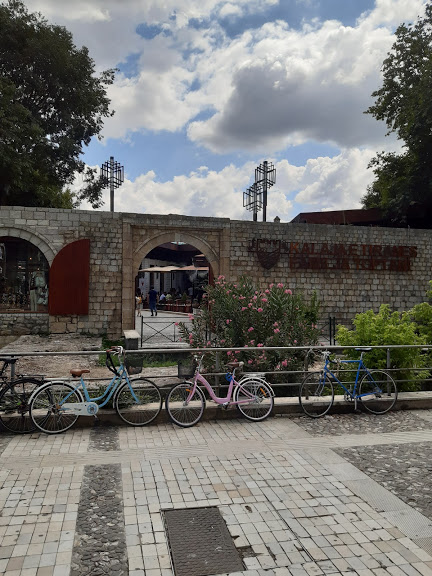
The Castle of Tirana is an old castle since the Byzantine times. It is located not far from the Skenderbeg’s square. Inside the walls of the castle are few modern restaurants, cafes and souvenir shops. It is a convenient place to go for a walk and enjoy a cup of coffee, ice cream, or the delicious dishes in the restaurants there. It is a very popular place for locals to hang out there too. In case you would like to buy a souvenir, something Authentic Albanian, in the Castle of Tirana you will find the best gift.

  • Take a walk by the Pyramid

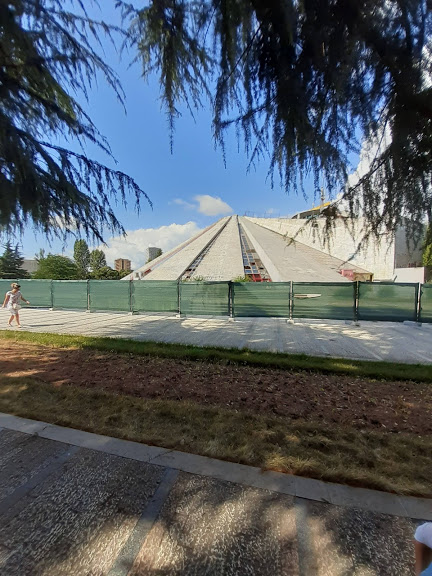
The Pyramid of Tirana planted in the centre of Tirana is an emblematic building-museum, a city landmark, that the communist dictator erected to his glory. After the fall of the regime, it closed to later house a base of the NATO, a nightclub and TV studios, reflecting somehow the cultural changes of a society in permanent search for itself, for money, for aesthetics. Although not very beatiful to many tastes, it is a top attraction for tourists who, together with city teenagers and lovers killing their time there, experience the climbing. It failed to be demolished by previous city authorities but saved by the inhabitants. It will experience a renaissance by becoming an information technology center in the Albanian capital that changes all the time.

To be visited before it gets architecturally transformed by a Dutch Architecture Company.