Theth: Where Silence Speaks and the Mountains Listen

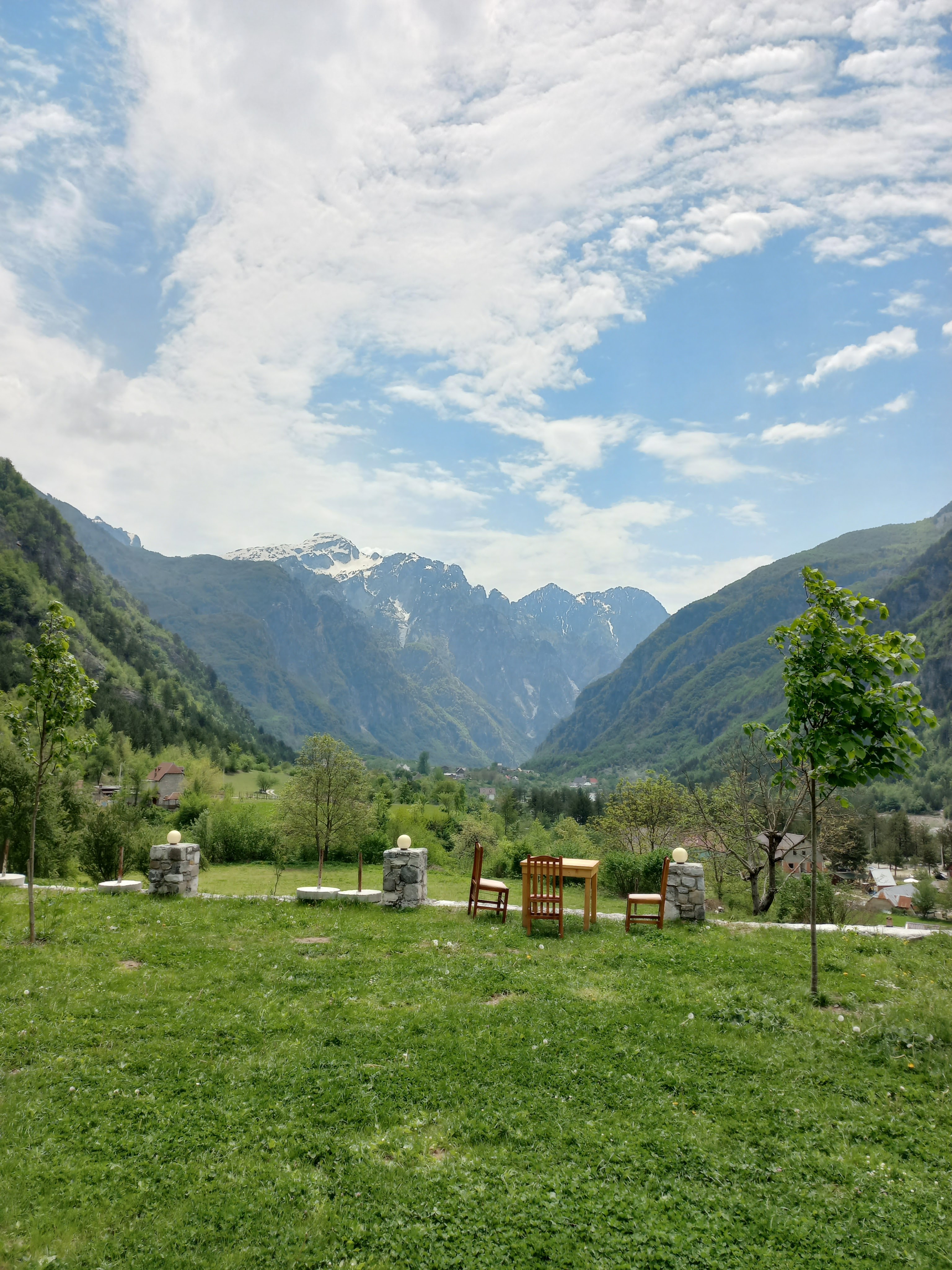
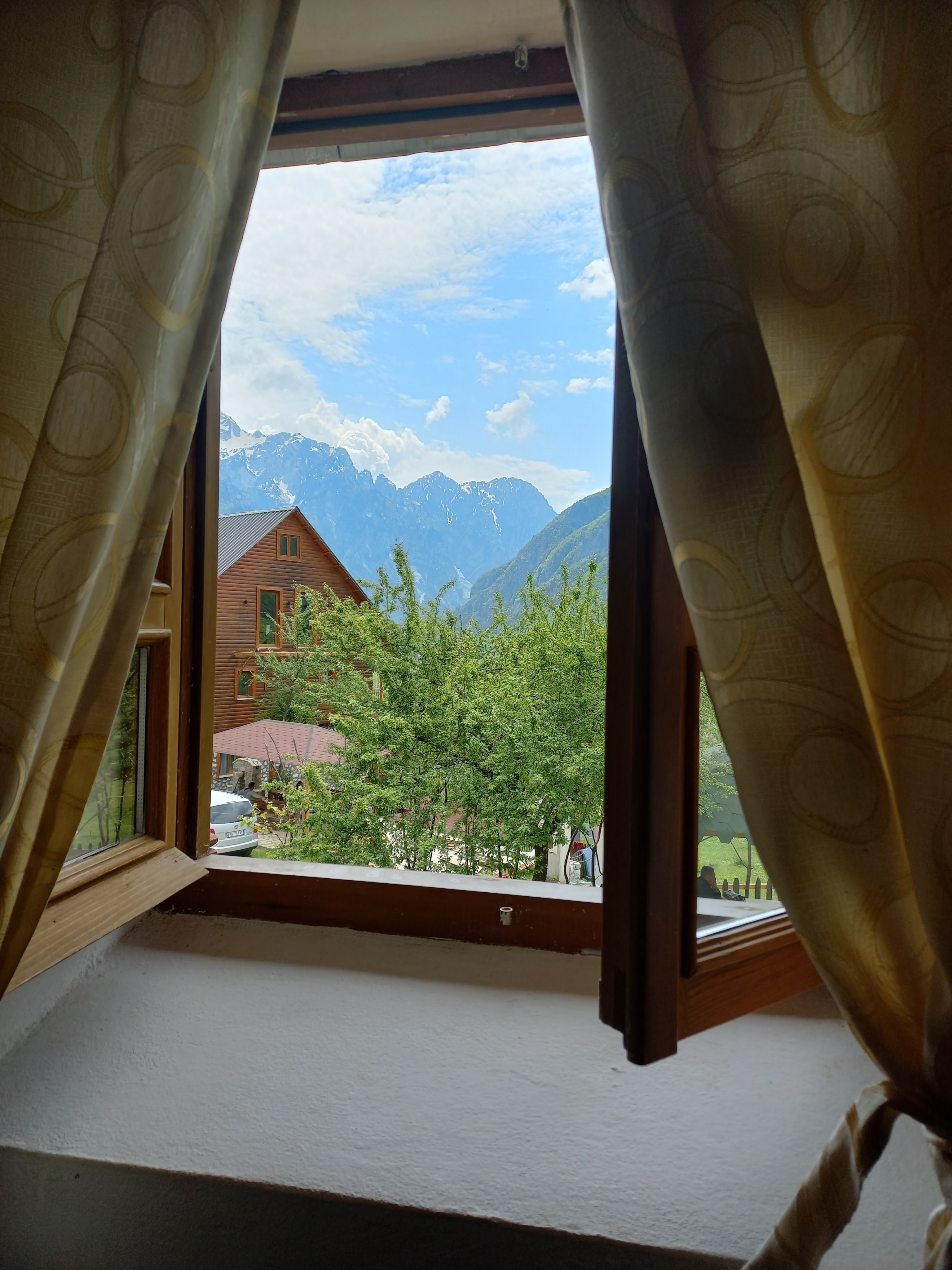
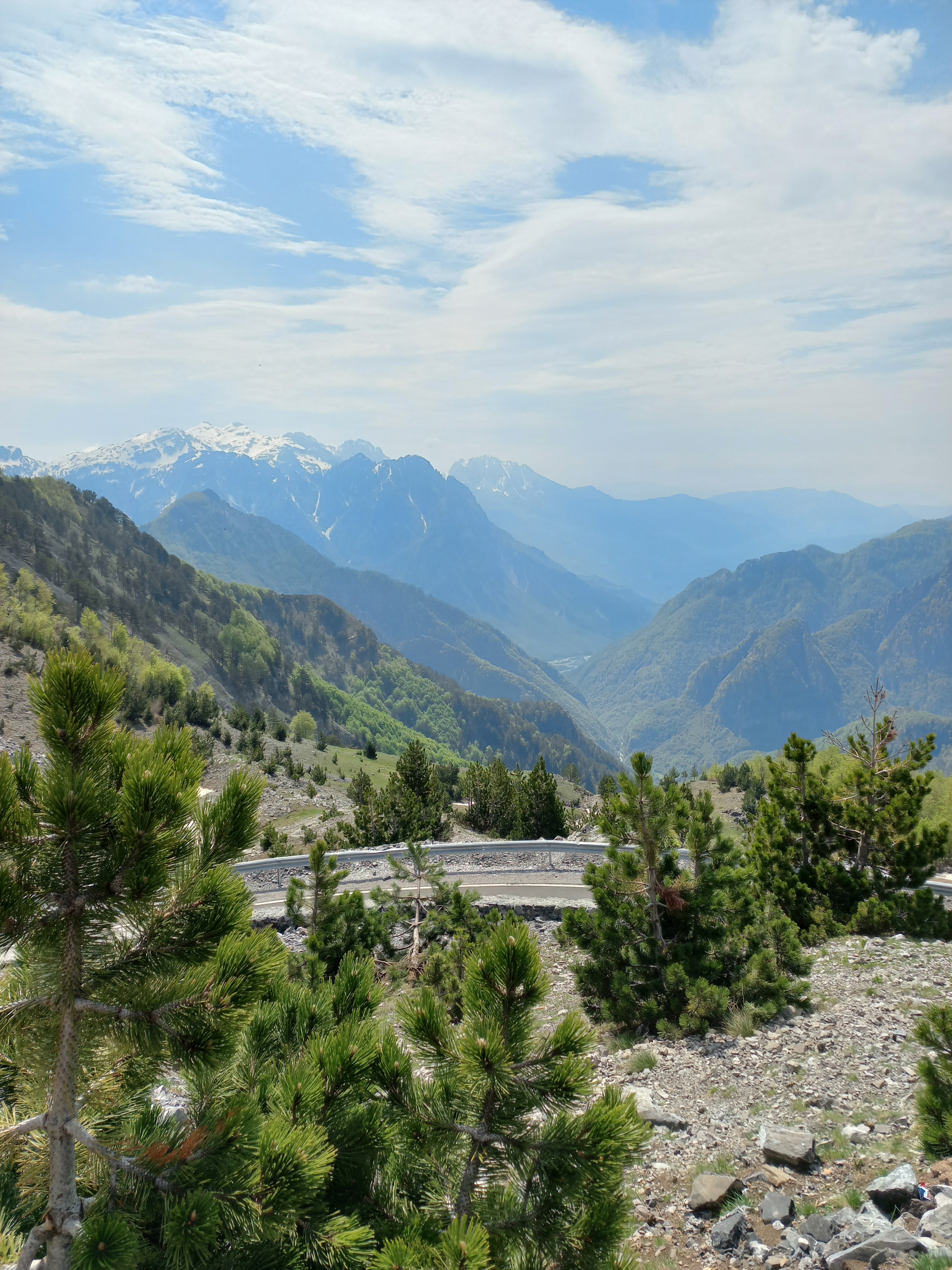
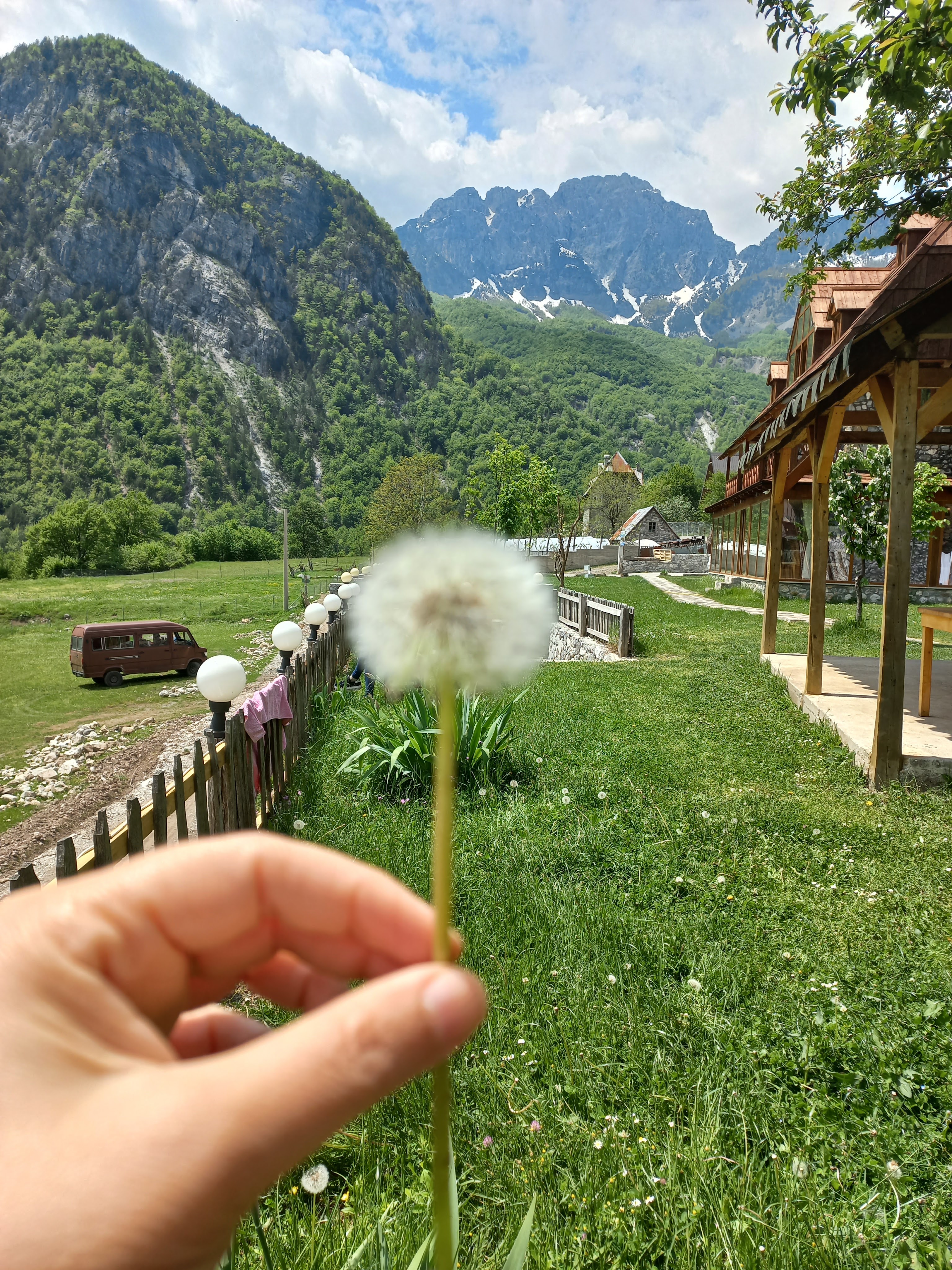
There are places in Albania that whisper gently to your soul —like Theth— telling us stories without saying anything. Hidden deep in the Albanian Alps, cradled by jagged peaks and ancient tales, Theth is not just a destination. It’s a feeling. A pause. A breath held a little longer.

After many years of life and work in Albania, we decided to go and visit the place in the northern highlands.

We wanted to visit the beautiful scenes of nature which we had heard so much about, having an inner desire to search for the lost time, old customs, old passionate Catholic tribes of the Northern Albania.
More than hundreds of years have passed and Theth, once a poor hamlet with two hundred households, has seen itself being emptied of their own people who would leave this isolated wild place, far at the edge of time and earth, for a better life or fleeing blood feuds. Most of them had left for America in the 1930’s to leave behind just a small number of co-villagers who remained forever imprisoned within the everlasting snowy high mountains and, after 1945, isolated by a fifty-year-cold- winter of the human soul, the Albanian communism.

The village and the area were never visited by any communist dignitary to be left to its own destiny. The last inhabitants left the village after the fall of the regime to go to Shkodra, the nearest big city.

Once a lost village visited only by rare travelers and explorers who would be hosted in the poor cottages and huts by villagers in the best fashion of Albanian hospitality with no profit purposes, Theth is today a place with commercial guesthouses appearing and spreading everywhere run by the natives only in spring and summer but not in winter when the place becomes completely cut off from the world.

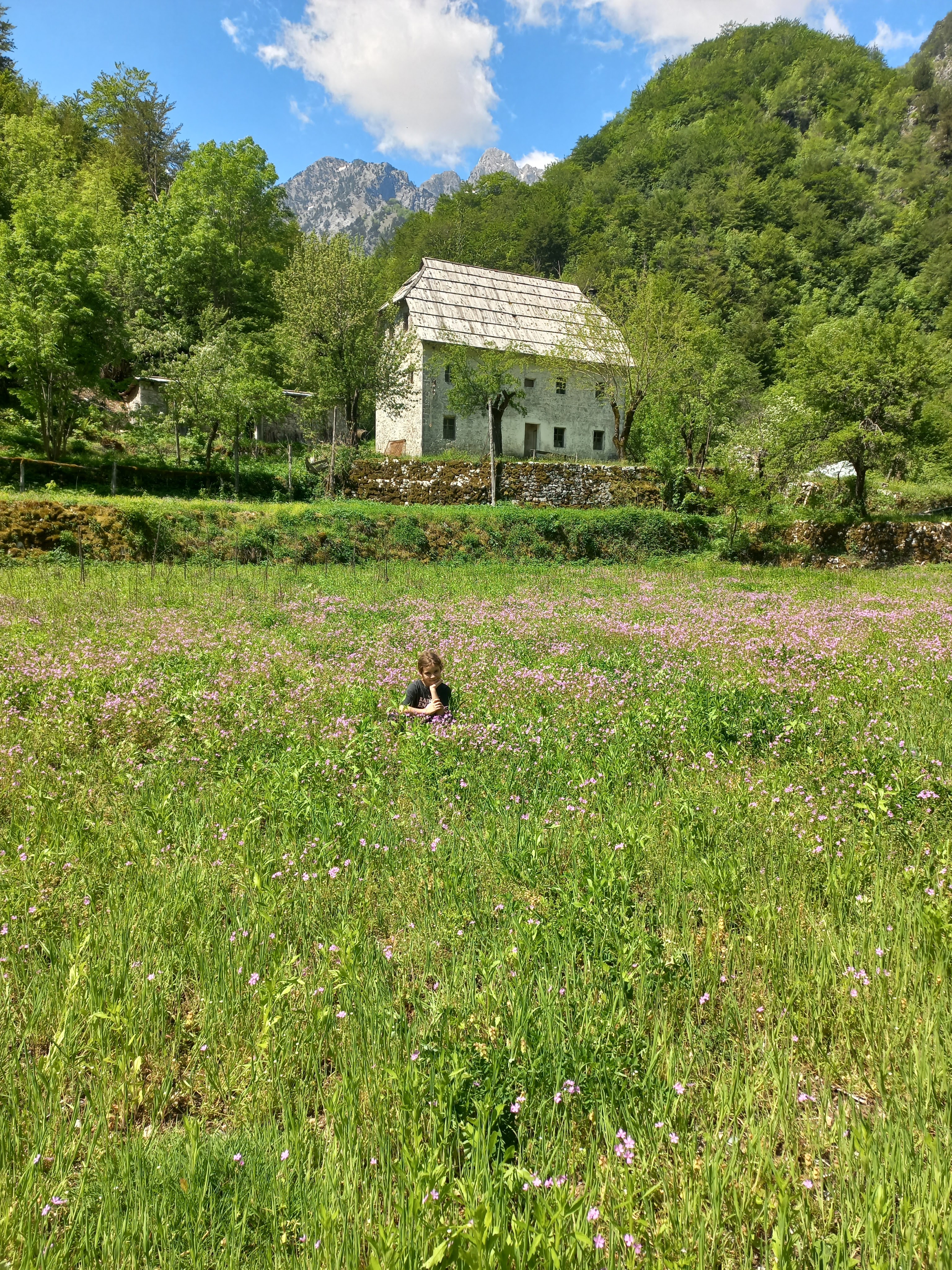
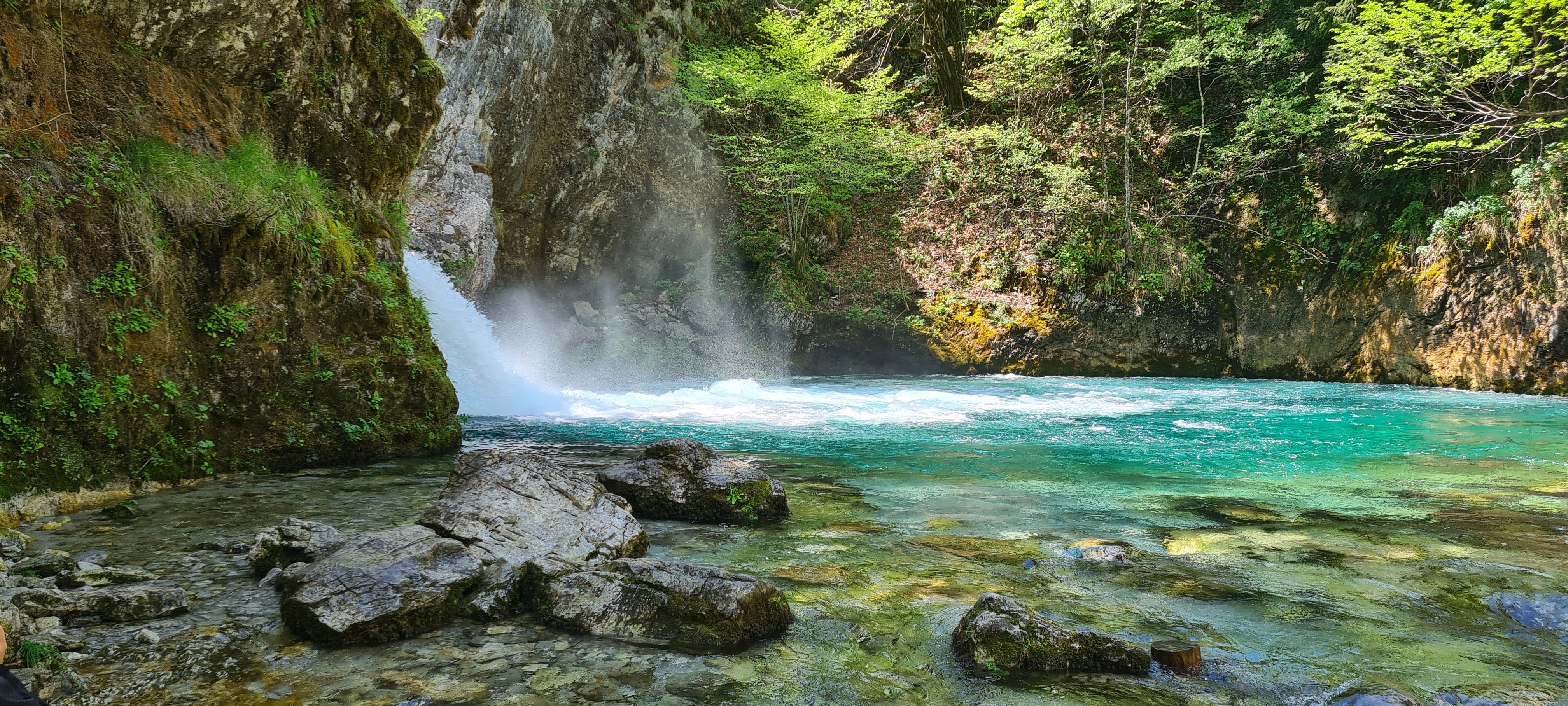
Imagination, emotions, and freedom would transport anyone; for this place offers all a reverie worthy of the romantic travelers of the XIX century: the everlasting-fairy-tale-high-mountains with snow that never melts even in summer; the unpredictable weather awaken your senses so that you love this place differently when it’s snowing, raining or when it’s sunny, all this within a day.
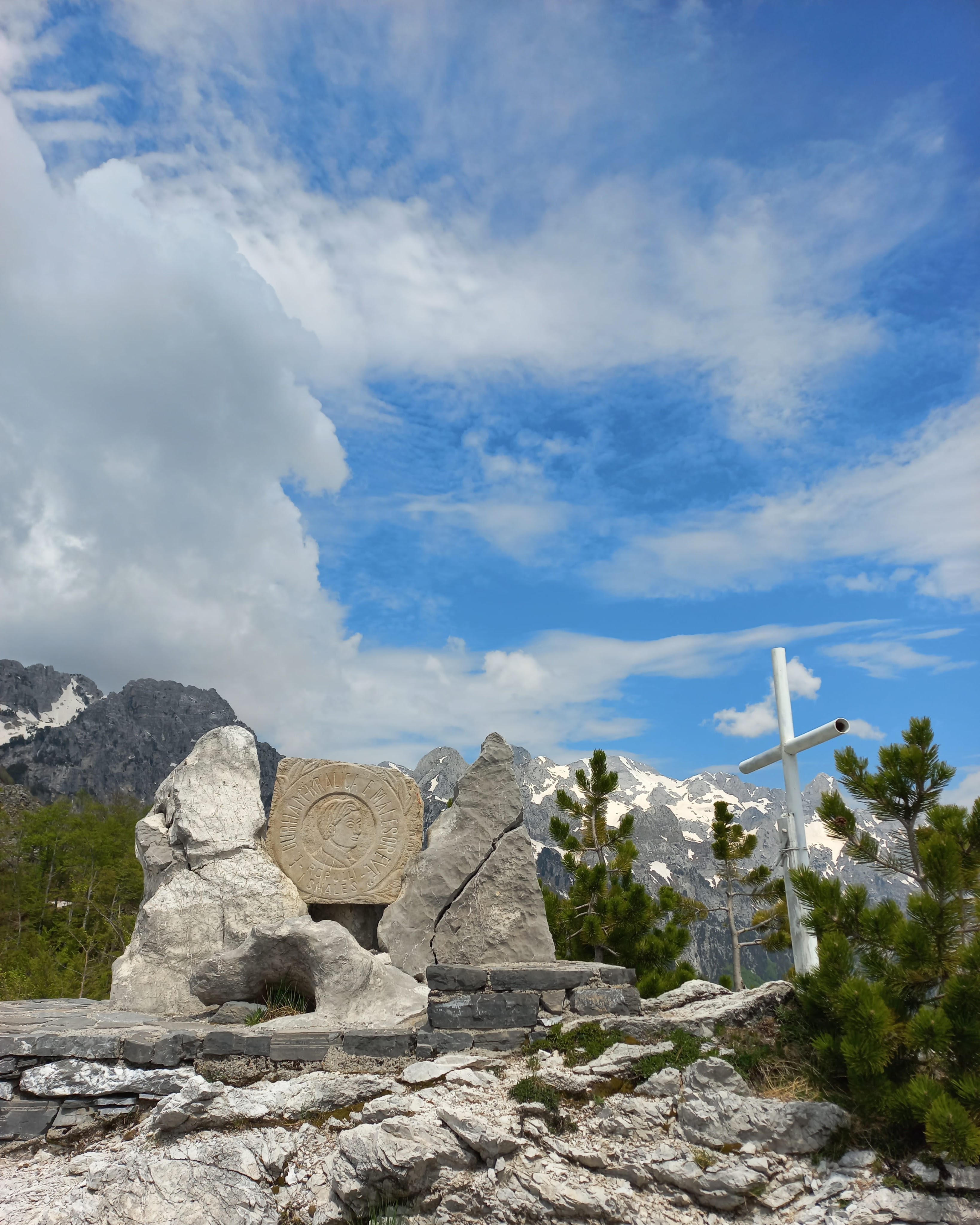
Many people have passed through the mountains of Theth, but few have left a mark as deep as Edith Durham. Over a hundred years ago, this Englishwoman came not with expectations, but with an open heart. Traveling by mule through some of the most isolated corners of Albania, she listened, learned, and stood beside the people of the north when few outsiders even knew they existed.

She was more than a visitor. She became a voice for the highlanders, writing about their bravery, hospitality, and struggles during turbulent times. Her respect for their way of life was real—so real, in fact, that the people came to call her “Mbretëresha e Maleve” – the Queen of the Mountains.

Today, a small monument stands quietly by the road to Theth in her memory. It’s a simple reminder that sometimes, the ones who understand us best come from far away—but leave a part of their souls behind.
Theth and its alps offers a grammar of senses and there is no other way out than to submit yourself to them: the feeling of isolation claims you, a strong communion with the nature plunges you pleasantly into your thoughts; the mountains with sharp peaks like a gothic cathedral stands in front of you immovable and you turn and turn and spin around wishing to see everything.

There is such poetics that you will once again love yourself or bless the world or love your mother that gave life to you. Or love God. I don’t know! Sad and pensive travelers suffering of the world might have their melancholy exalted to the point of thinking of shortening their lives! Come and see it yourself! You will perhaps hear the first call of your Muse and become a writer in this place of inspiration; even better.
So come to Theth not just for the views or the hikes. Come for the silence. Come for the stories carved into stone. Come to walk the mountains, listen to their stories and breath.


The Heaven of Cherries

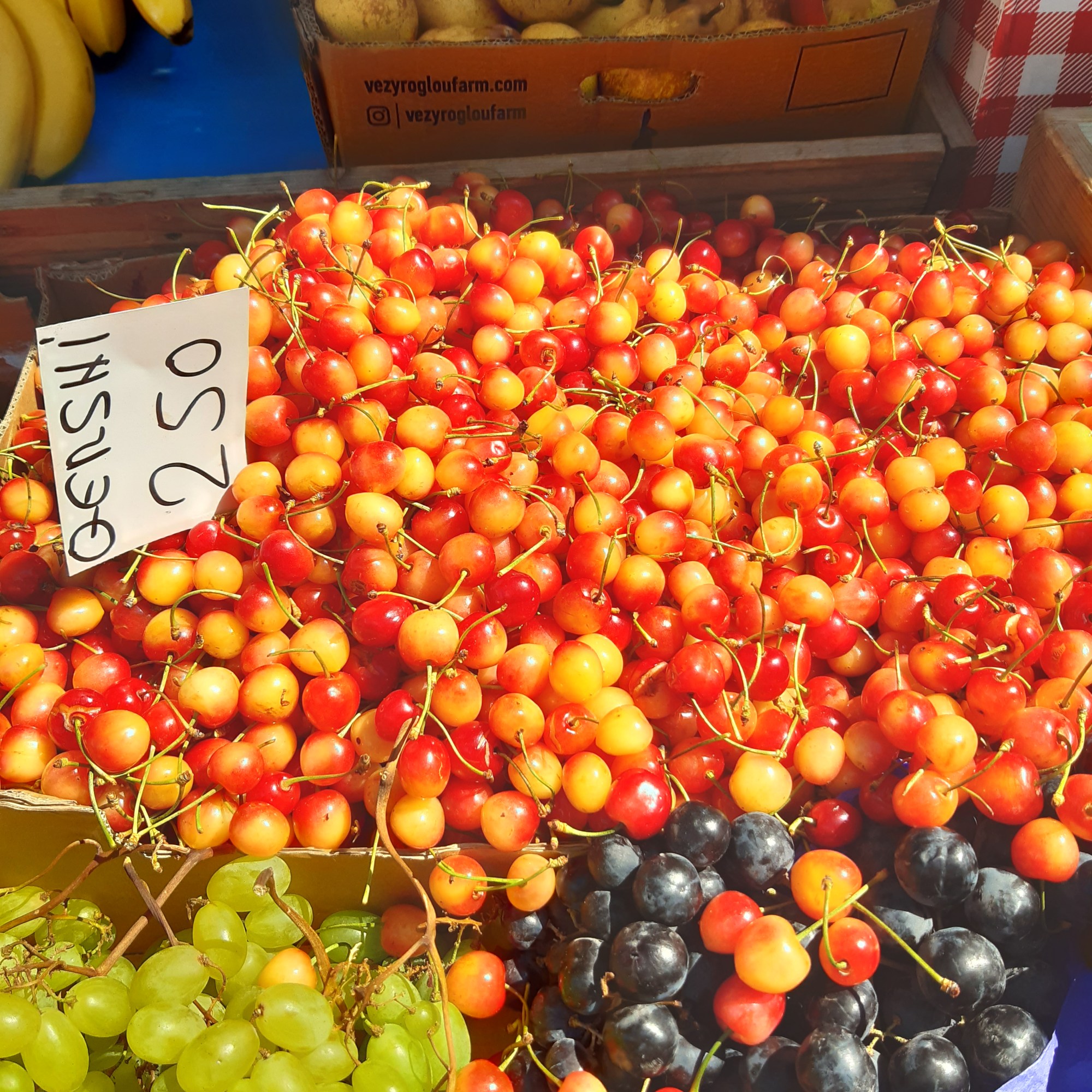
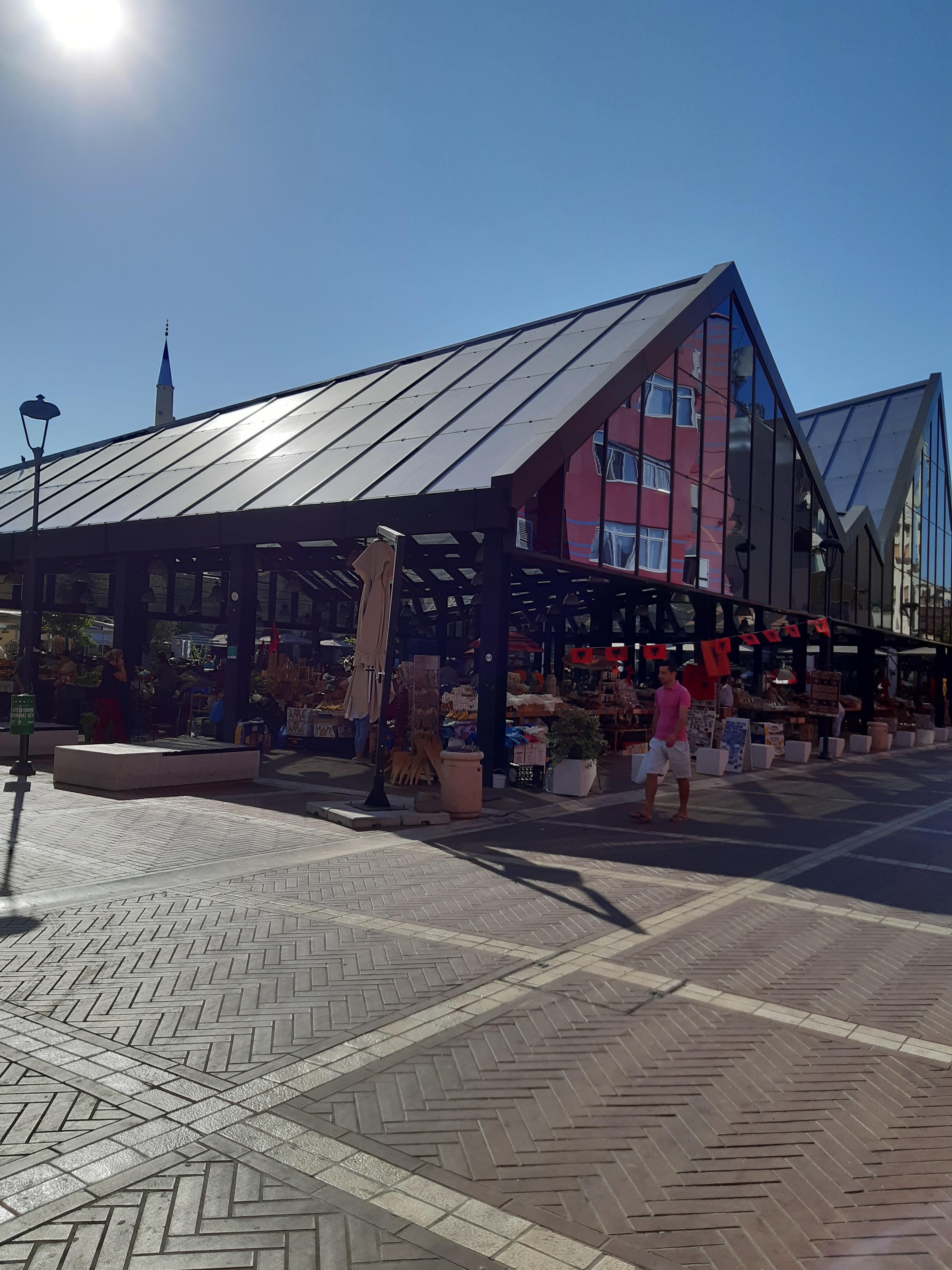
If there is a heaven of cherries than it must be in Albania. In June you find cherries in all the shops and in the markets everywhere. They come from the different regions of Albania, such as Dibra, Peshkopia, Kukes, Elbasan, Shkoder etc. They have different tastes and colours, so delicate and full of flavours! A heaven of cherries!

Happy June everyone! Gezuar qershorin muajin e qershijave!

Tirana tells stories: One day in the capital city of Albania

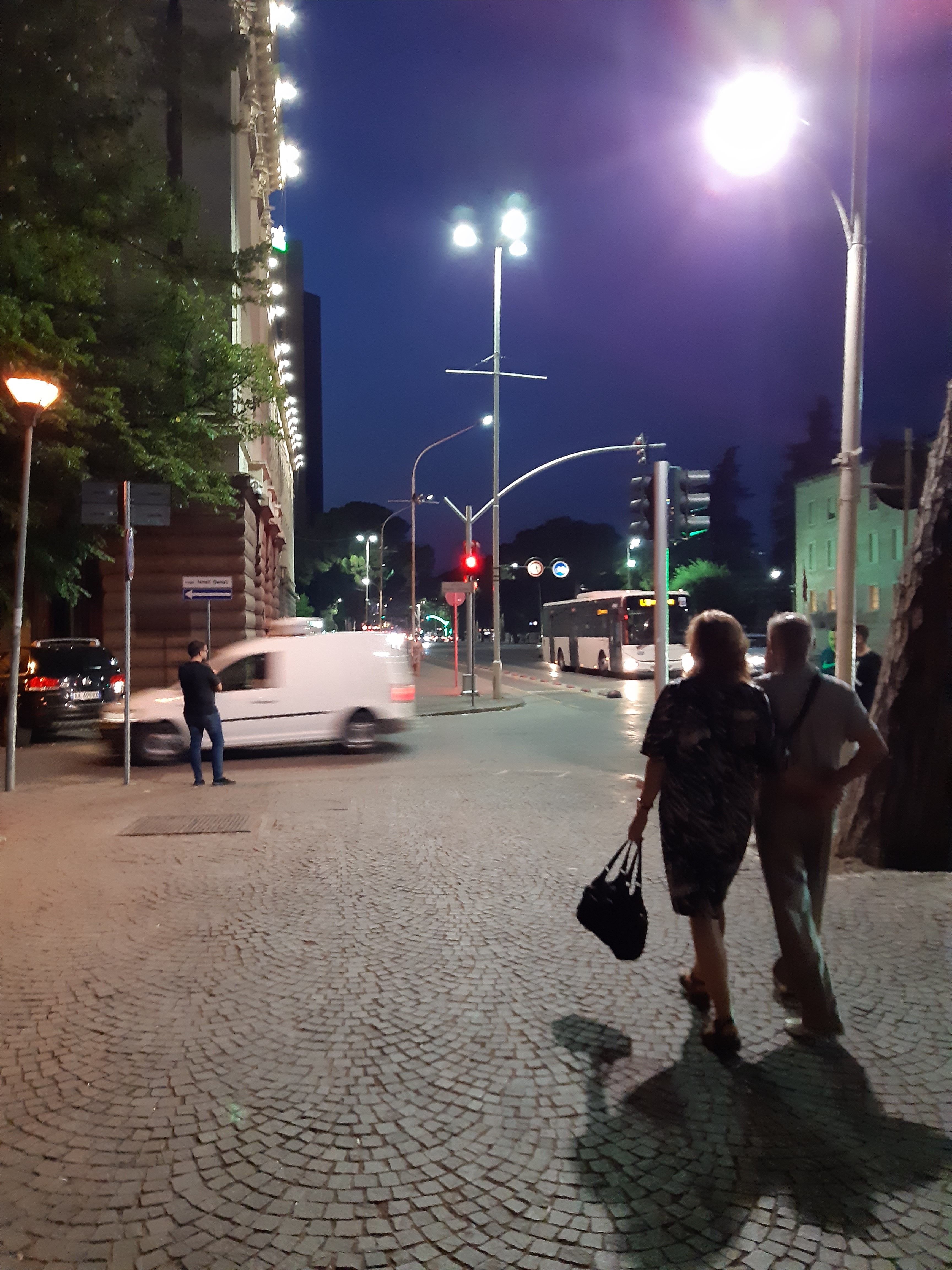
Mirëdita! Hello as they say in English! So you arrived in Tirana safe and sound and wondering what one must visit here in the city. Probably you are very curious to know what this city has to offer!

This selection of things to do and see in Tirana rounds up some of most diverse and inspiring places of the city providing insights into how this city is different and exceptional from the other European capitals. The capital city of Albania, the Rock Garden of Southeastern Europe as the country was once called by one of his prominent intellectual of the beginning of the last century, invites us to this journey through the city.

How does the Scanderbeg Square with its small mosque look like? Or how a bunker was turned into a museum of art to remind us the totalitarian regime? Take a walk by the pyramid and continue all the way to the boulevard. We went to these places accross Tirana and found inspirations that will enchant you.

The locations could hardly be more diverse nor could be the views. They show how the city lived in the past and how vibrant is today aspiring to be a western capital through its many restaurants and coffee places with an unique architectural mix of different styles. This selection exhibits the effects of an aesthetic evolution. It also shows the pace of modernity the city and its inhabitants are trying to catch.

If you are visiting the city, here are the things that you should not miss in Tirana:

  • Visit the Skanderbeg Square

The Skenderbeg Square is the main Square in Tirana, surrounded by a mix of Fascist Italian-style buildings, Soviet buildings, Ottoman mosques. The National Museum , the Opera building, the Ottoman time clock tower and the Et’hem beu Mosque are the main buildings on the square. The square is called after Gjergj Kastrioti, Skanderbeg, the national hero of Albanians. The Albanian nationalism is inspired by his existence. You can take a tour and visit each of them.

The National Historical Museum features a building of Soviet Aesthetic Architecture with in front a monumental mosaic inspired by socialist realism.  The work is supposed to reflect and promote the ideals of the socialist Albanian society representing their aspirations to Independence and Identity.

  • Visit the Bunkart

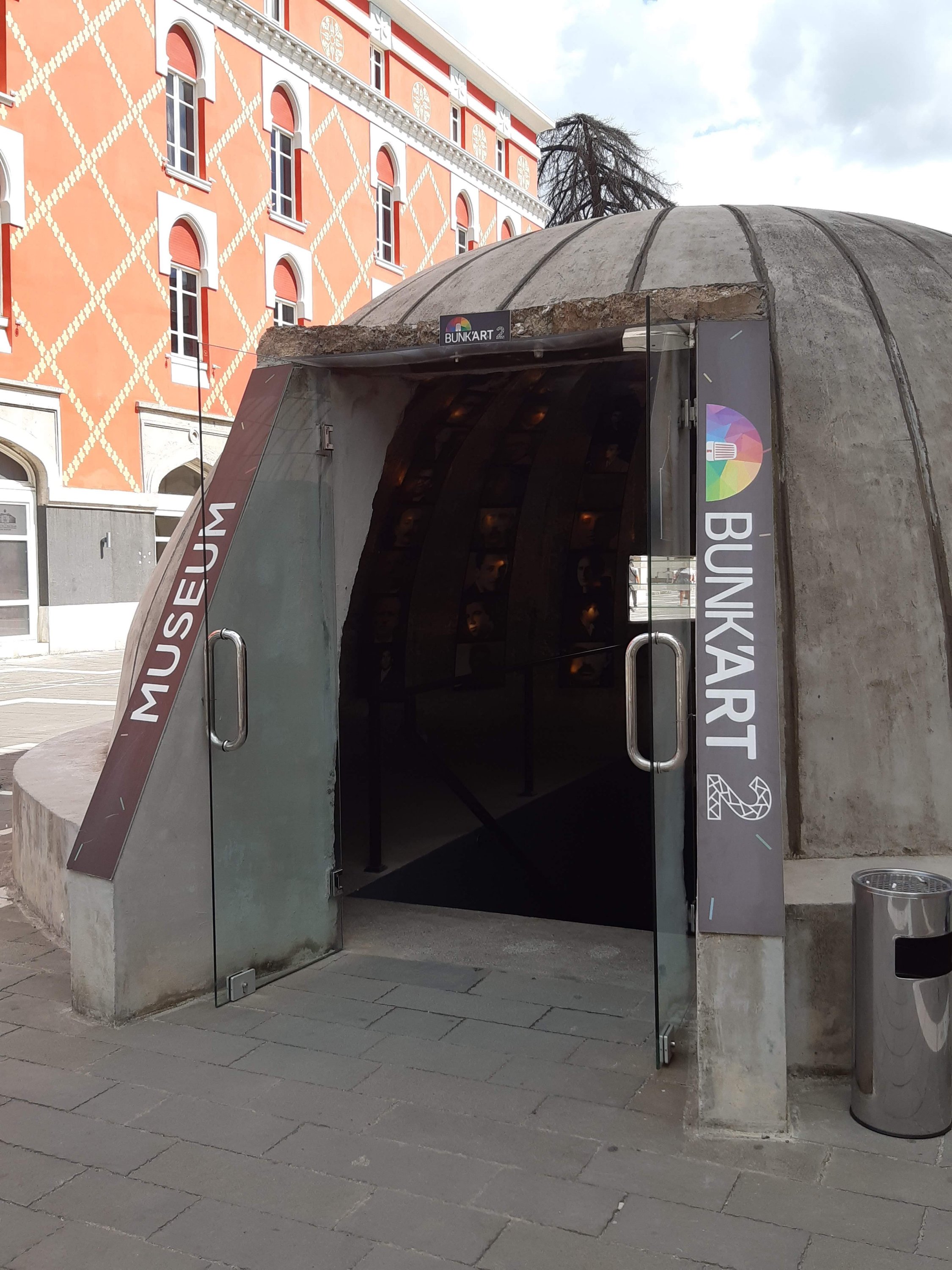
In a walking distance from the Skenderbeu Square is Bunkart (a literary device in which the words “bunker” and “art” are joined together). During the Communism it served as a Nuclear Shelter for the Minister of Interior. Today the bunker serves as a museum of memories with an inscription of Primo Levi, the Jewish holocaust survivor, written at the entrance of the excellent artistic installation : “All those that forget their past are condemned to relive it”. The Bunkart alerts us to the warning signs with its many objects, relicts of remembrance, photos of people that were prosecuted and documentaries evidencing the horrors of Communist era. The Passage 2 (the Shelter had 4 corridors) confronts you with the bitterness, sadness, fear, strange emotions when reading the texts and watching the pictures relating to the activities of the communist secret police “Sigurimi” with its “36 ways of torture” used during the investigative stages against the “enemies of the people”. It teaches us that we are the ones who “create the monsters, applaud them, follow them, put them on a piedestal and afterwards the monsters feel so powerful that they don’t want to leave us anymore”. It is interesting to note that the museum was full of foreign tourists and, at the time of my two-hours visit, no Albanian visitors could be seen. Are the Albanians still afraid of the spectres of the past!? Are they not ready to confront the remembrance of the time?. These inner questions arose during my visit.
A must see: entrance fee around 3.70 Euro per person.

  • Castle of Tirana

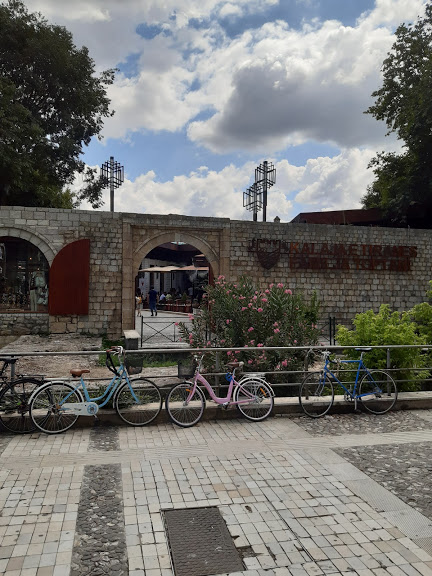
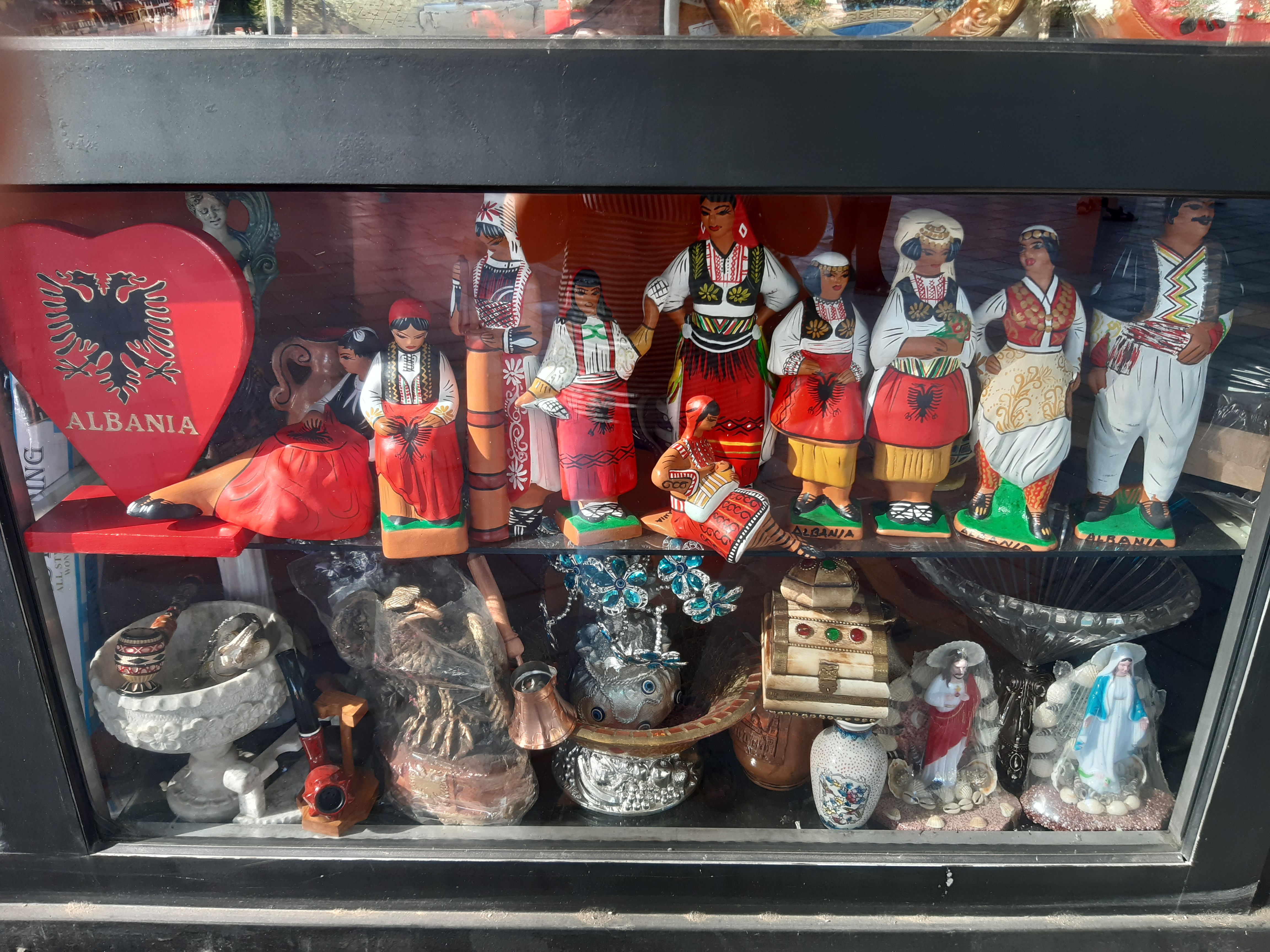
The Castle of Tirana is an old castle since the Byzantine times. It is located not far from the Skenderbeg’s square. Inside the walls of the castle are few modern restaurants, cafes and souvenir shops. It is a convenient place to go for a walk and enjoy a cup of coffee, ice cream, or the delicious dishes in the restaurants there. It is a very popular place for locals to hang out there too. In case you would like to buy a souvenir, something Authentic Albanian, in the Castle of Tirana you will find the best gift.

  • Take a walk by the Pyramid

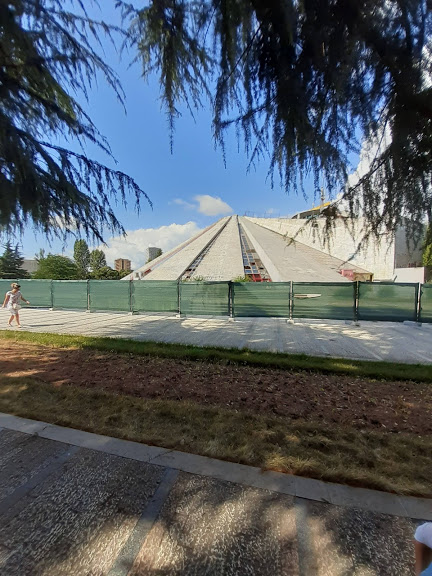
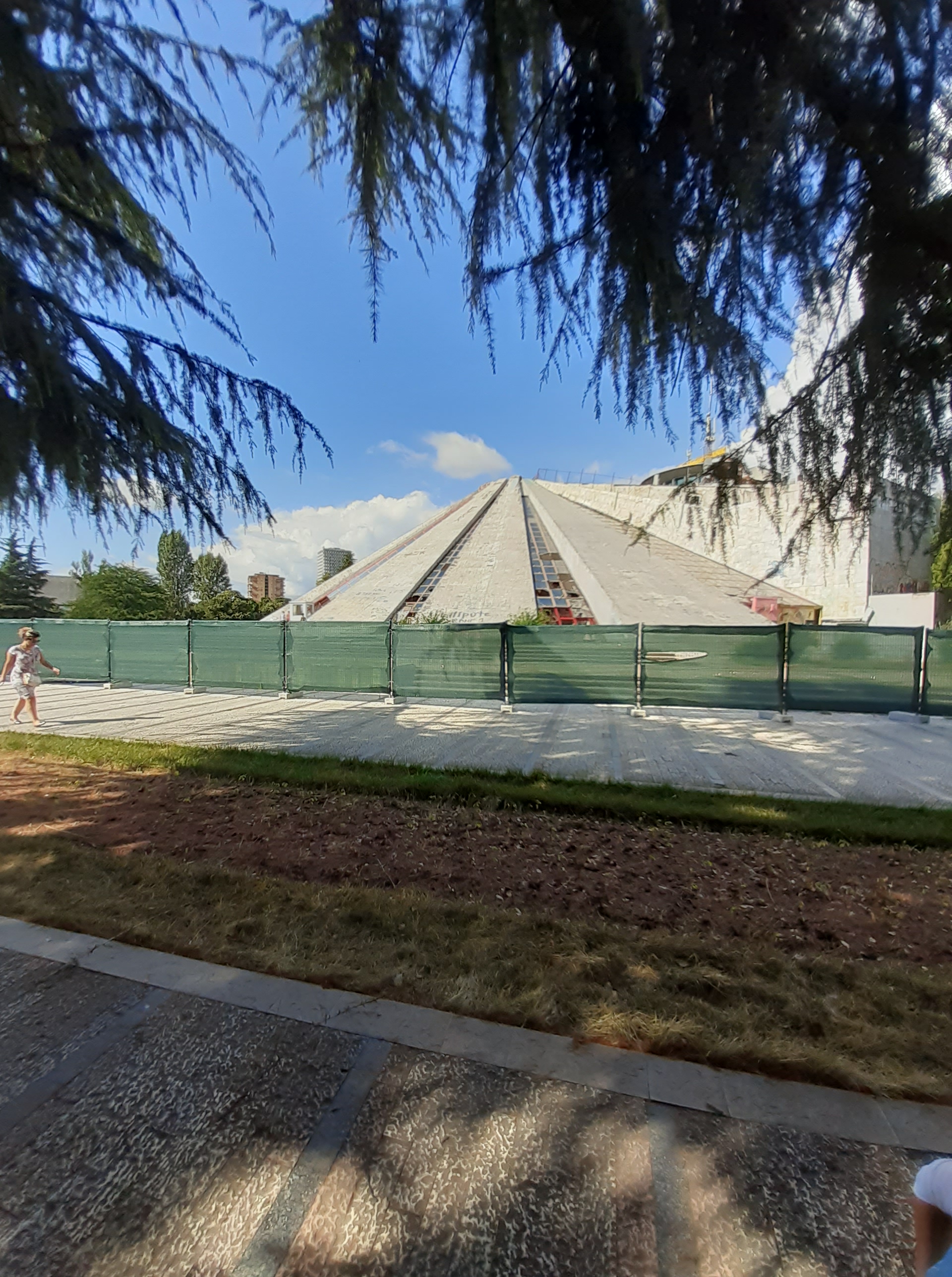
The Pyramid of Tirana planted in the centre of Tirana is an emblematic building-museum, a city landmark, that the communist dictator erected to his glory. After the fall of the regime, it closed to later house a base of the NATO, a nightclub and TV studios, reflecting somehow the cultural changes of a society in permanent search for itself, for money, for aesthetics. Although not very beatiful to many tastes, it is a top attraction for tourists who, together with city teenagers and lovers killing their time there, experience the climbing. It failed to be demolished by previous city authorities but saved by the inhabitants. It will experience a renaissance by becoming an information technology center in the Albanian capital that changes all the time.

To be visited before it gets architecturally transformed by a Dutch Architecture Company.

National Park of Divjaka

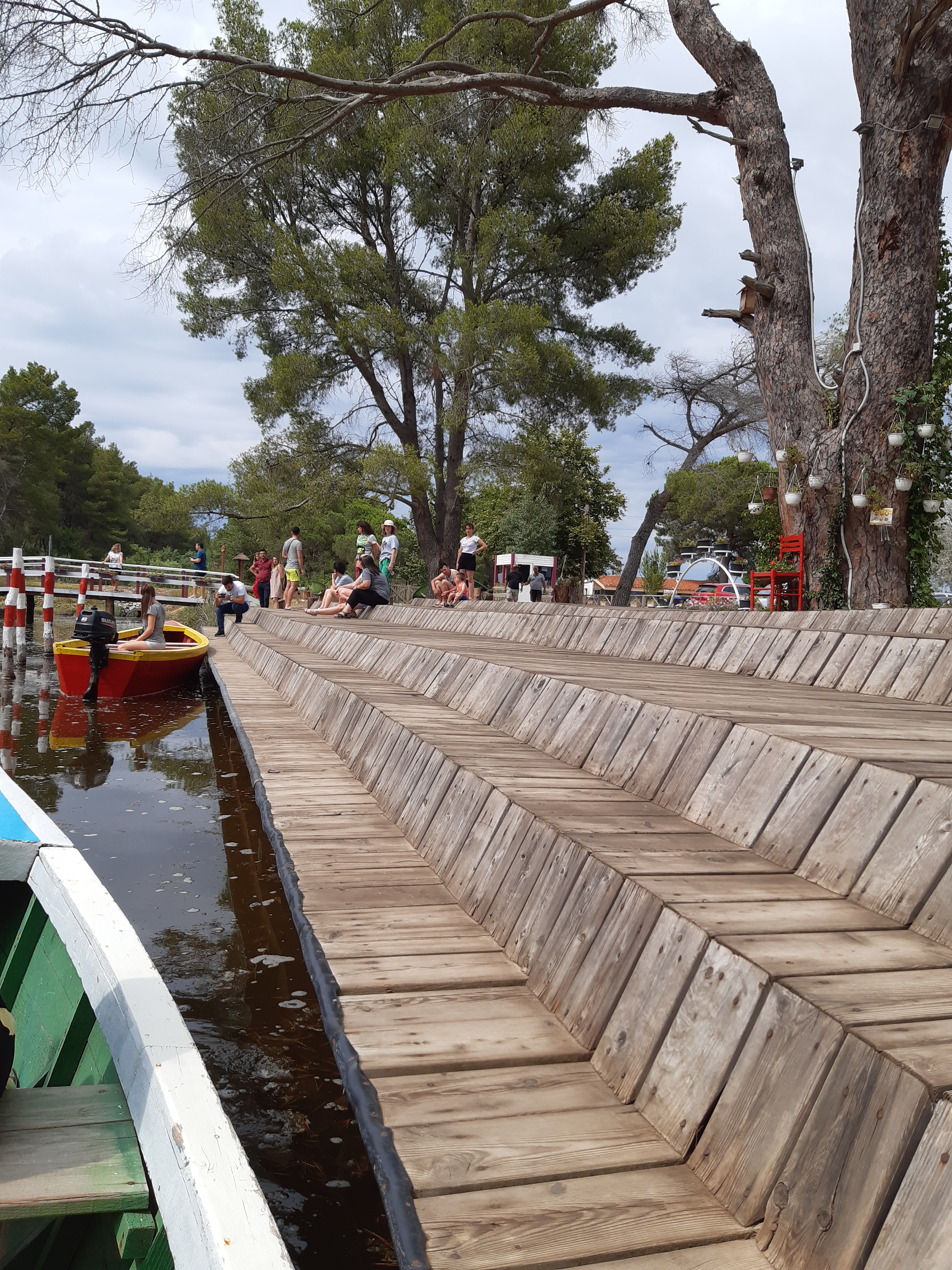
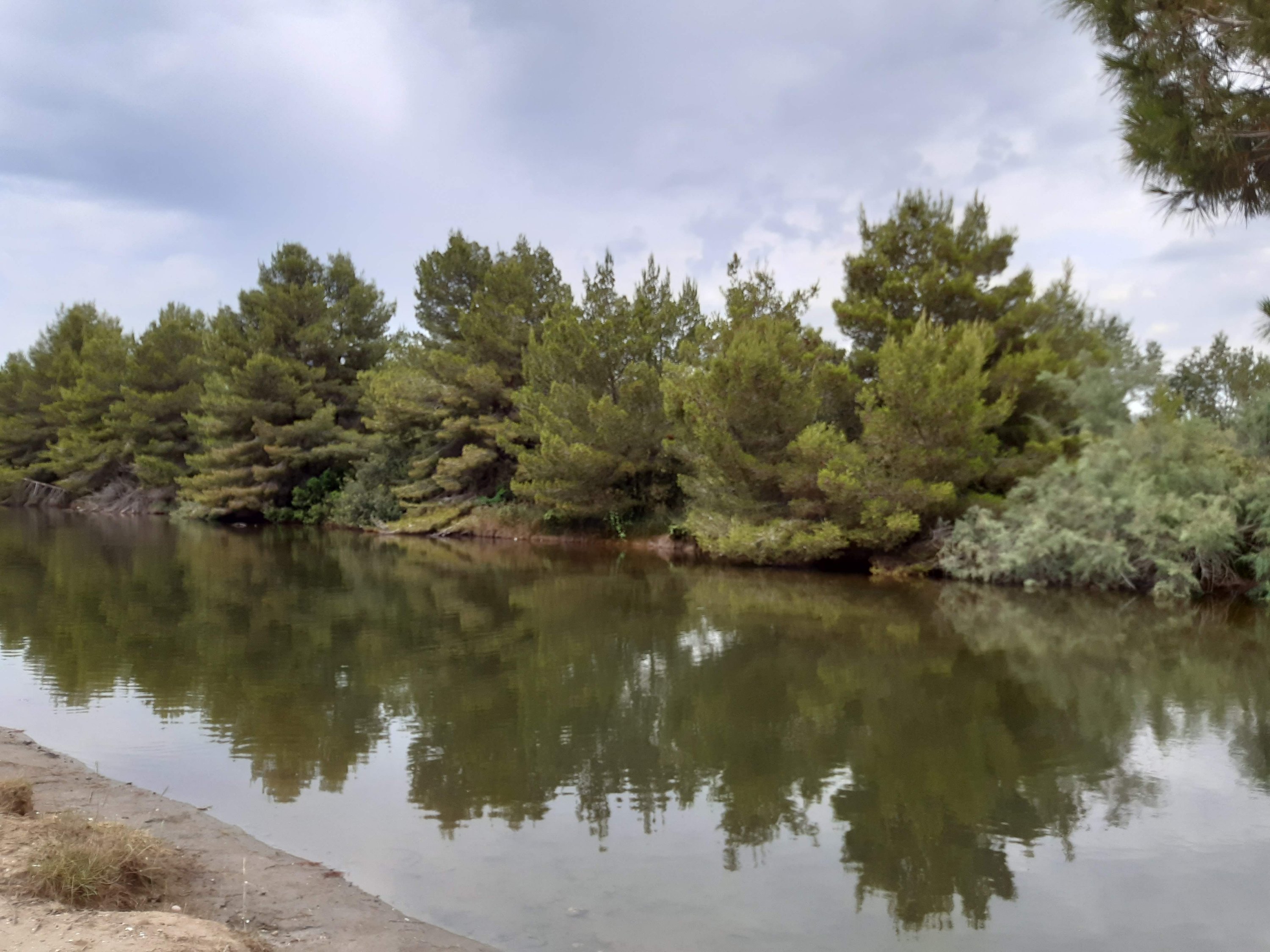
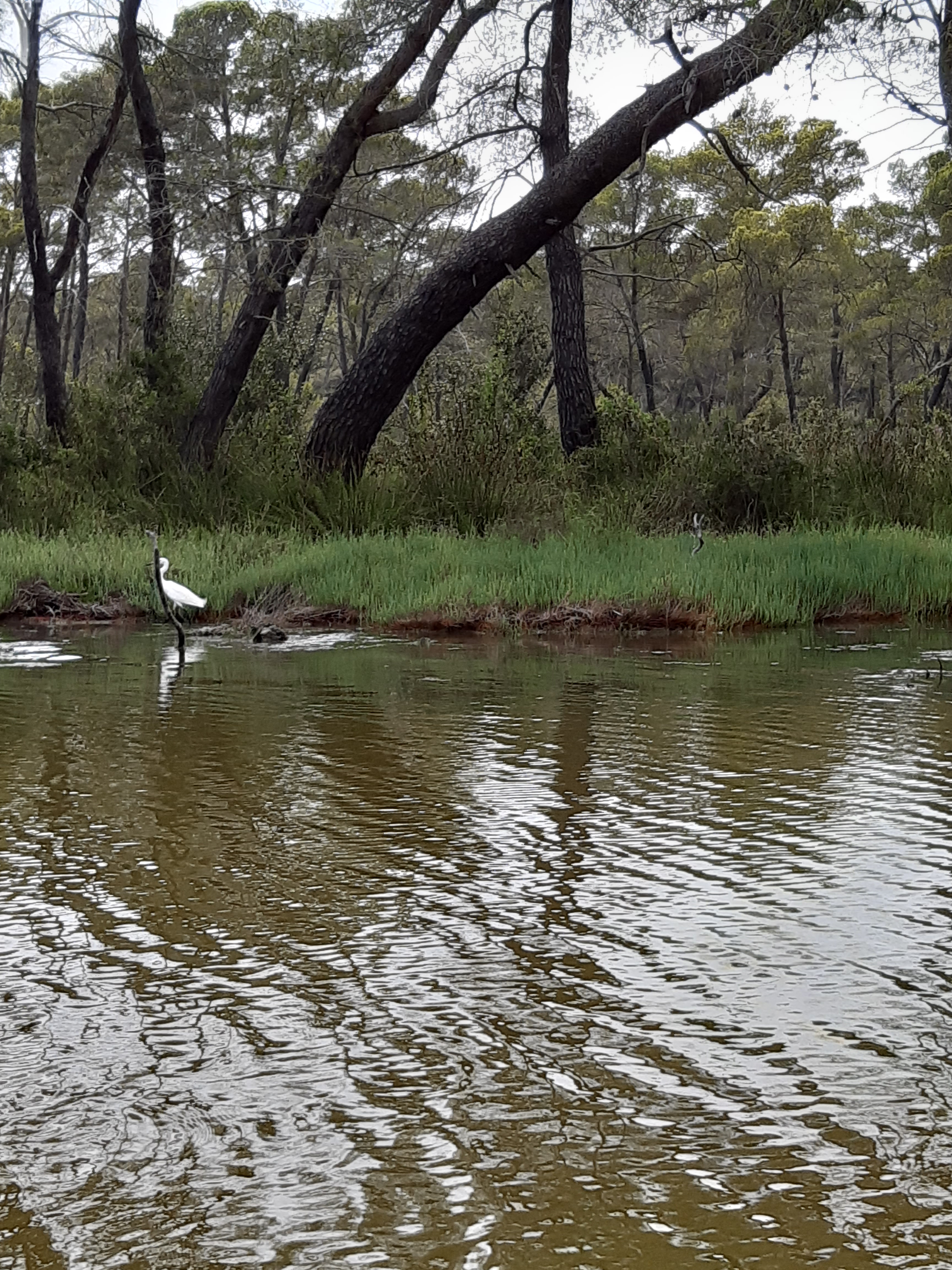
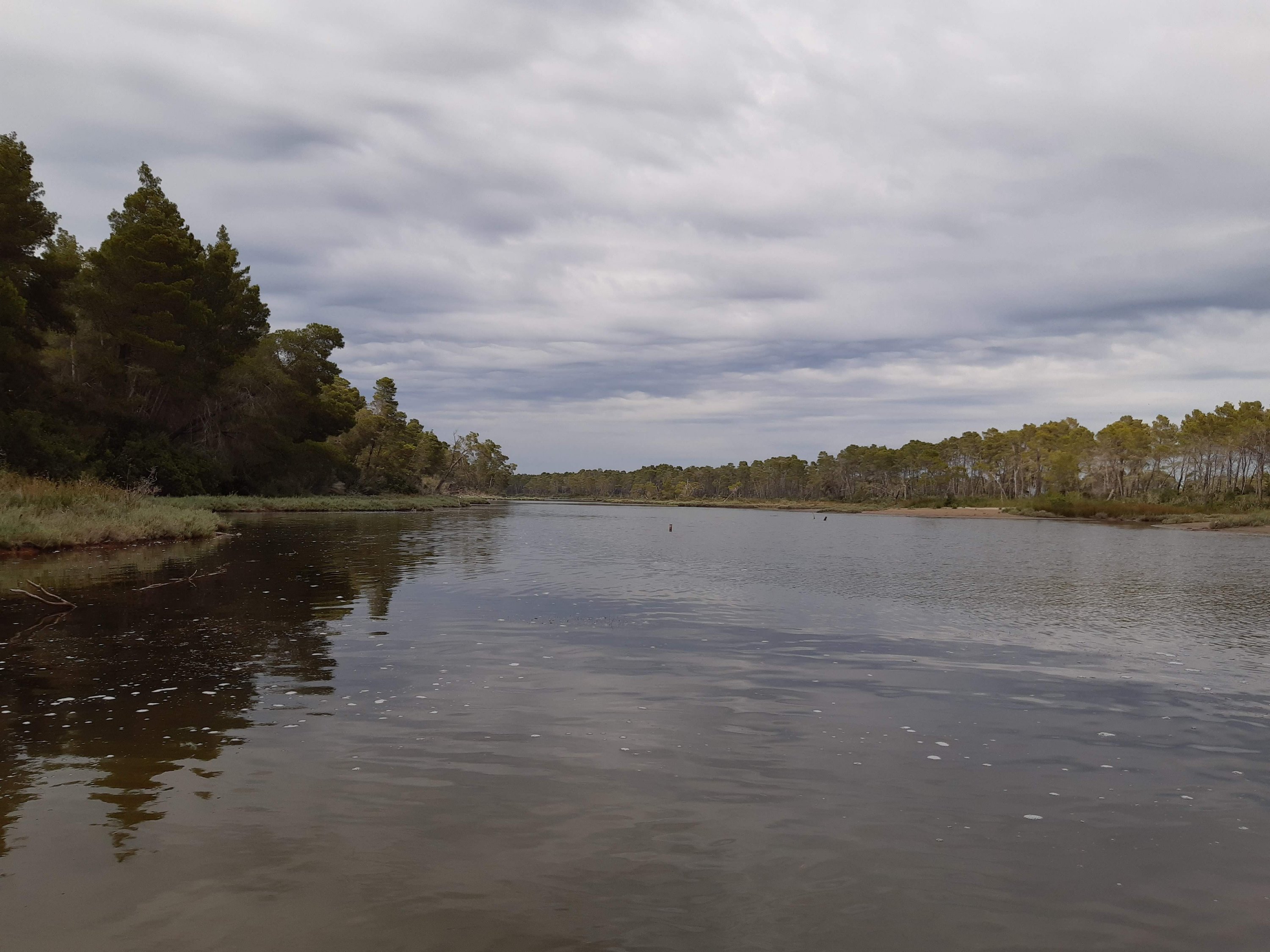
The National Park of Divjaka is located between the Fier and Durres County. It is a really nice park if you would like to experience something different in Albania. The Park is mostly known for the lagoons and there are many species of birds, such as pelican. Most of the visitors take the boat with the guide in search of seeing rear birds and enjoying the view. The journey with the boat lasts for one hour.

Thank you for reading my blog!

With love,

Arta 🦋